
Last updated November 21, 2026
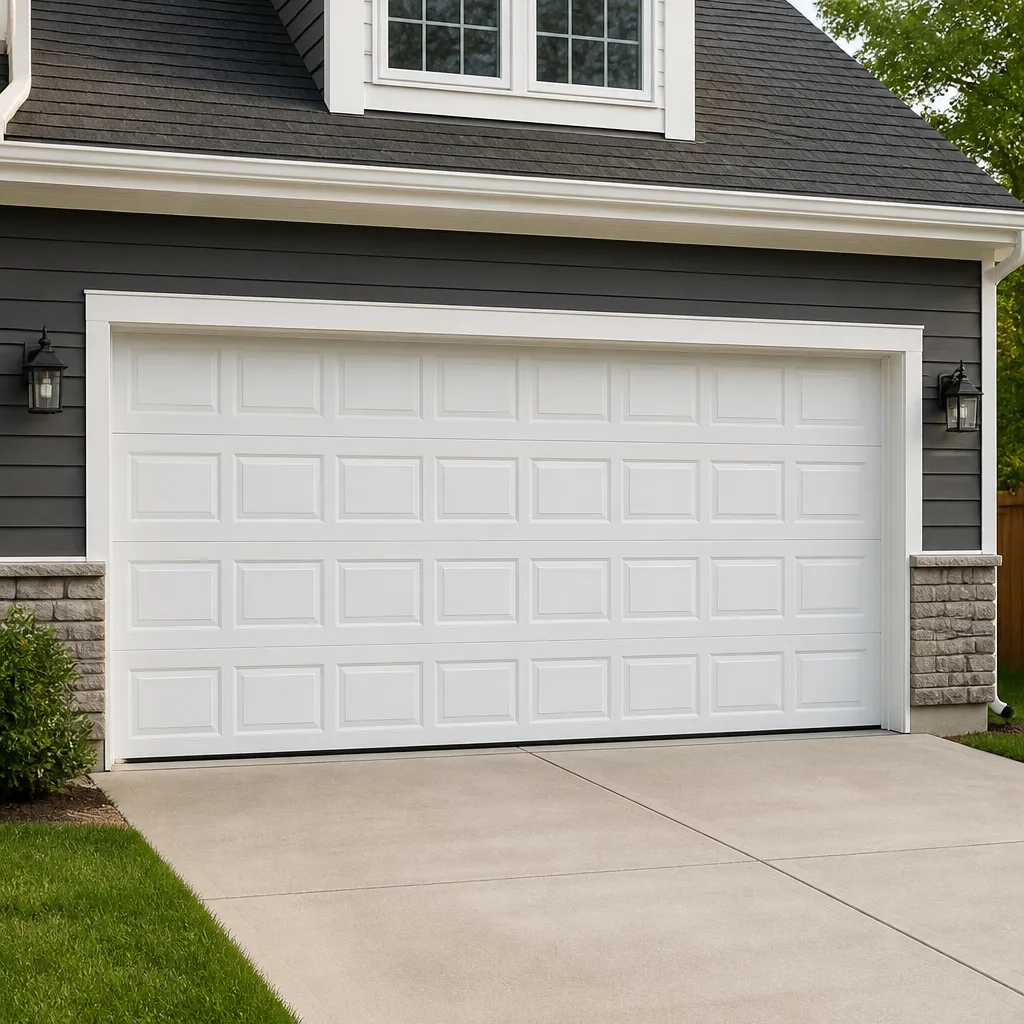 Raised-panel steel
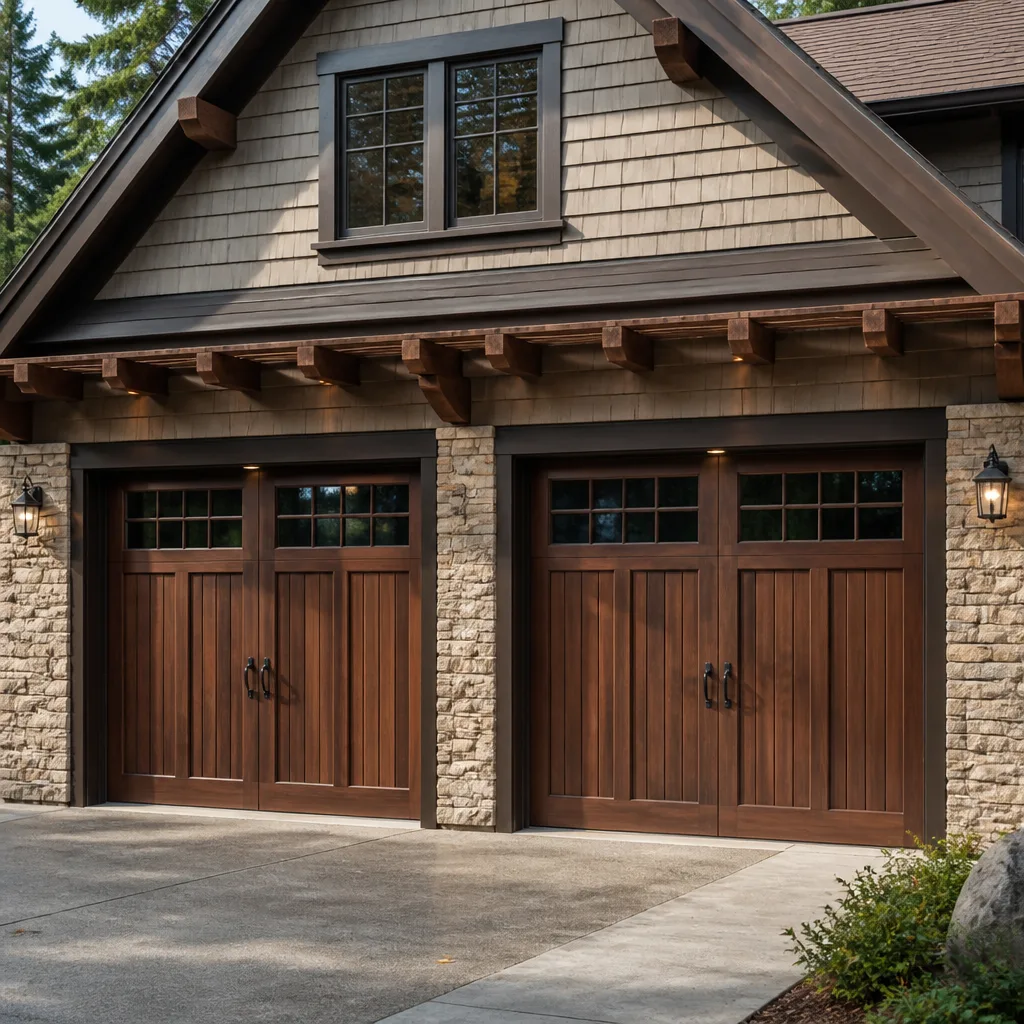 Carriage house
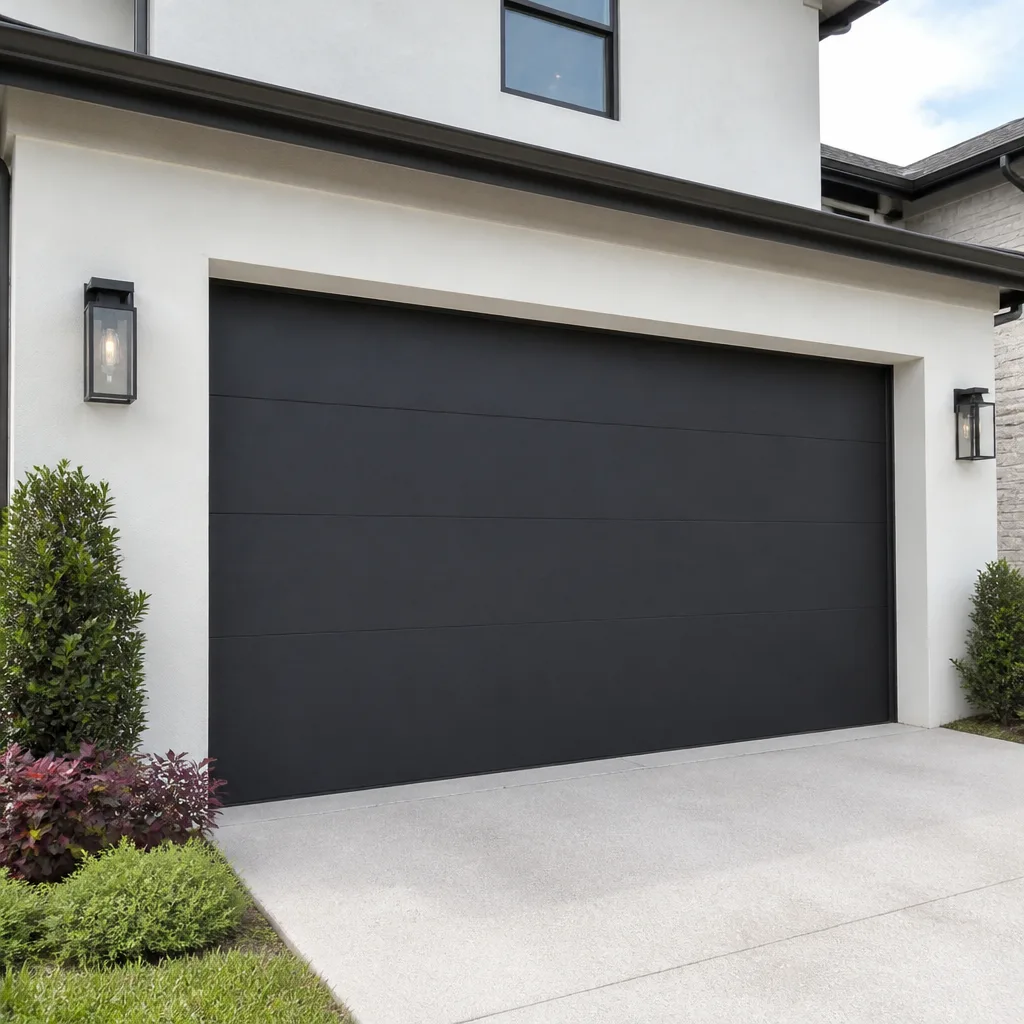 Modern flush
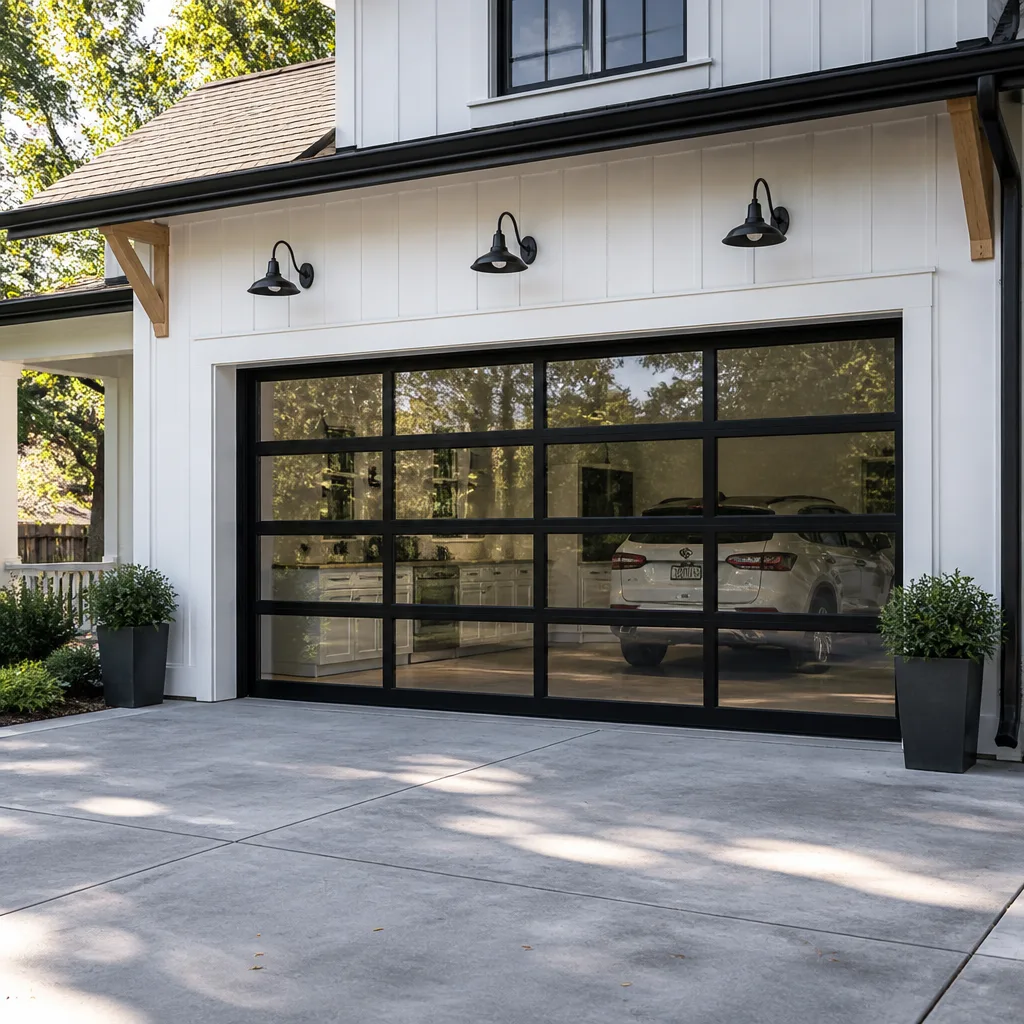 Full-view glass
 LiftMaster openers
 Chamberlain openers
Full 25-point door and opener safety check with every visit - springs, cables, rollers, tracks, and your LiftMaster or Chamberlain opener included
You get a price before we start. It does not change when the pro arrives.
Get your free estimateGarage Door Permits, Codes & Inspections in League City, TX: What You Need to Know
Two homeowners in League City can hire the same garage door contractor, replace the same model of door, and end up with completely different paperwork. One gets a permit and an inspection. The other gets a handshake. The reason isn’t the door or the contractor. It’s the address. League City straddles more than one county’s permitting authority, and which side of that boundary your house sits on changes what the city asks of you before a new door can legally go up. This guide walks through when a permit is required, how to find out which jurisdiction applies to your address, how Texas wind-load rules interact with city permitting, why HOA approval and a city permit are separate steps, and what really happens if an inspection fails.
Quick Answer
In League City, a full garage door replacement typically requires a permit, while routine repair and like-for-like part swaps usually don’t. Which office issues that permit depends on your address, because parts of the city sit under Galveston County jurisdiction and other parts fall under Harris County. The only way to know for sure is to look up your specific address with the city’s building department before any work begins. Get that answer first, then order the door.
Styles & brands we work with
- Raised-panel steel
- Carriage house
- Modern flush
- Full-view glass
- LiftMaster openers
- Chamberlain openers
Table of Contents
- Which County Has Jurisdiction Over Your League City Address?
- When Does a Garage Door Project Need a Permit in League City?
- Texas Wind-Load Requirements and What They Mean for Your Door
- HOA Approval vs. City Permit: Which Comes First?
- What Happens During a Garage Door Inspection?
- What Happens If an Inspection Fails, and Who Is Liable?
- The Paperwork That Protects You
- Questions to Ask Before You Hire Anyone
Which County Has Jurisdiction Over Your League City Address?
This is the question most homeowners never think to ask, and it’s the one that trips up permit applications more than anything else. League City isn’t neatly contained inside one county line. The city’s growth has pushed it across both Galveston County and Harris County, which means two different permitting authorities can apply depending on which part of town your home is in.
A neighborhood on one side of a boundary might route its building permits through one county’s offices, while a neighborhood a short drive away routes through another. The street names don’t tell you. ZIP codes alone can be misleading. What matters is the parcel and its designated jurisdictional authority.
Here’s how to find your answer, in order:
- Start with the city. Call the League City building department and give them your full street address. Ask directly: “Which jurisdiction issues the building permit for this address?” They deal with this split constantly and can point you to the right office.
- Check your county appraisal district record. Your property’s listing shows which county the parcel is recorded under. That’s a strong signal, though not always the final word on permitting authority.
- Look at your existing permit history. If your home has had previous work permitted, the record will show which office issued it. That’s a reliable precedent for your address.
- Confirm with the permitting office in writing. Before you or your contractor file anything, get the jurisdiction confirmed by the office that will actually review the application.
We’ve seen this split cause real delays when a contractor files with the wrong county and the application gets bounced. It’s a paperwork problem, not a structural one, but it still pushes your project back. Confirming jurisdiction at the start takes ten minutes and saves weeks.
When Does a Garage Door Project Need a Permit in League City?
The general rule in League City follows the pattern most Texas cities use: replacing the entire door assembly or changing the opening typically requires a permit, while repairing the existing door and its components usually doesn’t. The line between “repair” and “replacement” is where homeowners get confused, so let’s draw it clearly.
Projects that usually need a permit:
- Installing a new garage door where there wasn’t one before
- Replacing a full door and its track assembly
- Changing the size of the opening or the door’s configuration
- Converting a garage door opening to a different structure or vice versa
- Replacing a door with a different rated wind-load classification
Projects that usually don’t need a permit:
- Replacing a broken spring or a matched pair of springs
- Swapping out a damaged roller, hinge, or cable
- Repairing or replacing an opener motor or drive system
- Realigning tracks or adjusting the door’s balance
- Replacing a single damaged panel with an identical panel of the same specification
The word that matters in that second list is “usually.” Repair doesn’t automatically escape permitting if the scope creeps. If a technician discovers during a repair that the door needs full replacement, the job crosses from repair into replacement, and the permit requirement follows the new scope. A good contractor will stop and tell you when that happens rather than quietly doing the work and letting the paperwork catch up later.
If you’re not sure which side of the line your project falls on, call the city’s building department with a plain description of the work. “I’m replacing the whole door” and “I’m replacing a broken spring” are different conversations, and the department will tell you what each one needs. For repair work that doesn’t require a permit, our garage door repair page covers the scope we handle. If the job is specifically a snapped or tired torsion spring, garage door spring repair walks through that process in detail.
Texas Wind-Load Requirements and What They Mean for Your Door
Garage doors in this part of Texas are treated seriously as part of the building envelope because of wind. The Texas Department of Insurance regulates how residential wind coverage works in designated coastal territories, and Galveston County sits squarely in that territory. That regulatory climate shapes what builders and inspectors expect from a door’s wind-load rating.
Here’s the practical version for a homeowner:
- A garage door isn’t just an opening. It’s a large, flat surface that either holds up under wind pressure or fails.
- Doors sold with a rated wind-load classification are built and braced to meet a specific pressure threshold, and that rating is documented by the manufacturer.
- When you replace a door in a rating-sensitive jurisdiction, the new door generally needs to match or exceed the required rating for the opening.
- Your insurance carrier may care about this rating. It’s worth asking them whether they need documentation, and what form they want it in.
This is one area where buying purely on looks is a mistake. A door with the right wind-load rating looks identical to one without it, and the only difference is on the label and the paperwork. If your project requires a rated door, the manufacturer’s documentation becomes part of your permit packet.
We service doors from Clopay and Amarr, among others, and both manufacturers publish wind-load ratings for their product lines. When we’re quoting a replacement in League City, we check the rating as part of the estimate rather than after the paperwork starts. That way there are no surprises when the door needs to match a specific specification.
Do I need TWIA to sign off on my door?
No. TWIA and Texas Department of Insurance rules govern insurance coverage and how wind claims are handled, not the permitting of your garage door. Your city and county permitting offices handle the actual permit and inspection. The overlap is in documentation: your insurer may want to see proof that your door meets a wind-load rating, which is why you keep the manufacturer’s paperwork on file.
HOA Approval vs. City Permit: Which Comes First?
Get your HOA approval before you apply for the permit. That ordering matters, and here’s why. An HOA can reject a door style, color, or material for aesthetic reasons even when the door perfectly meets city code. If you or your contractor pull a permit and order the door, then the HOA says no, you’re stuck with a door you can’t install and a permit tied to a project that isn’t happening.
Here’s the sequence that works:
- Read your HOA’s architectural rules. Most have a design review process and a form to submit. Ask for it explicitly if you can’t find it.
- Get HOA approval for the specific door. Submit the model, color, and material details. Get the approval in writing.
- Confirm your permitting jurisdiction. Use the steps in the first section above.
- Apply for the permit with the approved door details. Now the permit and the HOA approval are aligned.
- Order the door once both are secured. Not before.
HOAs in League City communities vary widely in how strict they are and how long the review takes. Some respond quickly. Some take considerably longer. Knowing that timeline lets you plan the install around it instead of the other way round. A door that gets installed six weeks late because the HOA form sat in a drawer is an avoidable problem.
The two requirements aren’t redundant. The city is checking that the door is structurally sound and legal for the opening. The HOA is checking that it doesn’t violate the community’s design standards. You need both satisfied, and neither one substitutes for the other. Brand familiarity helps here too: if your HOA specifies a particular look and you’re considering a Wayne Dalton or a Craftsman-compatible system, knowing the exact model makes the approval process faster and clearer.
What Happens During a Garage Door Inspection?
A garage door inspection isn’t the same as a service call. The inspector is verifying that the installed door matches what was permitted and that it functions safely. The inspection is about compliance and safety, not about how smoothly the hinges glide.
What the inspector typically looks at:
- Door matches the permit. Model, size, and wind-load rating should match the paperwork.
- Mounting and fasteners. The door and track are securely attached to the framing.
- Spring and cable tension. The torsion or extension springs are installed correctly and the cables are in good condition.
- Safety features. The opener’s auto-reverse function is working. If the door has photoelectric sensors, they should be in place and functional.
- Balance and travel. The door opens and closes smoothly without binding, and it stays in position when stopped halfway.
- Manual release. The emergency release works as it should.
These checks happen because garage doors are heavy, high-tension systems, and a door that’s badly mounted or mis-tensioned can injure someone. The springs alone carry enough stored force to cause serious injury if a homeowner tries to adjust them. That’s why our technicians treat spring work as a separate discipline, and why no inspection or repair conversation should end with “you could probably just tighten it yourself.”
For the inspection to pass, the work needs to be done right the first time. We work with doors from Clopay, Amarr, Wayne Dalton, and other major manufacturers, and our technicians are trained to the specific installation requirements of each. The inspection isn’t a hurdle to get over; it’s a sanity check on the whole installation.
Is the homeowner present for the inspection?
Usually the inspector works from the exterior and garage interior and doesn’t require a long conversation with you. Being reachable by phone while the inspection happens is helpful in case the inspector has a question. Beyond that, your contractor typically coordinates the inspection scheduling. Ask your contractor who’s handling it, so nobody assumes the other party is taking care of it.
What Happens If an Inspection Fails, and Who Is Liable?
An inspection failure doesn’t usually mean the door is unsafe. Most failures are paperwork and installation-detail issues: the door doesn’t match the permit specs, a safety sensor isn’t working, or the mounting doesn’t meet the specified requirement. The failure notice tells you what needs to be corrected, and the work gets corrected and re-inspected.
The practical question is who pays for the correction. The answer is usually determined by the contract you signed.
- If the contractor installed the wrong door or failed to install a required safety feature, the contractor corrects it. That’s on them, not you.
- If the door you chose doesn’t meet the wind-load rating because you specified it and no one checked, responsibility gets murkier and depends on what your contract says about who was responsible for compliance.
- If the failure is a documentation issue (the manufacturer’s spec sheet wasn’t submitted), that’s typically corrected with paperwork and no physical work.
- If you did the install yourself and it fails, the correction is your responsibility.
The way to protect yourself is written into the contract: who is responsible for obtaining the permit, who is responsible for scheduling the inspection, and who covers corrections if the work doesn’t pass. Get those answers in writing before the door is ordered. A written estimate is the place these details belong. If a contractor won’t put it in writing, that’s a sign to keep looking.
The Paperwork That Protects You
Homeowners tend to treat permits and inspections as bureaucracy. They’re actually protection. A permitted and inspected door replacement is documented, and that documentation matters later, whether you’re selling the house, filing an insurance claim, or proving the work was done to code.
Keep these in one folder:
- The permit application and the issued permit number
- The HOA approval letter, if applicable
- The manufacturer’s wind-load rating documentation for the installed door
- The inspection sign-off or certificate
- The written estimate and the invoice, showing what work was done
- The warranty paperwork from both the manufacturer and the installer
If you sell the home, a buyer’s inspector will look at the garage door. Having a clean paper trail for the door’s replacement, with a matching permit and inspection, is a straightforward answer to a question that otherwise lingers. It also protects you if your insurer asks about the door’s wind-load rating. A single file folder handles all of that.
Questions to Ask Before You Hire Anyone
The quality of the answers matters more than the questions. Any contractor who’s done permitted work in League City will answer these without hesitation.
- “Which jurisdiction will you file the permit with for my address?” If they don’t ask for your address first, they don’t know the area well enough.
- “Is the door you’re quoting rated for the wind-load requirement at my property?” The answer should include a specific rating, not a vague “it meets code.”
- “Who schedules the inspection and who handles any correction if it fails?” You want a clear name and a clear description of cost responsibility.
- “Will you put all of this in writing on the estimate?” The permit responsibility, inspection responsibility, and correction policy all belong on the estimate.
- “Are your technicians trained on my door and opener brand?” Specific brand experience is different from general experience. Ask about their familiarity with the specific hardware at your house.
Ask those five questions and you’ll learn more than a page of marketing copy could tell you. The answers reveal who knows the jurisdiction split, who’s worked through the wind-load requirements, and who has actually pulled permits for garage doors in League City.
We handle replacement and installation projects across League City, and our technicians are trained on eight major brands: LiftMaster, Chamberlain, Genie, Clopay, Amarr, Wayne Dalton, Craftsman, and Raynor. We work with your insurer where coverage is relevant. When you read a garage door opener repair quote or a new-door estimate from us, it’s priced per job and set in writing before any work begins.
Common Mistakes to Avoid
- Past permit history isn’t a substitute for confirming jurisdiction. A permit issued in League City under one county’s office doesn’t mean the same office handles your address. Check each time, especially if you’re comparing neighboring homes.
- Order the door before getting HOA approval. An HOA rejection after the door is ordered leaves you with a door you can’t install and a permit you can’t use. Approval comes first.
- Treat “repair” and “replacement” as interchangeable. The permit requirement turns on scope, not on what you call it. A repair that expands into a replacement crosses a threshold you have to honor.
- Ignore the wind-load rating because the door looks the same. The right rating and the wrong rating are visually indistinguishable. The difference shows up in the paperwork and, potentially, in insurance. Check the rating as part of the purchase.
- Assume the contractor is handling the permit because they’re handling the install. Sometimes they are, sometimes they aren’t. Get it explicit in writing, including who schedules the inspection.
- Dismiss a failed inspection as the city being difficult. Most failures are correctable details, and an inspector’s note tells you exactly what needs fixing. Treat it as a punch list, not a verdict.
- Choose a contractor who doesn’t recognize your opener brand. Garage door work spans the mechanical door system and the electronic opener system, and they’re different disciplines. An installer who knows Clopay doors may still be guessing at a LiftMaster opener. Ask about both.
See the difference
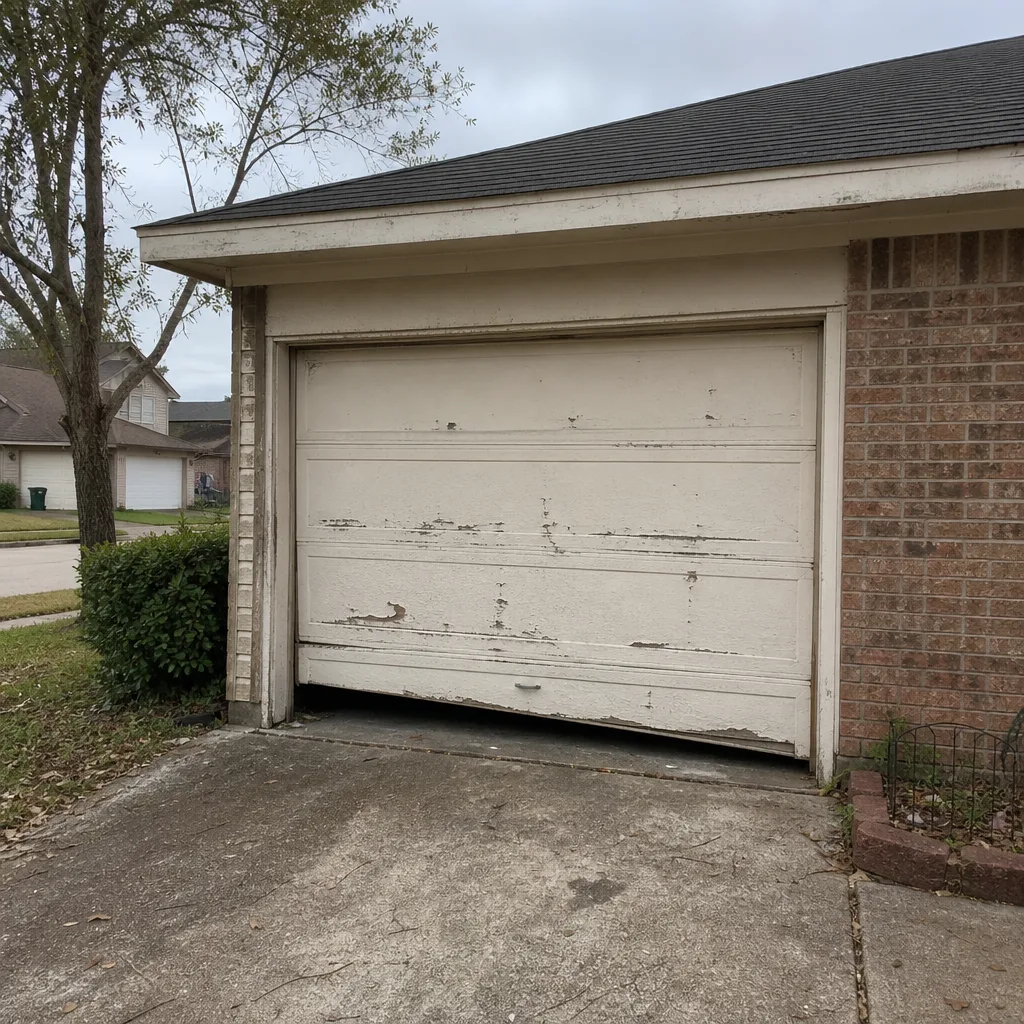 Before
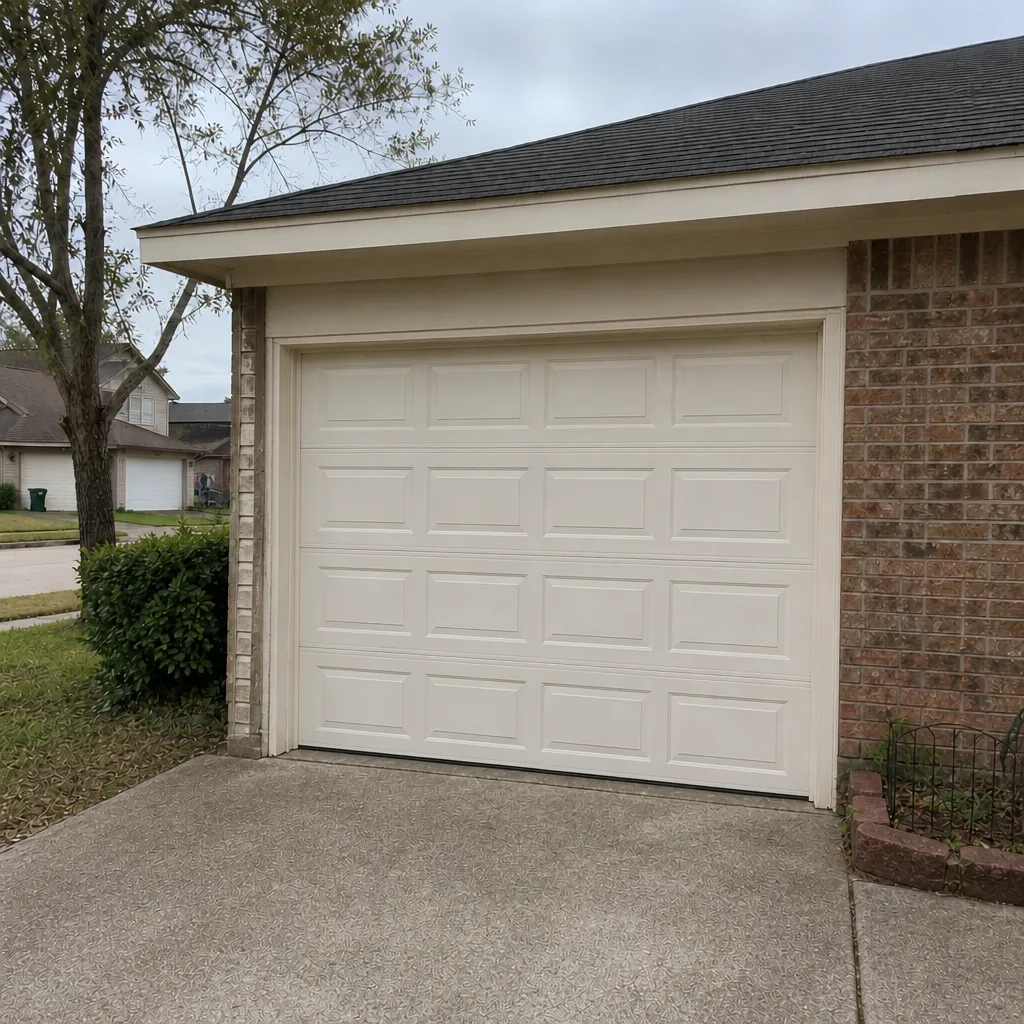 After
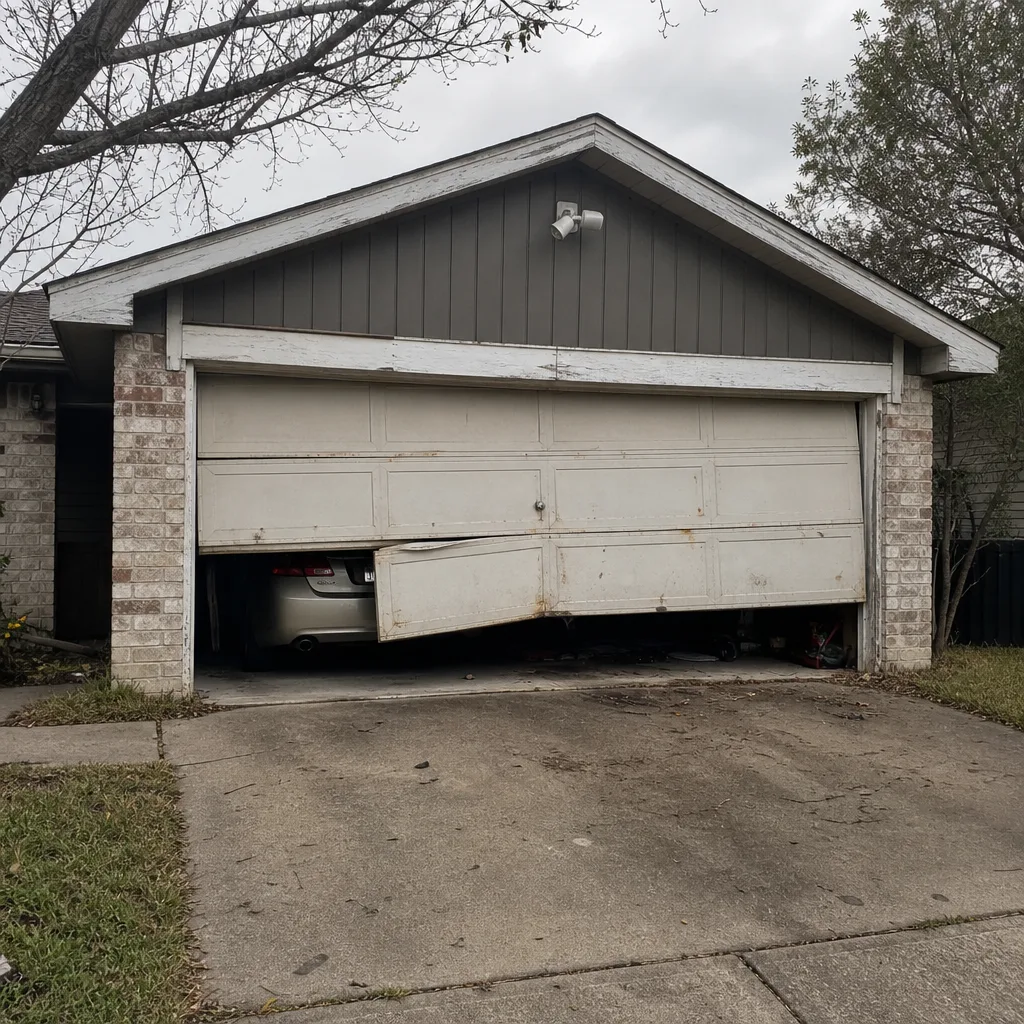 Before
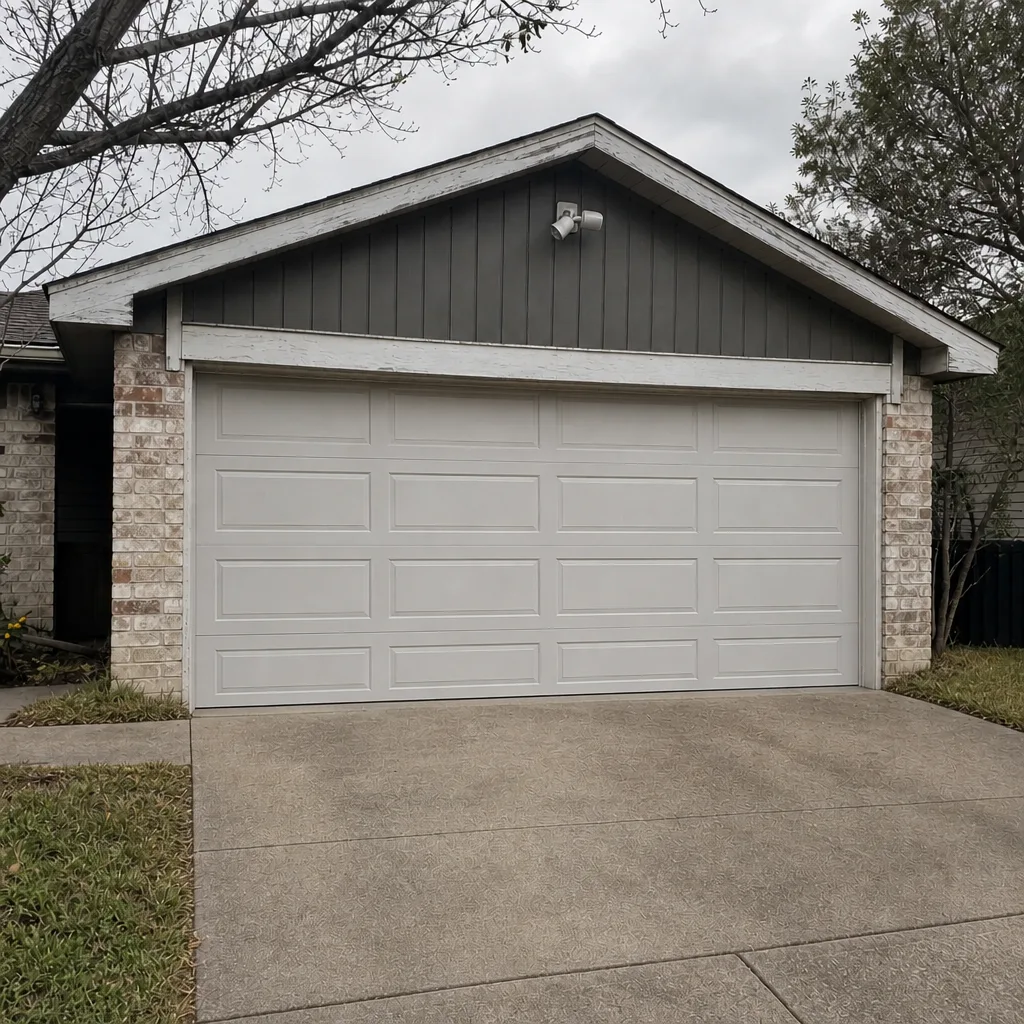 After
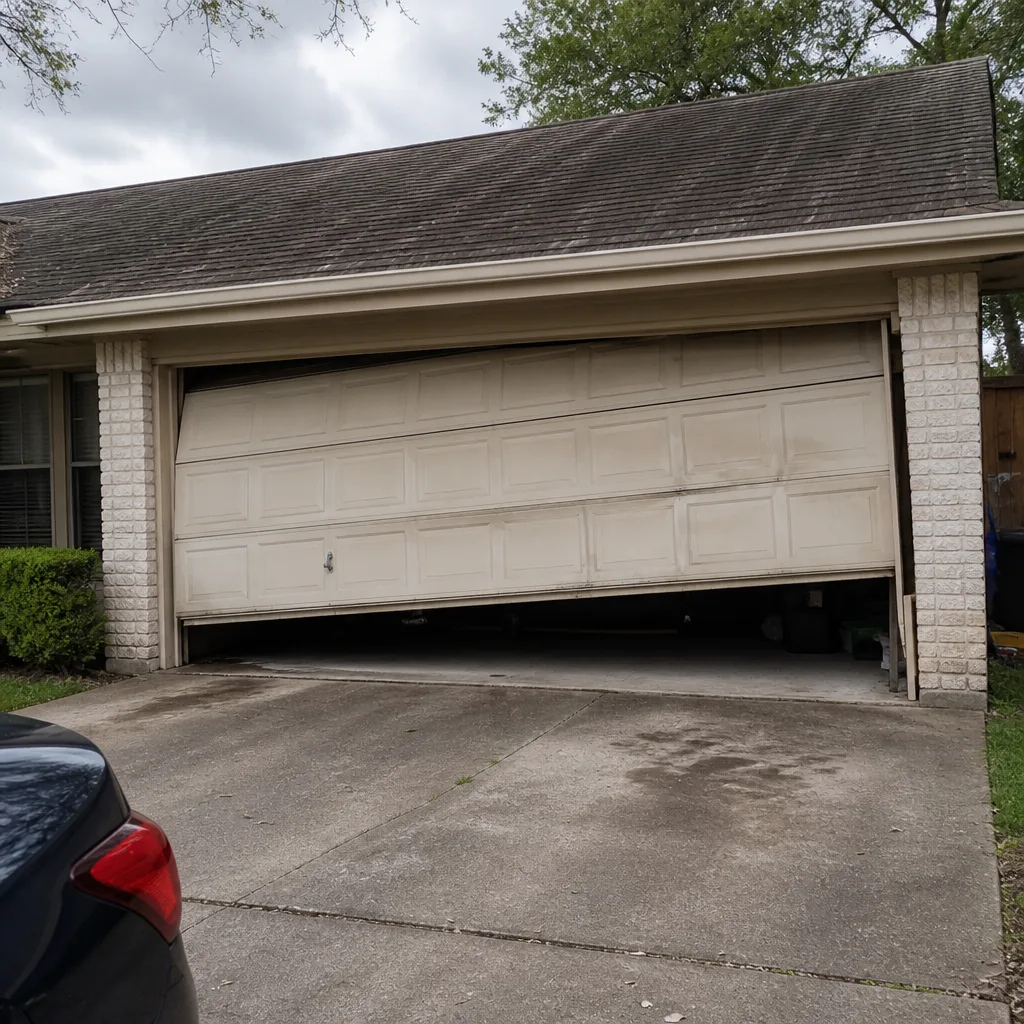 Before
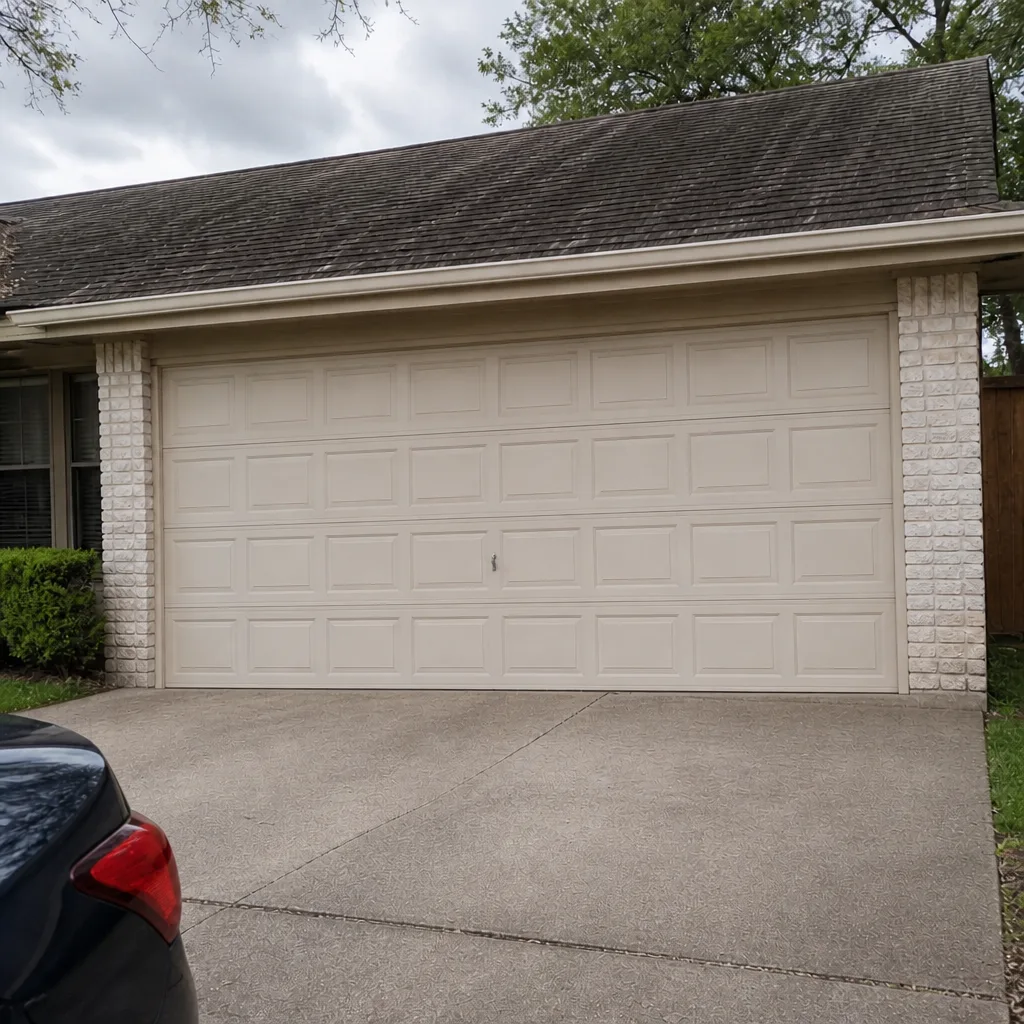 After
When to Call a Professional
Some garage door work is safe to think through on your own. Most of it isn’t. The springs, the cables, and the electrical connections are the parts where mistakes get people hurt, and the door’s weight means a poorly mounted replacement can fail dangerously. Call a professional when your door needs a new spring, when a cable has snapped, when the door’s tracks have pulled loose, or when the opener is unresponsive in a way you can’t diagnose from the safety of the wall button. Call us before you file for a permit if you’re unsure which jurisdiction applies, or before you buy a door if you need the wind-load rating checked against your property’s requirement. League City Garage Door Repair Pros offers free estimates in League City. Call (866) 651-6896. We answer 24/7. Fast dispatch from 7am to 7pm, Sunday through Friday, and the local technician who comes out is licensed and insured as the state requires. The price is quoted and agreed before any work starts. Our technicians have up to 15 years of experience, which is why a call usually ends with a clear answer rather than another appointment.
Frequently Asked Questions
In most cases, yes. A full garage door replacement generally requires a permit in League City, while repairs to an existing door typically don’t. Which office issues the permit depends on whether your address is under Galveston County or Harris County jurisdiction, so call the city’s building department with your address before filing anything. Call (866) 651-6896 if you’d like us to check the details with you first. Estimates are free.
Call the League City building department, give them your full street address, and ask directly which jurisdiction issues the building permit for that parcel. You can also check your county appraisal district record and look at any past permits on the home. Confirm the answer with the issuing office in writing before anyone applies, because filing with the wrong county pushes your project back. Call (866) 651-6896 if you want help figuring out where to start.
You usually need both, and the HOA approval should come first. The HOA rules on the door’s look and material; the city rules on its structural and safety compliance. If you pull a permit and order the door, then get rejected by the HOA, you’re stuck with a door you can’t install. Get the HOA sign-off in writing, then apply for the permit with those specific door details. Call (866) 651-6896 to talk through a replacement scope before you start.
Garage doors in coastal Texas are treated as part of the building envelope, and many replacements need a door with a specific wind-load rating documented by the manufacturer. The Texas Department of Insurance governs wind coverage in designated territories, and Galveston County is in that territory, so the rating matters both for permitting and for insurance. Ask the city’s building department what rating applies to your opening, and ask your insurer what documentation they want on file. Call (866) 651-6896 for an estimate that includes the rating check.
The contract you signed determines who pays. If the contractor installed the wrong door or skipped a required safety feature, correcting it is on the contractor. If the issue is the door you specified or paperwork that wasn’t submitted, responsibility depends on what the contract says about permit and compliance duties. Put those details in writing before the door is ordered. The written estimate is the place to settle it. Call (866) 651-6896 for a free estimate that spells out who does what.
Yes, a homeowner can typically apply for the permit and coordinate the inspection themselves. It’s more work, and you’ll need to make sure the door documentation, the wind-load rating, and the installation all meet the requirements when the inspector arrives. Most homeowners let the contractor handle it and never think about it again. If you’d rather not manage it, ask your contractor to do it in writing. Call (866) 651-6896 for a free estimate.
The Bottom Line
The single most important step in this whole process is confirming your permitting jurisdiction before anything else happens. League City straddles Galveston County and Harris County, and that line changes which office reviews your permit. Get that answer first. Then get your HOA approval in writing, order the door with the right wind-load rating, and make sure the estimate spells out who handles the permit, who schedules the inspection, and who covers corrections. Spring and cable work always belongs with a trained professional. Everything else is a matter of getting the paperwork in order and hiring a contractor who knows the area’s specific requirements. That way there are no surprises at inspection time.
Ready to schedule a service or get a free estimate? Call League City Garage Door Repair Pros at (866) 651-6896. We answer 24/7. Fast dispatch from 7am to 7pm, Sunday through Friday. Free estimates, upfront pricing, and satisfaction guaranteed. We’d rather talk through your project than have you guess at a jurisdiction.
Written by the team at League City Garage Door Repair Pros.