
Last updated November 21, 2026
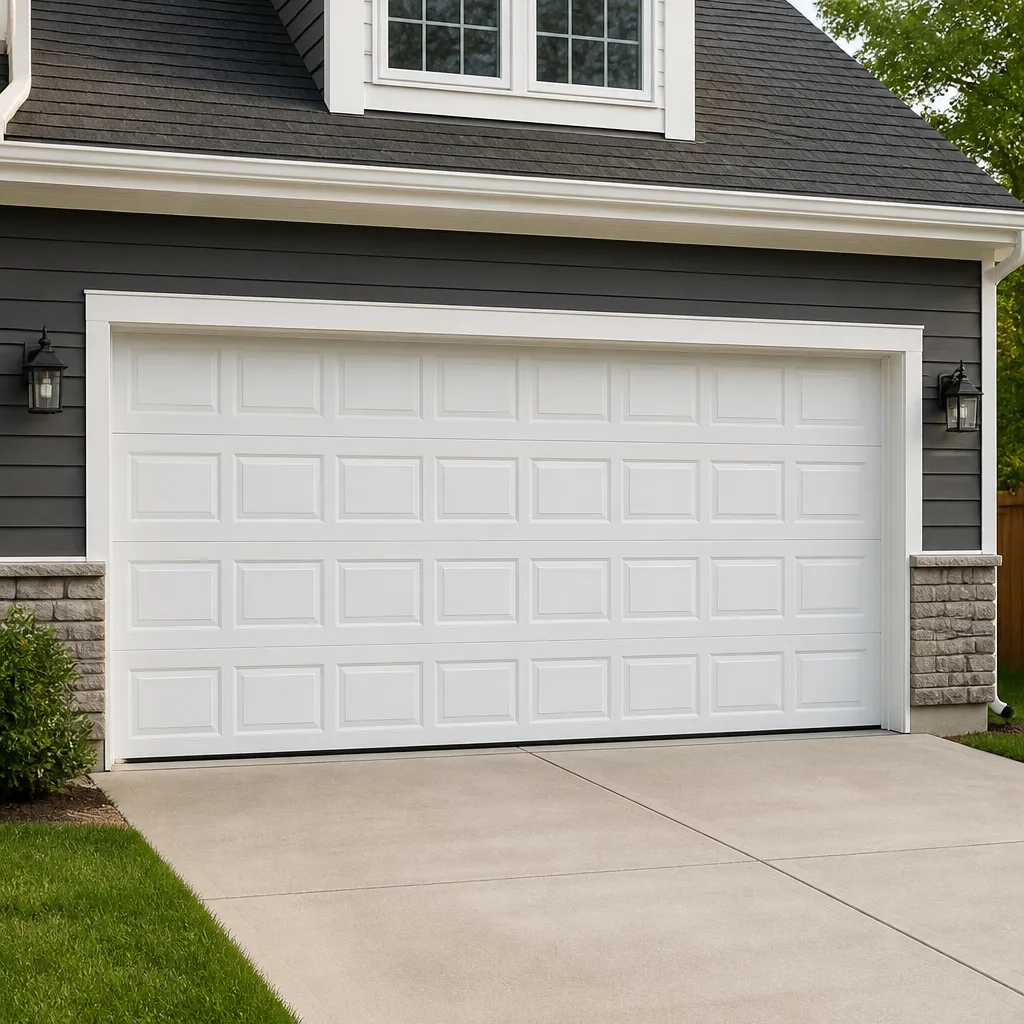 Raised-panel steel
 Carriage house
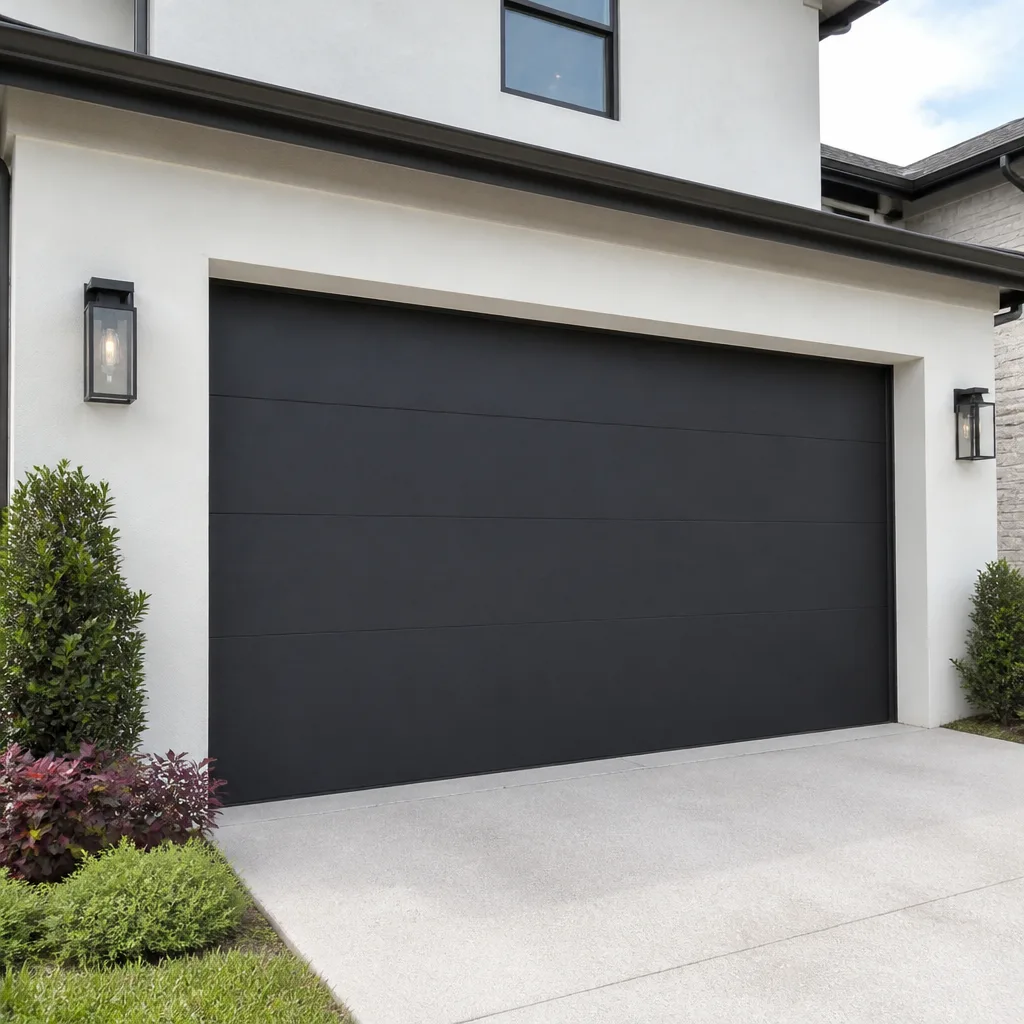 Modern flush
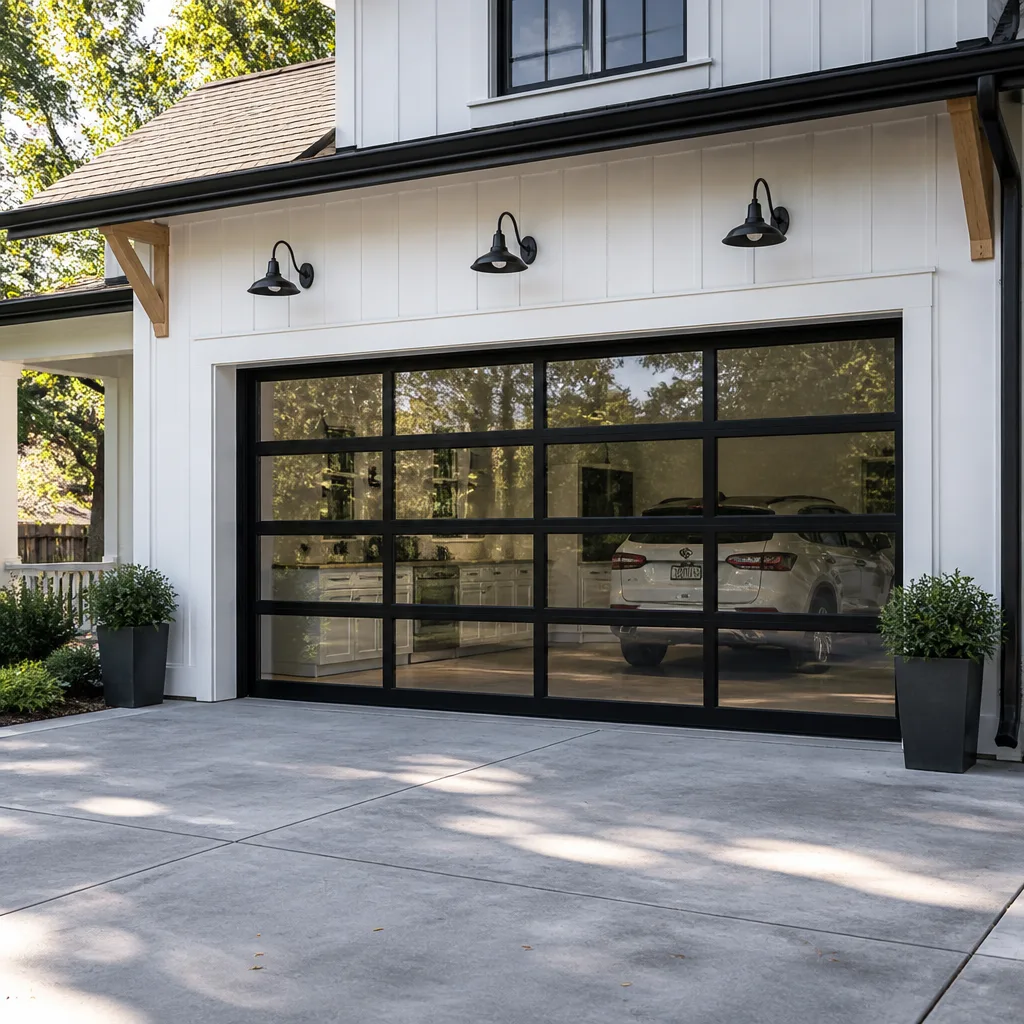 Full-view glass
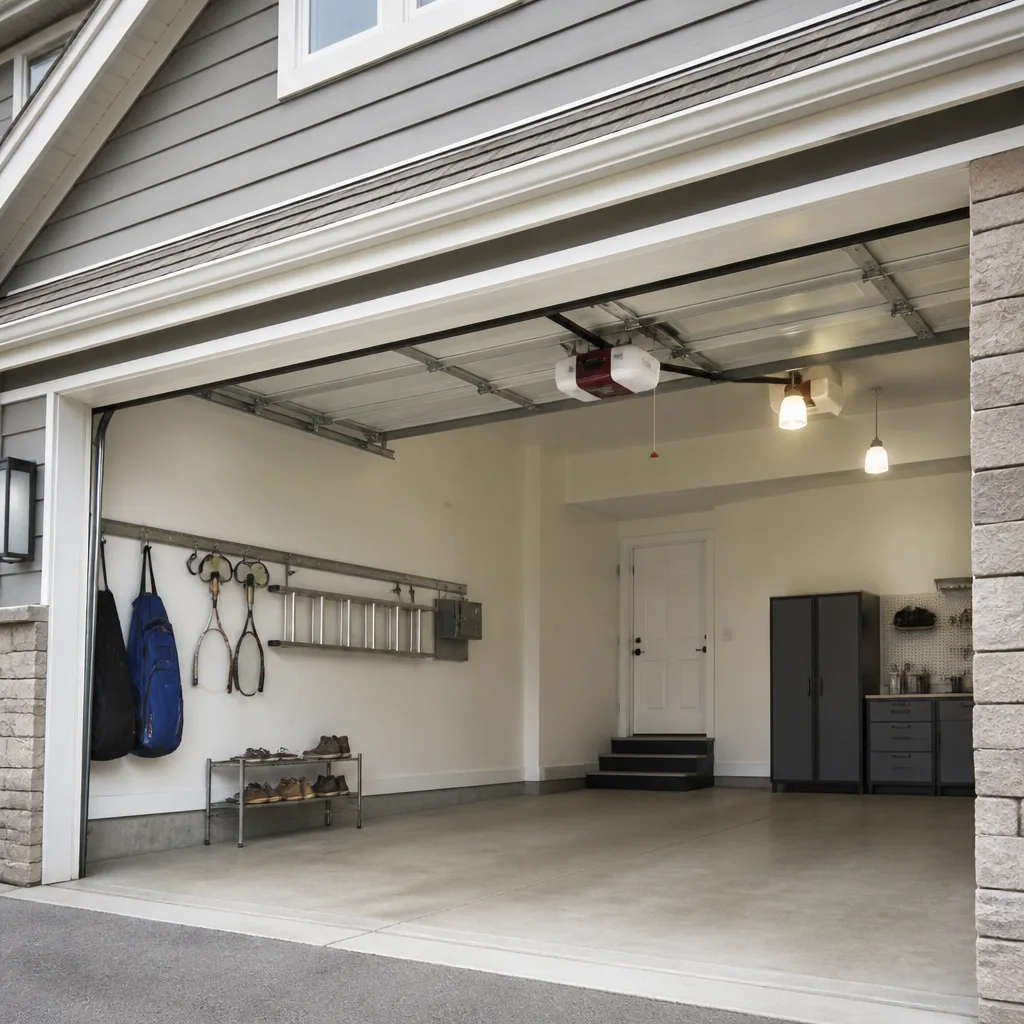 LiftMaster openers
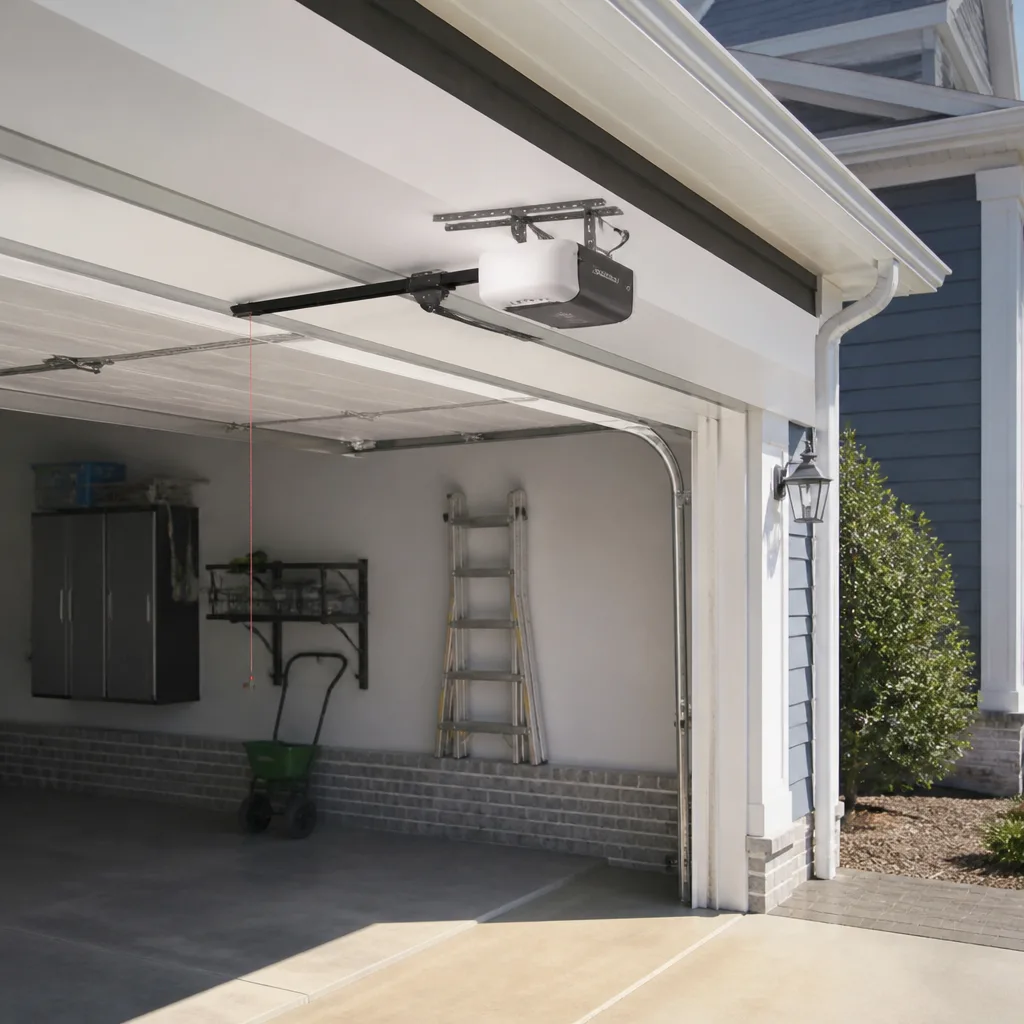 Chamberlain openers
Full 25-point door and opener safety check with every visit - springs, cables, rollers, tracks, and your LiftMaster or Chamberlain opener included
You get a price before we start. It does not change when the pro arrives.
Get your free estimateGarage Door Repair Maintenance Checklist for League City Homeowners
Most garage door maintenance checklists are written for a hypothetical house in a hypothetical climate. This one isn’t. It’s built around the failure points we actually find on League City service calls, and the first item isn’t a broken spring. It’s the bottom seal and the hardware around it. Moisture wicks up through a worn bottom seal, sits against the lowest panel, and starts eating the paint and the steel long before the door stops working. By the time a homeowner notices, the damage has been quietly building. Below you’ll find a checklist organized by how often you should do each task, what our technicians have learned about how doors fail in League City’s heat and humidity, and the maintenance jobs you should never take on yourself.
Quick Answer
A garage door maintenance checklist for League City should cover three rhythms: a two-minute monthly inspection of the door’s balance, seals, and hardware; a fifteen-minute quarterly lubrication and tightening pass; and one annual technician visit for spring tension, cable condition, and opener calibration. The tasks that matter most here are the ones tied to heat, humidity, and the daily expansion and contraction a Gulf Coast climate puts on a torsion spring. If you handle the small stuff on schedule, the big repairs stay rare.
Styles & brands we work with
- Raised-panel steel
- Carriage house
- Modern flush
- Full-view glass
- LiftMaster openers
- Chamberlain openers
Table of Contents
- The 2-Minute Monthly Check
- The 15-Minute Quarterly Pass
- The Seasonal Squeeze: How Heat and Cold Affect Your Torsion Spring
- Weatherstripping: Why It Wears Faster Here Than the Manufacturer Says
- Which Lubricants Actually Hold Up in a Texas Summer
- Corrosion Points to Watch on Doors Near the Bay
- What the Annual Technician Visit Covers
- Opener Maintenance Most Homeowners Skip
The 2-Minute Monthly Check
Two minutes a month is enough to catch almost everything that turns into an expensive repair. Do this check with the door closed and the opener disconnected, or with the door down and the power off if you’re unsure how to release the carriage. You’re looking, listening, and feeling, not fixing.
- Look at the bottom seal. Run your eyes along the rubber flap at the floor. Any tear, flattening, or gap at the corners is a moisture path into the bottom panel.
- Check the door’s balance. Pull the release cord, lift the door halfway by hand, and let go. A balanced door holds its position. One that drifts down or shoots up has a spring or tension problem.
- Listen to the opener. A grinding, rattling, or straining sound means something in the drive system is wearing. Note where the sound comes from.
- Look at the hinges and rollers. Missing screws, bent hinges, and rollers that look dry or cracked are your early warning system.
- Check the safety reversal. Put a roll of paper towels in the door’s path and close it. The door should reverse on contact. The photo-eye test is a quick pass of your foot through the beam while the door closes.
- Eyeball the cables. Look for fraying, kinks, or slack. If you see any, stop and call a professional. Cables are under the same dangerous tension as springs.
Write down anything you find. A running note of what you saw and when is the single best tool you have for a technician who’s diagnosing a problem on a League City door for the first time. Our technicians have up to 15 years of experience, and most will tell you that a homeowner’s notes cut a diagnostic visit in half.
The 15-Minute Quarterly Pass
Every three months, spend a quarter of an hour on lubrication, tightening, and cleaning. This is the pass that keeps a door running quietly through a League City summer. Work with the door closed and the opener disconnected.
- Lubricate the moving metal parts only. Rollers, hinges, the torsion spring coils, and the bearing plates get a light coat. Tracks do not. Grease in the tracks collects grit and turns into paste.
- Tighten the hardware you can reach safely. Hinges, brackets, and the bolts on the door panels. Snug, not cranked. Over-tightening cracks the panel.
- Wipe the tracks with a dry cloth. No solvent, no oil. A damp rag in a humid climate just moves the grime around.
- Inspect the photo-eye lenses. Dust and spider webs build up on the sensor eyes faster than most people realize, especially on a door that faces a driveway with a lot of traffic.
- Check the weatherstripping at the sides and top. Run a hand along it. If it crumbles or pulls away from the frame, it needs replacing before the next rainy stretch.
- Test the manual release. Make sure the cord pulls freely and the carriage re-engages cleanly when you close the door by hand.
The quarterly pass is also when you should look at the paint on the bottom panel and the bottom of the door’s side frames. Blistering or bubbling paint on those surfaces almost always means moisture is getting in from somewhere. Finding it at the paint stage is much cheaper than finding it at the rust-through stage.
The Seasonal Squeeze: How Heat and Cold Affect Your Torsion Spring
Torsion springs don’t fail on a neat schedule. They fail when the metal is asked to carry a load it wasn’t set for, and in League City that load changes more than people expect. A torsion spring is wound to hold a specific door weight at a specific counterbalance. When summer heat expands the door panels and the metal track, the door gets fractionally heavier and less willing to travel. When a January cold snap rolls through, the metal contracts, the lubricant thickens, and the door suddenly feels lighter than the spring expects. The spring is absorbing the difference in both directions, every day, all year.
This is the seasonal squeeze. Homes in dry climates get a much flatter year of door weight. Homes in League City don’t. What it means for maintenance is simple:
- A door that runs perfectly in April may start hesitating in August. That’s heat, not necessarily a failing spring.
- A door that runs fine in October may slam hard on a cold January morning. That’s contraction and stiff lubricant, not a spring that’s gone bad overnight.
- The real warning sign is a change that doesn’t settle back. If the door’s behavior stays off after a week of normal weather, the spring tension or the balance has shifted and needs a technician’s eyes.
Never adjust torsion spring tension yourself. The springs are under enough stored energy to cause serious injury, and the correct adjustment requires measuring the door’s actual weight. This is the single most dangerous part of any garage door system, and it’s the repair our technicians handle most often. If your door has started acting differently with the seasons, garage door spring repair is the right call rather than a YouTube tutorial.
Weatherstripping: Why It Wears Faster Here Than the Manufacturer Says
Most weatherstripping manufacturers publish an expected service life based on average UV and humidity exposure. In a high-UV, high-humidity climate like League City, that estimate is optimistic. The sun breaks down the rubber and vinyl from the outside. The humidity works on it from the inside. The combination dries, hardens, cracks, and pulls the material away from the frame faster than the label suggests.
The three pieces to keep track of:
- Bottom seal. The rubber flap at the floor. It’s the most important seal on the door and the one that fails first. A compromised bottom seal lets water into the lowest panel and is the number-one moisture source we find on League City doors.
- Side and top weatherstripping. The strips on the frame that the door presses against. When they harden, they stop sealing and start dragging on the door.
- Threshold seal. The piece on the floor where the door meets the slab. If water pools at the door during heavy rain, this is usually the reason.
How do you know when it’s time? Run a hand along each piece. Fresh weatherstripping is soft, springy, and doesn’t leave a chalky residue on your fingers. Old weatherstripping crumbles, holds a crease, or pulls away from its mounting point. In our experience, most League City doors need the bottom seal replaced well before the manufacturer’s stated interval. Check yours at every quarterly pass and replace it the moment it stops sealing. It’s one of the cheapest tasks on this list and it protects the most expensive component: the door itself.
Which Lubricants Actually Hold Up in a Texas Summer
The wrong lubricant is worse than no lubricant. A product that works fine in a cooler climate can attract dust and gum up rollers by August in League City. The rule is simple: use a lubricant that goes on light and stays where you put it without becoming a dirt magnet.
What works:
- White lithium grease in a spray can for hinges, bearing plates, and the torsion spring coils. It holds up to heat and doesn’t run.
- Silicone spray for the rollers and the surfaces the door travels against. It stays slick without collecting grit.
What doesn’t work, and why:
- Heavy grease in a tub or tube is the biggest offender. It’s thick, it collects dust, and by mid-summer the rollers are rolling through a paste of grit and old grease instead of rolling on clean bearings.
- WD-40 as a long-term lubricant is a common mistake. It’s a light oil, it evaporates, and it attracts dirt. It’s fine for freeing a frozen bolt. It’s not a door lubricant.
- Any lubricant in the tracks. Tracks are meant to be clean and dry. Grease in a track is a slow-motion roller killer.
Apply lubricant sparingly, wipe away the excess, and reapply at each quarterly pass. If your rollers feel rough or your hinges are stiff after a fresh application, the parts are worn and lubricant won’t fix them. That’s when you want a technician to look at the whole system rather than keep adding grease. Our garage door repair service covers this exact diagnostic.
Corrosion Points to Watch on Doors Near the Bay
Homes within roughly 15 miles of the bay sit in a moisture-heavy environment, and garage door hardware is one of the first places it shows. You won’t see rust on the big painted panels for years. What you’ll see first is corrosion on the small parts: hinges, brackets, rollers, and the bearing plates at the ends of the torsion bar.
Check these points at every quarterly pass:
- Hinges. Look at the pin and the joint. White or orange powder at the pivot is early corrosion.
- Rollers. The stem and the bearing are vulnerable. A roller that squeals despite fresh lubricant is usually corroding from the inside.
- Bearing plates. The metal plates where the torsion bar enters the track brackets. Rust weeping from the plate is a sign the bearing is on its way out.
- Bottom brackets and the bottom panel corners. The lowest point of the door takes the most moisture, especially if the bottom seal has failed.
- Fasteners. Screws and bolts that have started to corrode will seize. Catch them before they do.
The fix is unglamorous and cheap: keep the door clean, keep lubricant on the moving metal parts, and replace small hardware at the first sign of corrosion rather than waiting for it to fail. A corroded roller that seizes mid-travel can bend a track, and a bent track turns a small repair into a bigger one. Doors in League City neighborhoods close to the water benefit most from this check. If you’re seeing rust on multiple components at once, call in a technician rather than playing whack-a-mole with individual parts.
What the Annual Technician Visit Covers
Once a year, the door needs a technician’s eyes on it. The homeowner checklist catches the visible stuff. The annual visit catches the rest. Here’s what a good one covers, and what to ask for if you’re not sure what you’re getting.
- Spring tension measurement. The technician measures the door’s actual weight and confirms the springs are counterbalancing it correctly. This is the most important item on the annual visit and it can’t be done by hand from the driveway.
- Cable inspection. Cables are inspected for fraying, kinks, and correct tension. This is a safety item, not a maintenance nicety.
- Roller and hinge replacement. Worn parts get swapped before they fail. This is the cheapest form of repair there is.
- Track alignment. Tracks are checked for plumb, level, and straight travel. A small misalignment caught early prevents a door that binds at one corner.
- Opener calibration. The opener’s force limits and travel limits are checked and reset so the door opens and closes smoothly across its full range.
- Full lubrication and tightening pass. The technician redoes the quarterly pass with better access than you have, and torques everything to spec.
Every system we see is a little different, which is why we work on the brands we see most often in this market: LiftMaster and Chamberlain openers, Genie and Craftsman drive systems, and doors from Clopay, Amarr, Wayne Dalton, and Raynor. Familiarity saves time. A technician who already knows how your LiftMaster opener’s travel limits are set doesn’t have to learn them on your driveway. That’s the difference between a visit that ends with a fix and a visit that ends with a follow-up appointment.
Opener Maintenance Most Homeowners Skip
The door is the mechanical system. The opener is the drive system. They’re separate, and most homeowners only think about the door. The opener needs three things from you, and none of them involve the door itself.
- Clear the safety sensors and test them monthly. The two photo-eyes at the bottom of the track stop the door if something crosses the beam. Dust, spider webs, and misalignment are the three most common reasons they fail, and a failed sensor usually shows up as a door that closes halfway and reverses.
- Test the safety reversal monthly. Put an object in the path and close the door. If it doesn’t reverse on contact, the opener’s force limit is set too high, and that’s a call-a-technician job.
- Listen for load changes. A straining opener, a door that reverses at the same point every time, or a wall button that sometimes doesn’t respond all point to the same thing: the opener is working harder than it should. That’s usually the door, not the opener, but the opener is where you notice it.
One more thing to skip: opening the opener’s housing to “check the gears.” The gears are inside a sealed housing for a reason, and a homeowner with a screwdriver and good intentions usually ends up needing a service call they wouldn’t have needed otherwise. If your opener is making a grinding noise that comes from inside the unit, that’s a job for a technician. Our garage door opener repair team handles it. If you’re not sure whether the problem is the door or the opener, describe the symptom when you call and we’ll tell you which one to look at first.
Common Mistakes to Avoid
- Greasing the tracks. This is the single most common maintenance mistake, and it’s the one that does the most hidden damage. Track grease collects grit and turns rollers into scrap. Keep the tracks clean and dry.
- Adjusting a torsion spring by yourself. The springs are under enough stored energy to cause a serious injury in a split second. Anything past a visual check is a professional job.
- Ignoring a small bottom seal tear. A pinhole in the bottom seal lets water into the lowest panel, and in League City’s humidity it doesn’t take long for that to turn into rust. Replace the seal at the first sign of a gap.
- Skipping the monthly balance check. A door that’s out of balance is putting extra load on the opener, and the opener is the part that costs the most to replace. Two minutes with the release cord once a month catches it.
- Using heavy grease or WD-40 on the moving parts. Heavy grease gums up in summer heat, and WD-40 attracts dirt without providing long-term lubrication. White lithium grease and silicone spray are the right tools.
- Replacing the opener when the door is the problem. A door that binds, drags, or reverses is usually a door problem, not an opener problem. Diagnose before you replace.
- Waiting for the annual visit to mention a noise. A new noise is a symptom worth mentioning on the phone. Our technicians have up to 15 years of experience, and a description of what you’re hearing will often point them straight to the likely cause before they arrive.
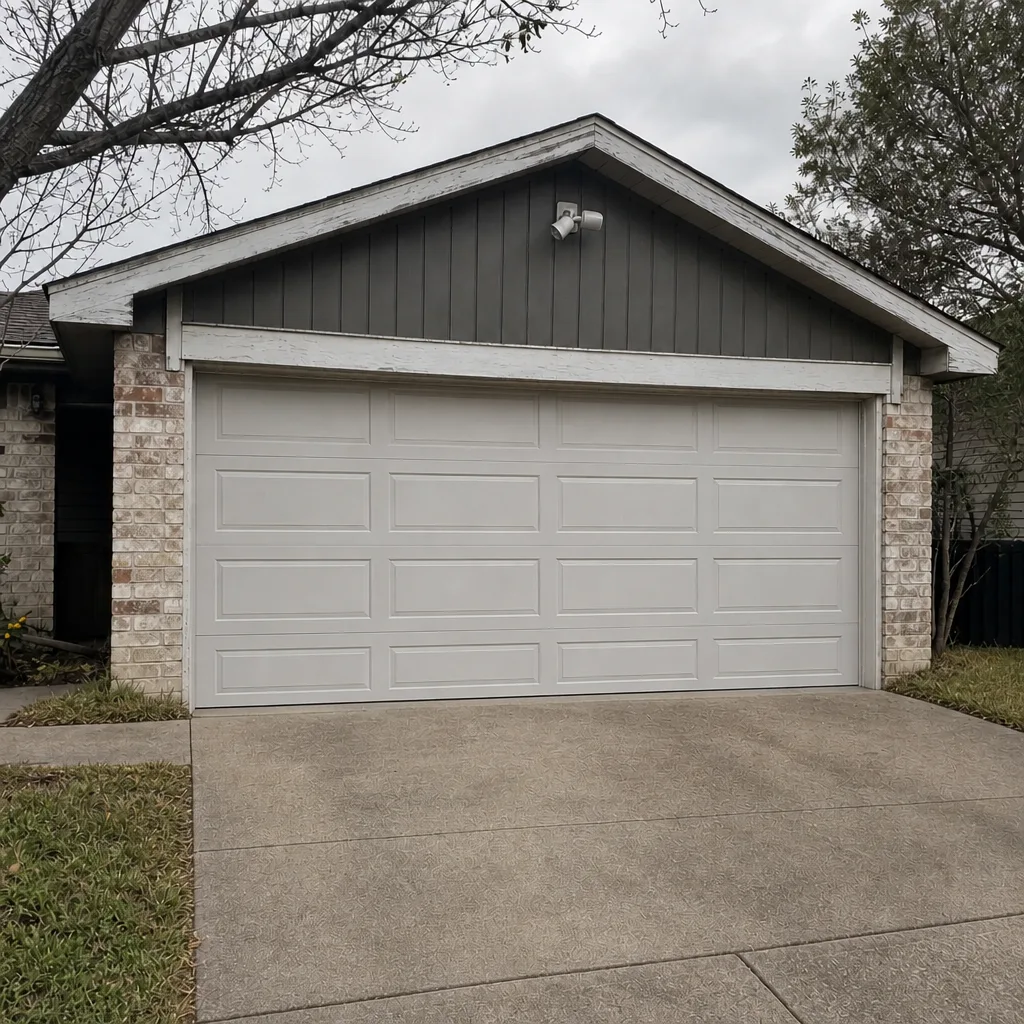
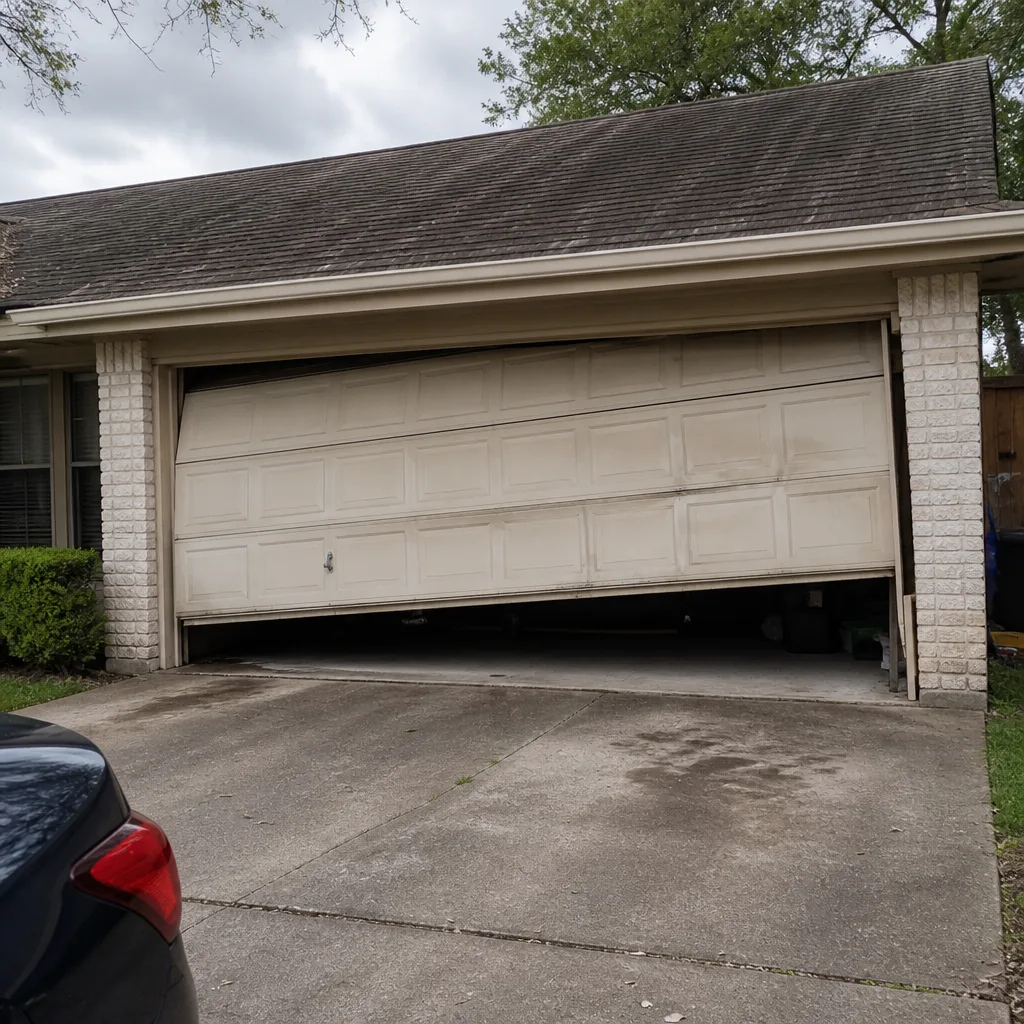
See the difference
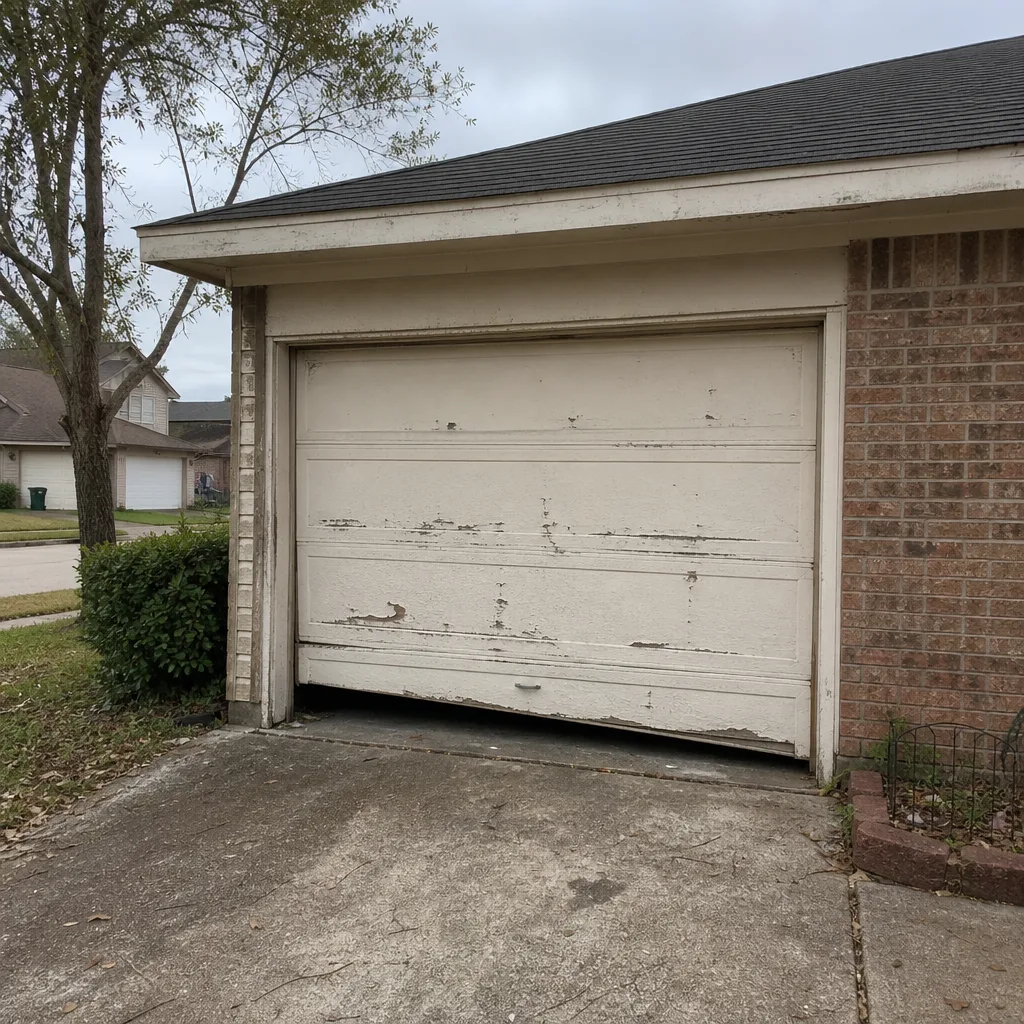 Before
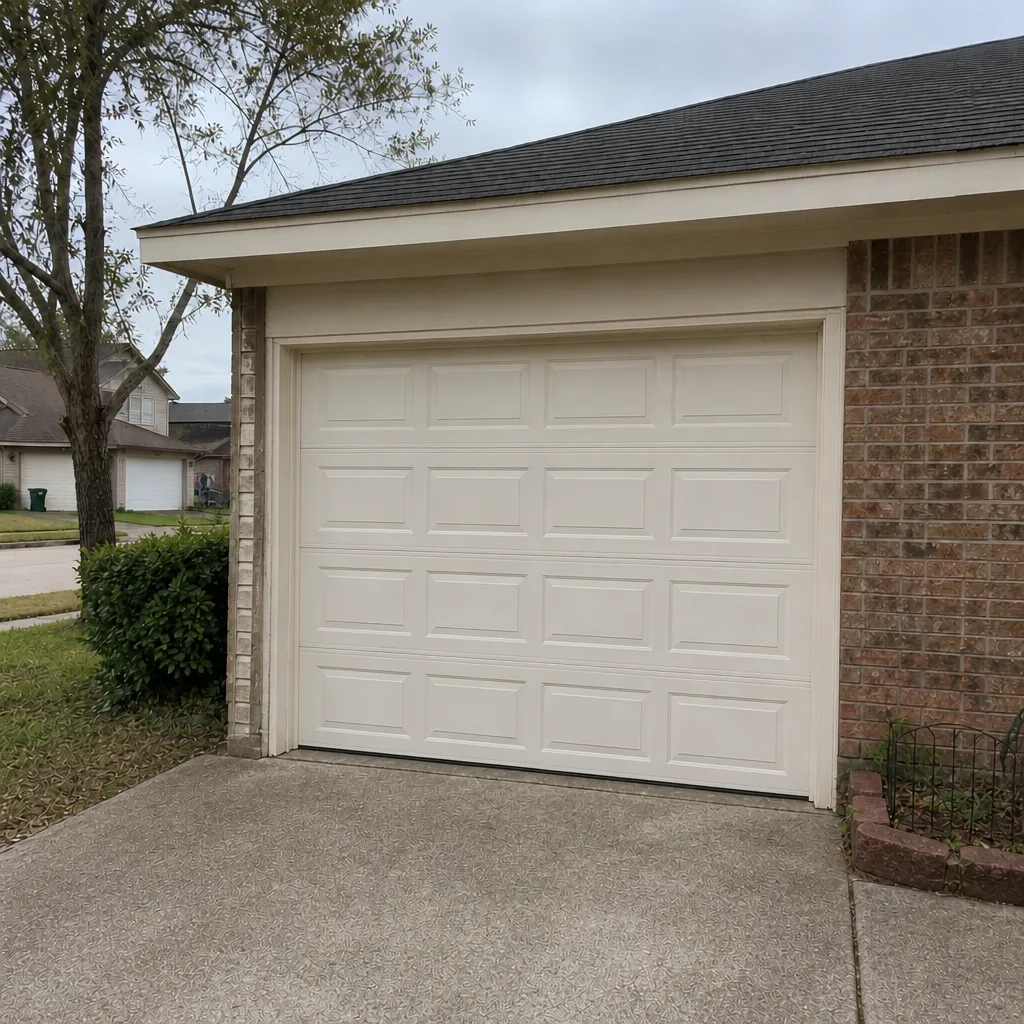 After
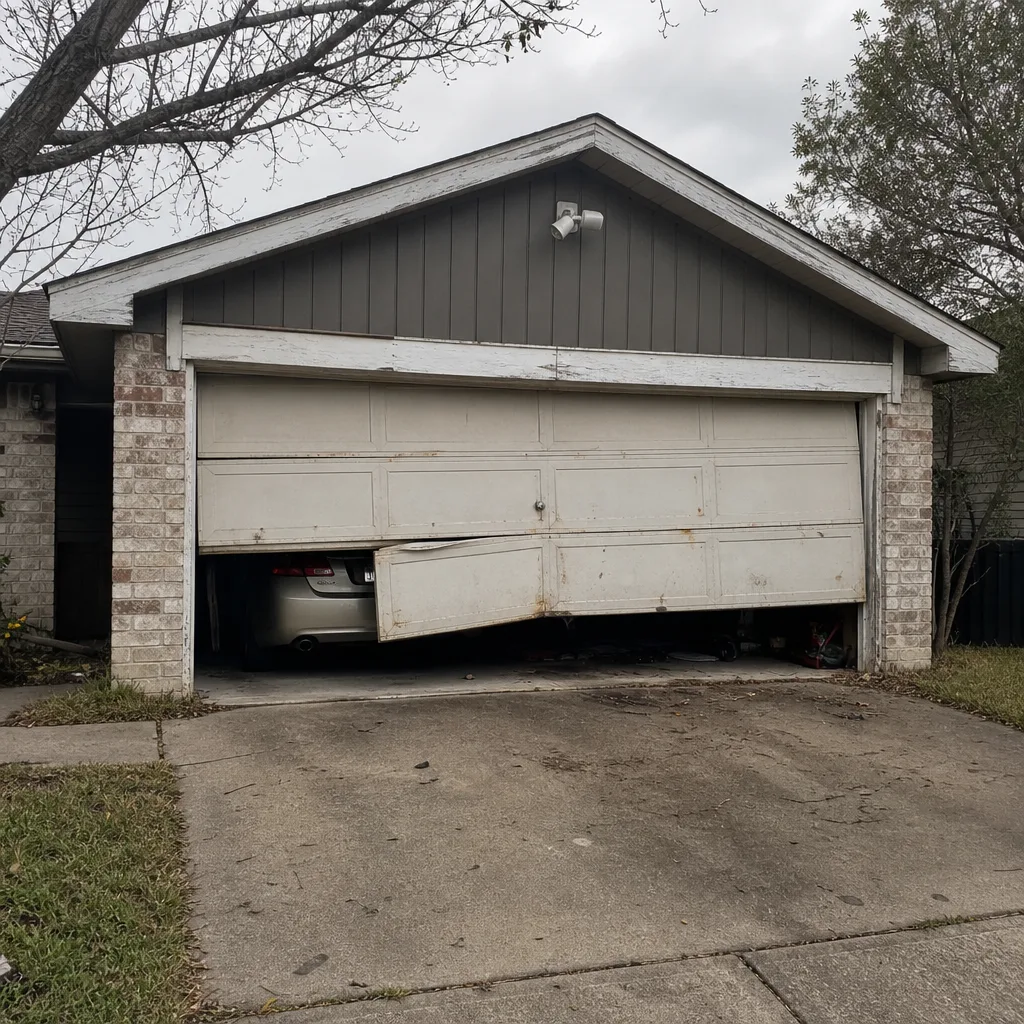 Before
 After
 Before
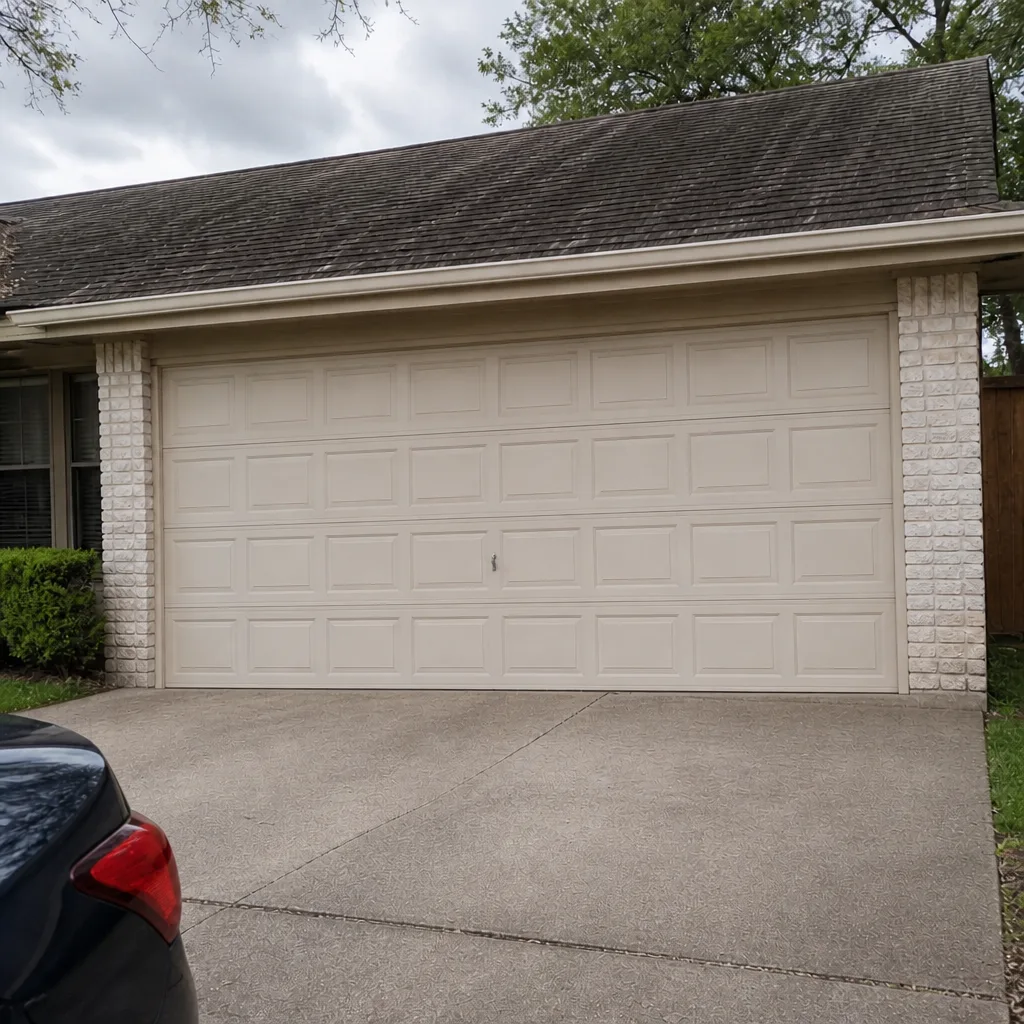 After
When to Call a Professional
Some jobs on this list are yours. Others are not. Call a professional when the door comes off its track, when a cable looks frayed or goes slack, when the door won’t balance, when the door slams down or won’t stay up, when the spring has visibly broken, or when the opener grinds from inside the housing. Call when the door has come off its hinges or when the photo-eyes won’t hold alignment. And call when a door has failed in a way that leaves the house open or traps a car you need. A stuck door is a security problem, and it’s a problem our team handles as a standard service. League City Garage Door Repair Pros offers free estimates in League City, and our estimate is what you agree to before any work starts. Call (866) 651-6896. We answer 24/7. Fast dispatch from 7am to 7pm, Sunday through Friday. If you want to see how our full range of services fits together, start at League City Garage Door Repair Pros.
Frequently Asked Questions
Most League City homeowners do best with a monthly two-minute visual check, a quarterly fifteen-minute lubrication and tightening pass, and one annual technician visit. The quarterly pass matters more here than in a dry climate because heat and humidity accelerate wear on seals and hardware. Put the monthly check on the same day each month and the rest becomes habit.
Yes, for the moving metal parts: hinges, rollers, bearing plates, and the torsion spring coils. Use white lithium grease or silicone spray, apply sparingly, and never put lubricant in the tracks. Anything involving the springs, cables, or the inside of the opener housing is a professional job. If you’re not sure whether a part you’re looking at is safe to touch, it’s not.
Metal expands in heat and contracts in cold, and here that shift changes how the door sits against its spring. In summer, the door can feel heavier and hesitate. In a January cold snap, it can slam or feel lighter. A change that settles back within a week is normal. A change that persists is a sign the spring tension or the balance needs a technician’s attention.
Shorter than most manufacturer estimates suggest. High UV exposure and steady humidity break down rubber and vinyl faster than average, and the bottom seal is usually the first to go. Rather than watching a calendar, check the strips by hand at each quarterly pass. When they crumble, hold a crease, or pull away from the frame, replace them.
It depends on where the noise is coming from. Noise from the tracks, hinges, or rollers is almost always the door. Noise from inside the opener housing is the drive system. A straining sound that rises and falls with the door’s travel is usually the door working harder than the opener expects. Describe the location and timing when you call and we’ll help you narrow it down before anyone comes out.
We answer 24/7. A call outside dispatch hours is booked into the next opening, Sunday through Friday, 7am to 7pm. Before you call, secure the house as best you can and keep the door’s manual release accessible. If the door is stuck halfway or off its track, don’t try to force it closed by hand. Call (866) 651-6896 for an exact quote – estimates are free.
The Bottom Line
The maintenance checks that matter most in League City are the ones tied to heat, humidity, and the hardware closest to the ground. Watch the bottom seal, keep the small parts lubricated with the right product, note any seasonal changes in how the door runs, and get a technician’s eyes on the springs and cables once a year. None of it is complicated, and none of it takes much time. Do the small tasks on schedule and the big repairs stay rare. Miss them, and the door tells you by failing. For an exact quote on any repair or maintenance visit, call (866) 651-6896. We answer 24/7. Fast dispatch from 7am to 7pm, Sunday through Friday.
Written by the team at League City Garage Door Repair Pros.