
Last updated November 21, 2026
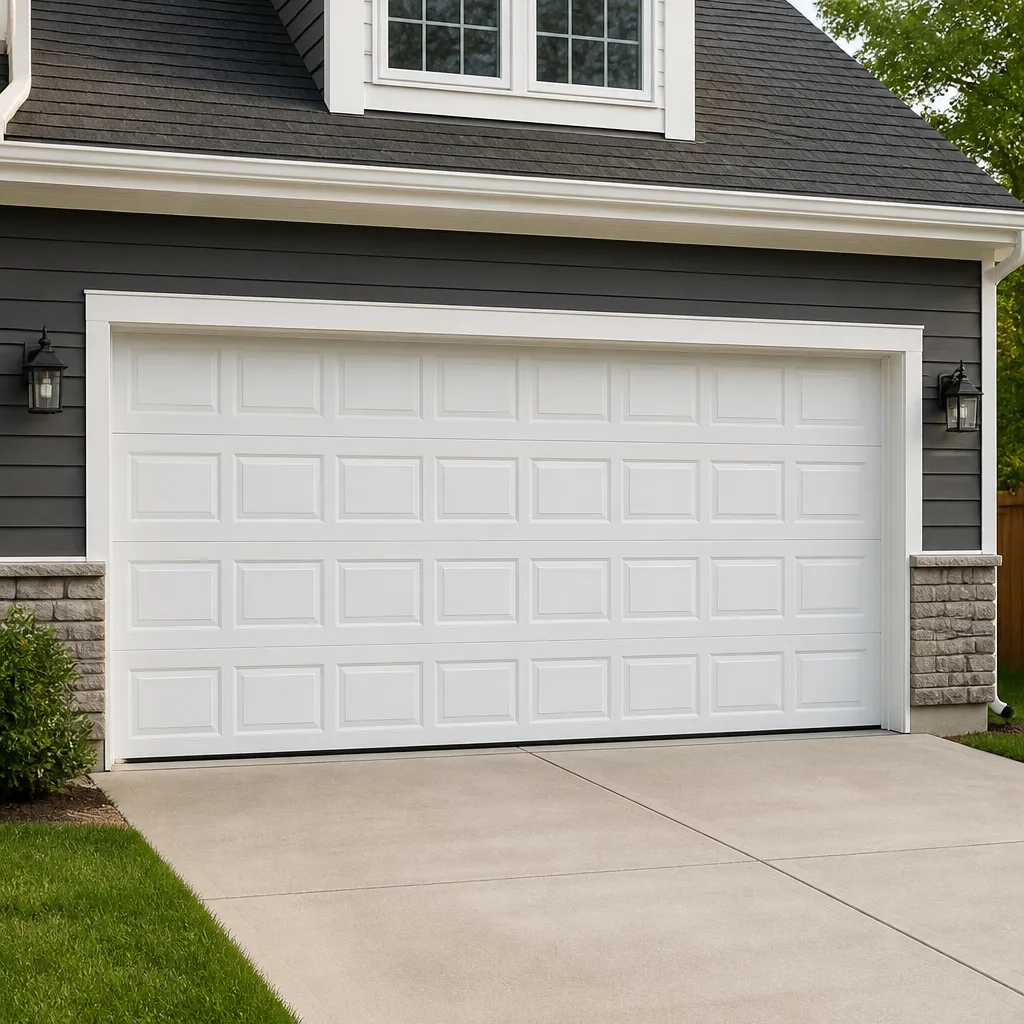 Raised-panel steel
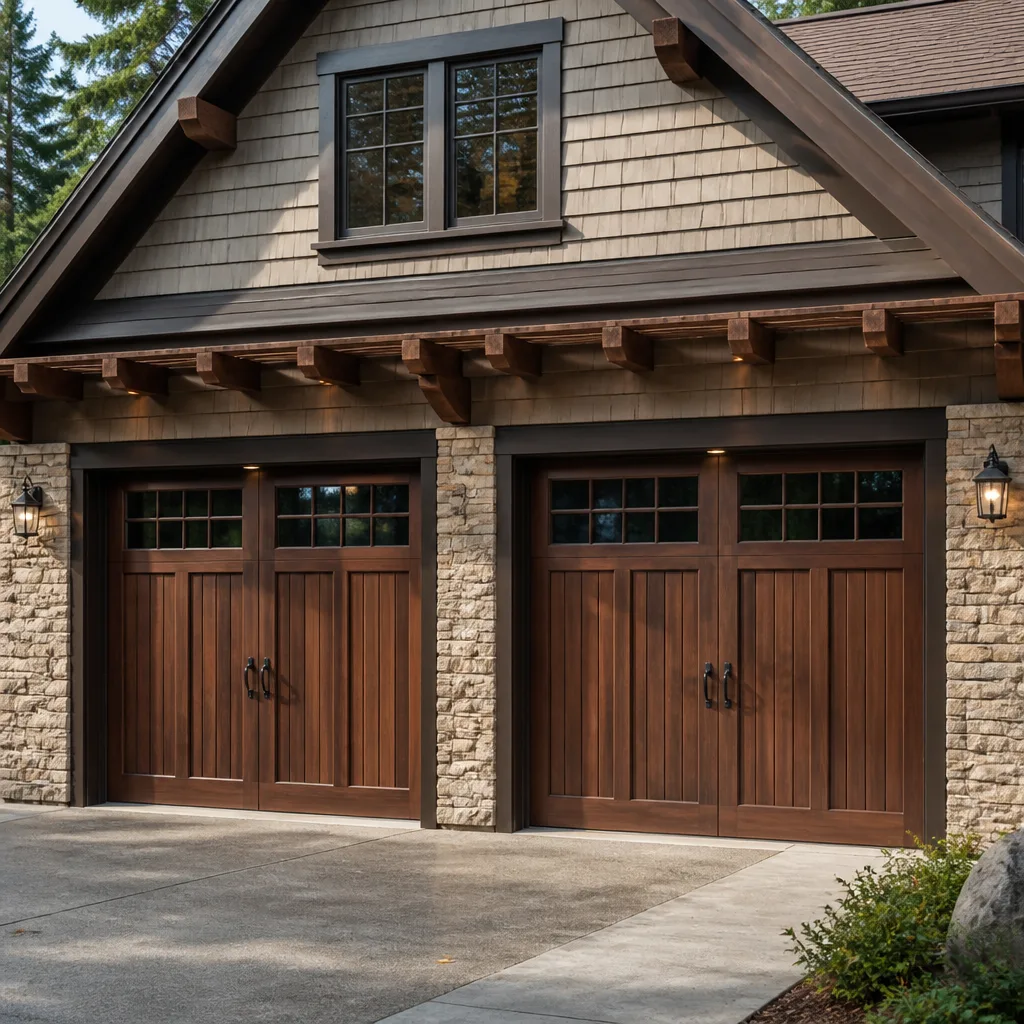 Carriage house
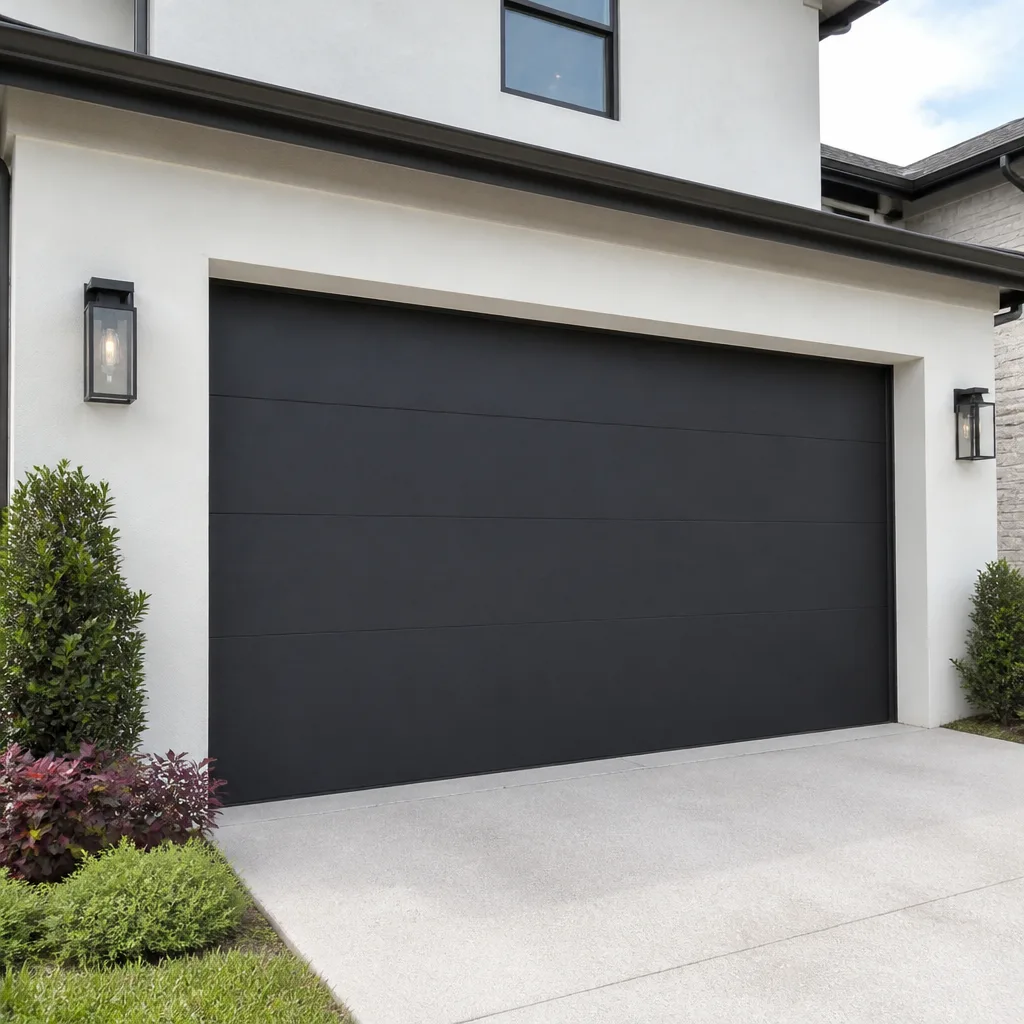 Modern flush
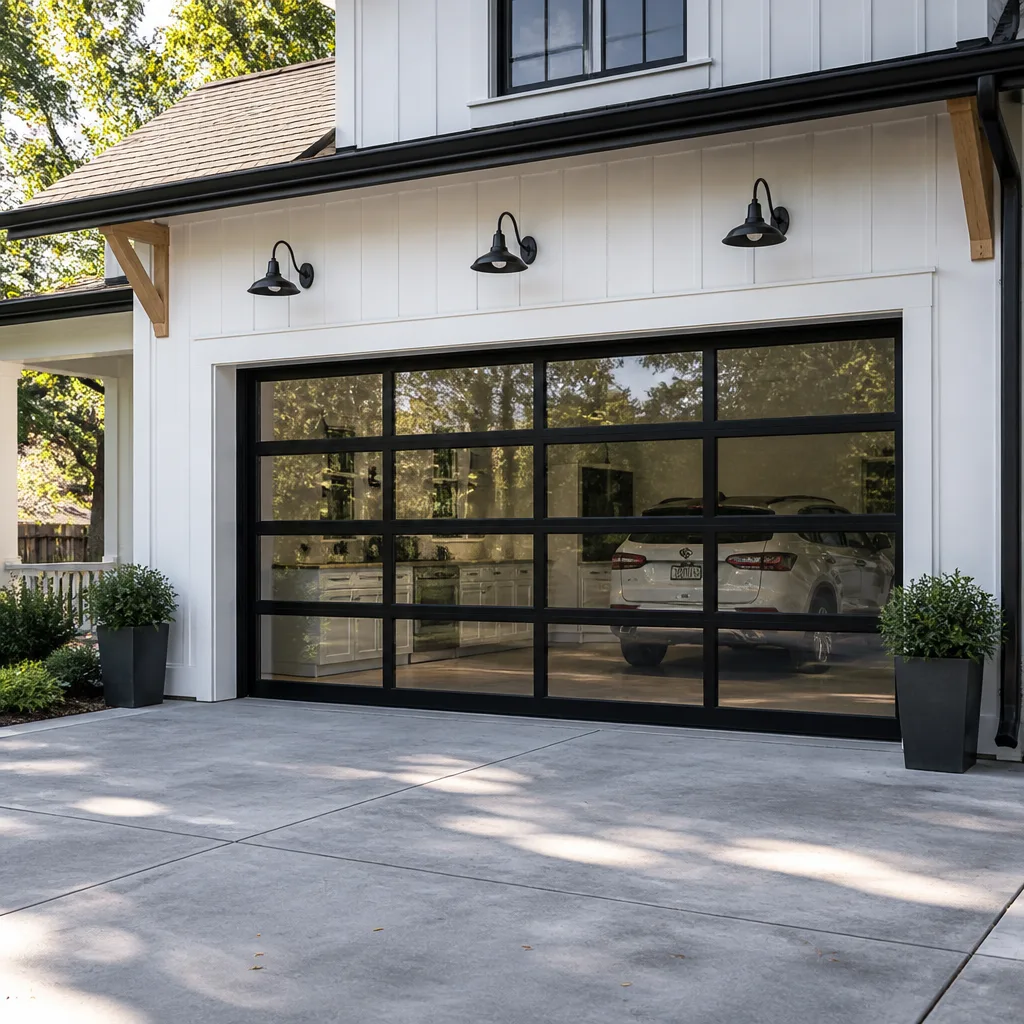 Full-view glass
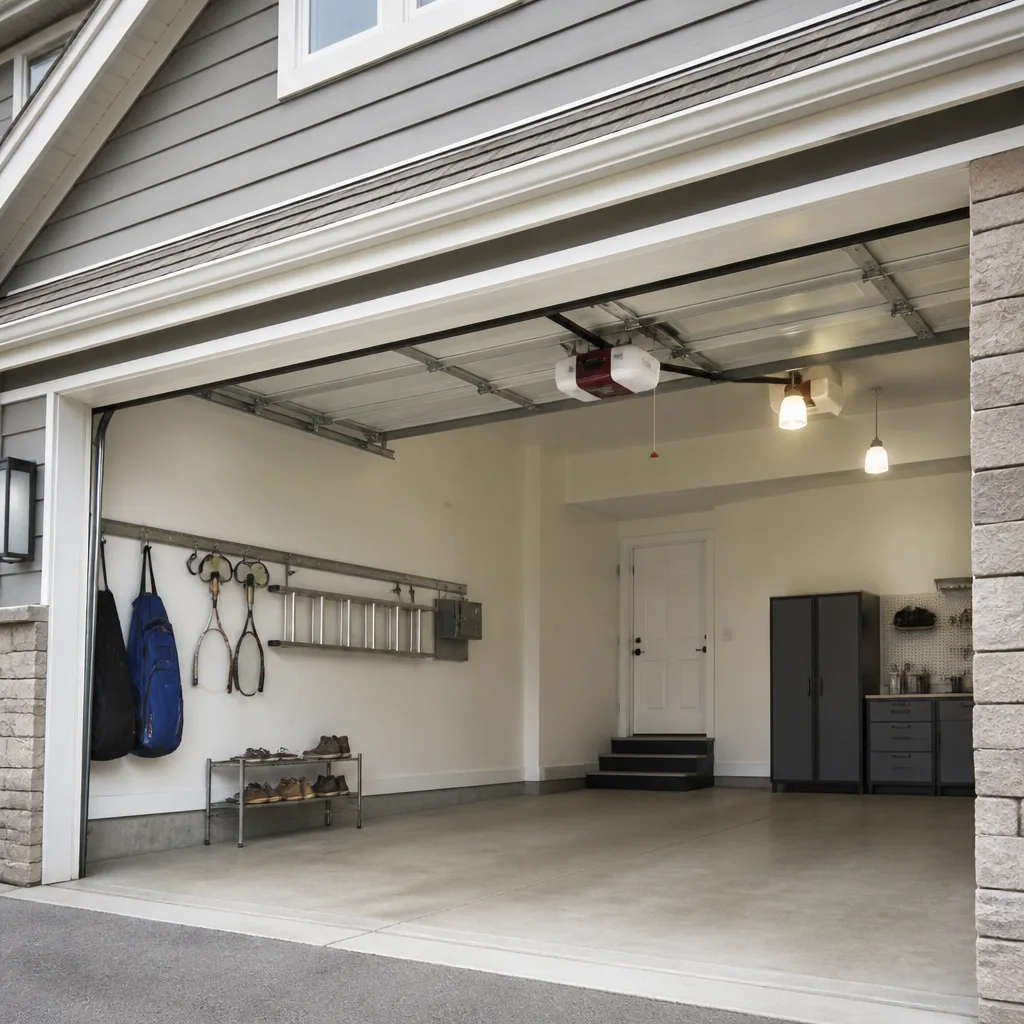 LiftMaster openers
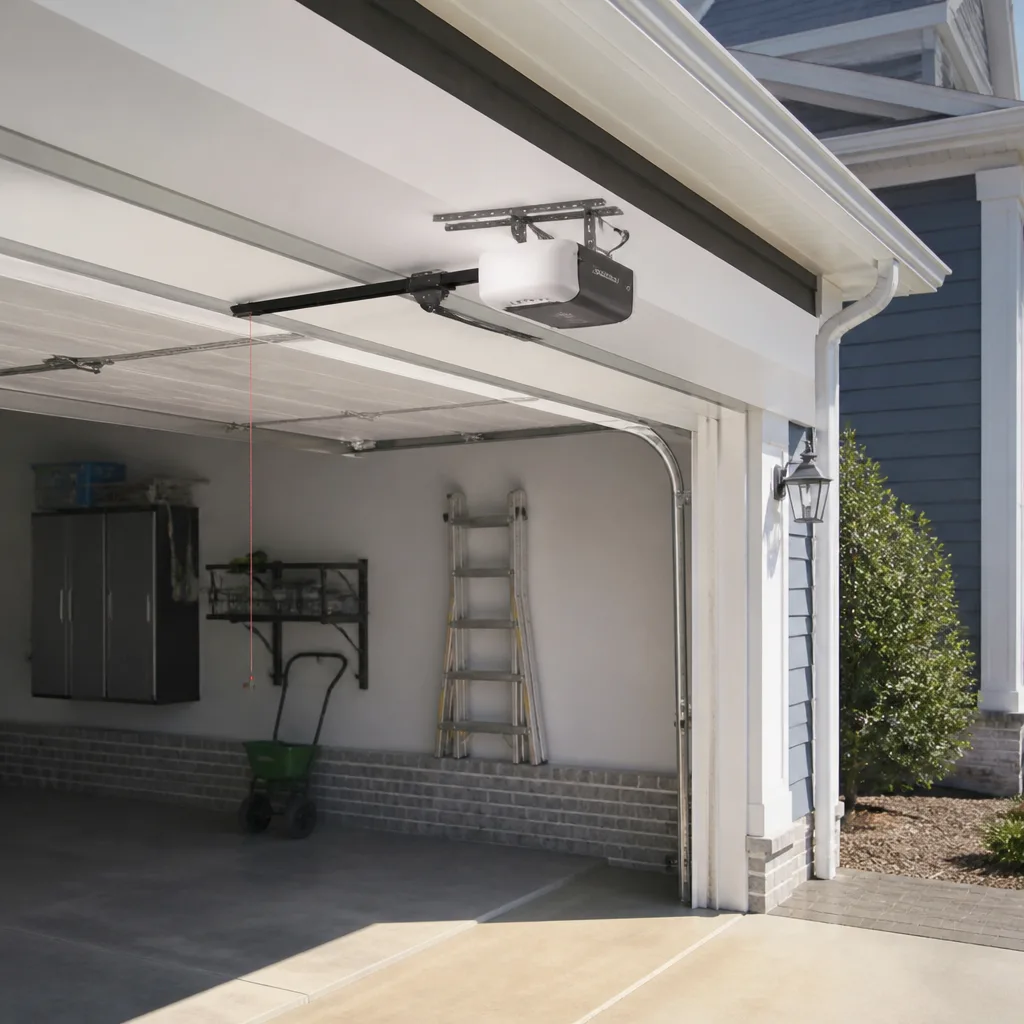 Chamberlain openers
Full 25-point door and opener safety check with every visit - springs, cables, rollers, tracks, and your LiftMaster or Chamberlain opener included
You get a price before we start. It does not change when the pro arrives.
Get your free estimateGarage Door Warning Signs: A League City Homeowner’s Reference Guide
The warning signs that actually matter are rarely the dramatic ones. A door that’s two seconds slower to respond than it was last month, or a little louder at the halfway point, is telling you something specific – and what it’s telling you depends entirely on what’s bolted to your ceiling. A LiftMaster that hesitates and a Genie that hesitates are often describing two different problems, and treating them the same is how a small fix turns into a major one. This guide walks through the symptoms by component and by brand, explains what League City‘s humid summers do to door hardware, and shows you where the line sits between watch-and-wait and stop-operating-the-door.
Quick Answer
The warning signs worth acting on are: a door that reverses before it touches the floor, a visible gap in the spring coils, a frayed or kinked cable, a door that sits crooked in the opening, rollers that squeal through the whole travel, and an opener that strains or hesitates. Anything involving springs, cables, or a door that won’t stay up belongs in the stop-using-it-now category. Slower response, minor noise, and weatherseal wear are usually watch-and-wait items you can schedule.
Styles & brands we work with
- Raised-panel steel
- Carriage house
- Modern flush
- Full-view glass
- LiftMaster openers
- Chamberlain openers
Table of Contents
- Why the Same Symptom Means Different Things by Brand
- The Humidity Warning Signs Specific to League City
- Warning Signs by Component: What Each Part Tells You
- Adjustment vs. Unsafe: How to Tell the Difference
- The Escalation Threshold: Watch-and-Wait vs. Stop Now
- A Monthly Walk-Around You Can Do in Five Minutes
- When a Warning Sign Needs a Technician
Why the Same Symptom Means Different Things by Brand
A door that stutters at the start of travel is not one problem. It’s a symptom, and the hardware underneath decides what’s actually wrong. We work on eight major brands – LiftMaster, Chamberlain, Genie, Clopay, Amarr, Wayne Dalton, Craftsman, and Raynor – and the differences in how each one fails are consistent enough to be useful.
On a Chamberlain or LiftMaster chain-drive opener, a hesitation at startup often traces to the travel limits drifting or the safety sensors losing alignment after a bump. Those systems use a fairly predictable logic board, and the symptom usually points at the electronics rather than the door itself. On a Genie screw-drive unit, that same hesitation is more often mechanical – the rail and carriage are telling you they need attention, or the motor is working against a door that’s gotten heavier than it used to be.
Craftsman openers, many of which share lineage with Chamberlain designs, tend to behave similarly to their Chamberlain cousins on the electronics side, but they’re old enough in a lot of League City homes that the gear and sprocket assembly inside the housing becomes the likely culprit. A Wayne Dalton door paired with a newer opener can produce a shudder that feels like an opener fault but is actually the door’s torsion system binding.
The practical takeaway is this: don’t diagnose the symptom in isolation. Note the brand on the opener housing and the brand stamped on the door panels. That pairing narrows the list of likely causes before anyone touches a tool. Our technicians have up to 15 years of experience reading exactly these combinations, which is why we ask for both brand names when you call.
The Humidity Warning Signs Specific to League City
League City summers put a specific kind of stress on garage door hardware, and it shows up in ways that homeowners in drier climates never see. The garage is usually the least climate-controlled space in the house, so it takes the full brunt of the seasonal moisture.
Here’s what to watch for as the humid months settle in:
- Rust streaking at panel seams. Look at the horizontal lines where steel panels meet. Orange or brown runoff at those seams means moisture is sitting in the joint. It’s cosmetic at first and structural later.
- Swelling at the bottom section. If you have a wood or composite bottom panel, it absorbs moisture from the slab and the humid air. A bottom section that’s starting to bulge or feel soft is a genuine warning sign, not just an eyesore.
- Stiff rollers in summer. Steel rollers with worn bearings get sticky when the air is heavy. A door that rolls smoothly in January and grinds in July is telling you the rollers are due.
- Weatherseal that sticks to the floor. The rubber seal along the bottom can tack to a warm slab, and the opener ends up fighting it on every cycle.
- Paint bubbling on the door face. Bubbles mean moisture is trapped under the finish. Left alone, that’s where the panel starts to go.
None of these are emergency calls on their own. Together, they’re the reason a League City door often needs attention at a different interval than the manufacturer’s general guidance suggests. If you’re seeing rust at the seams and stiff rollers at the same time, that’s a good moment to have the whole system looked at rather than replacing parts one at a time.
Warning Signs by Component: What Each Part Tells You
Every part of a garage door has its own failure vocabulary. Learning to read it is the difference between catching something early and finding out the hard way.
Springs
Torsion springs sit above the door on a steel shaft; extension springs run along the sides. Both give warning signs, and both deserve respect.
- A visible gap in the coil means the spring has broken. The door may still lift if two springs share the load, but it’s running on one and that one is now overloaded.
- A door that feels extremely heavy when you lift it by hand (with the opener disconnected) points at a spring that’s lost tension.
- A loud bang from the garage is the classic sound of a torsion spring failing. If you hear it, stop operating the door.
Springs are under enormous tension even when the door is closed and the opener is off. We don’t recommend adjusting, winding, or removing them yourself – this is the part of the system where a mistake causes serious injury. Our garage door spring repair service exists because this is the highest-risk repair on the whole door, and it should be handled by someone who does it regularly.
Cables
Cables wind around the drums at each end of the torsion shaft and hold the door’s weight in tension. A frayed cable – look for stray wires poking out of the braid – is a stop-using-the-door sign. A cable that’s jumped its drum and is riding on the edge is the same. Cables don’t fail gradually the way springs do; they go from worn to snapped, and a snapped cable lets one side of the door drop.
Rollers
Rollers are the cheapest part on the door and the most common source of noise. Steel rollers with worn bearings grind. Nylon rollers wear flat and develop a thump at a specific point in travel. Either way, a roller that’s seized will start wearing a groove into the track, which turns a small parts job into a track replacement.
Tracks
Tracks should be straight and parallel. A dent from a bumped car, a track that’s pulled away from the jamb, or a visible bend means the rollers are running at an angle. That produces uneven wear and eventually a door that binds. Never try to bend a track back by hand – the geometry matters more than it looks.
Openers
Opener warning signs run from the drive system to the safety reverse. A door that reverses before it reaches the floor, a wall button that takes multiple presses, a remote that works only up close, or a light that flashes in a pattern all point at the opener rather than the door. If you’re seeing any of these, our garage door opener repair page covers the brand-by-brand diagnostics in more depth.
Weatherseal
The seal along the bottom and the strips along the sides keep out water, insects, and hot air. A seal that’s cracked, torn, or flattened is letting moisture into the garage, which accelerates everything else on this list. It’s an inexpensive part and an easy thing to postpone – which is exactly why it tends to cause bigger problems than it should.
Adjustment vs. Unsafe: How to Tell the Difference
Most garage door problems fall into one of two buckets: a door that needs an adjustment, and a door that isn’t safe to run. Getting this call wrong is the most common way homeowners turn a small repair into a large one.
A door that needs adjustment usually still works. It might be slightly out of balance, close a little hard, or run louder than it used to. The symptoms are consistent – the same noise at the same point in travel, the same slight hesitation, the same small gap at one corner. Nothing changes dramatically from one day to the next.
A door that’s unsafe behaves differently. Watch for these specific tells:
- The door won’t stay up when you let go of it halfway. Disconnect the opener and lift the door by hand to about waist height. It should hold there on its own. If it drops, the spring system is out of balance and the door is not safe to operate.
- One side hangs lower than the other. A visibly crooked door means the torsion system or a cable has an issue. Stop using it.
- A cable is frayed, kinked, or off its drum. Stop using it.
- The door reverses without touching anything. This is a safety-sensor fault or a force-setting problem. It’s not dangerous in itself, but the door isn’t doing its job and the sensor needs attention.
- The door comes down and doesn’t reverse when something is in the way. This is the most serious safety failure on the list. The door should reverse on contact with an obstruction. Test it with a roll of paper towels, never with a person or pet.
- You can see a gap in a spring coil or hear a bang from the garage. Stop using it and call.
If you’re in the first bucket, you have time to schedule. If you’re in the second, close the door if you safely can and leave it. Our garage door repair team handles both, and we’ll tell you plainly which one you’re looking at.
The Escalation Threshold: Watch-and-Wait vs. Stop Now
Not every warning sign is urgent, and treating them all as emergencies is expensive. Here’s how we sort them.
Watch and Wait (schedule within a few weeks)
- Rollers that squeak or grind but the door moves evenly
- Weatherseal that’s cracked or flattened
- A door that’s slightly louder than it used to be
- Rust streaks at panel seams with no structural softness
- A remote that works only from certain angles
- Paint bubbling on a steel panel
Schedule Soon (within days)
- A door that’s out of balance but still opens and closes
- An opener that hesitates or strains on every cycle
- A safety reverse that works but feels inconsistent
- A track that’s visibly bent but the door still runs
- A bottom section that’s swelling or soft to the touch
Stop Using the Door Now
- A broken spring (visible gap in the coil, or a bang you heard)
- A frayed, kinked, or jumped cable
- A door that’s visibly crooked in the opening
- A door that won’t stay up when lifted halfway
- A door that comes down without reversing on an obstruction
- A door hanging open with a compromised spring
That last category is where emergency response matters. A door that won’t close leaves your home open, and a door stuck open with a car inside means you’re not going anywhere. We offer emergency garage door service for exactly these situations. We answer 24/7, and fast dispatch runs from 7am to 7pm, Sunday through Friday.
A Monthly Walk-Around You Can Do in Five Minutes
A short monthly check catches most of what’s on this list before it becomes expensive. You don’t need tools for most of it.
- Look at the springs. With the door closed, check the torsion spring above the door for a visible gap in the coils. Check extension springs along the sides for a gap or a stretched look.
- Look at the cables. Run your eyes along each cable where it runs down to the bottom corner bracket. Look for fraying, kinks, or a cable riding off its drum.
- Listen. Run the door up and down once. Note any new noise, and note where in the travel it happens. “Grinds at the halfway point” is more useful to a technician than “it’s loud.”
- Check the balance. Disconnect the opener, lift the door to waist height, and let go. It should hold. Reconnect the opener afterward.
- Test the safety reverse. Place a roll of paper towels in the door’s path and close it. The door should reverse on contact. Do this with the door in view, never with a person or pet underneath.
- Check the weatherseal. Look at the bottom seal and the side strips. Any cracks, tears, or flattening means it’s due.
- Look at the panels. Check the horizontal seams for rust streaks and the bottom section for swelling or soft spots.
Five minutes a month, and you’ll know exactly when to schedule something. If anything on the list fails a step in the “stop now” category, call before you run the door again.
When a Warning Sign Needs a Technician
Some things are worth a call. A broken spring, a compromised cable, a door that’s out of balance, an opener that hesitates on every cycle, or a safety reverse that’s not reliable all need a trained eye. So does anything where the same symptom has been slowly getting worse over a few weeks – that pattern usually means a part is on its way out, and catching it early is cheaper than waiting for it to fail.
We work on the eight major brands – LiftMaster, Chamberlain, Genie, Clopay, Amarr, Wayne Dalton, Craftsman, and Raynor – so we arrive already familiar with your exact hardware rather than learning it on your driveway. League City Garage Door Repair Pros offers free estimates in League City. Call (866) 651-6896. We answer 24/7. Fast dispatch from 7am to 7pm, Sunday through Friday. Every price is quoted and agreed before any work starts, and the written estimate sets the final price.
See the difference
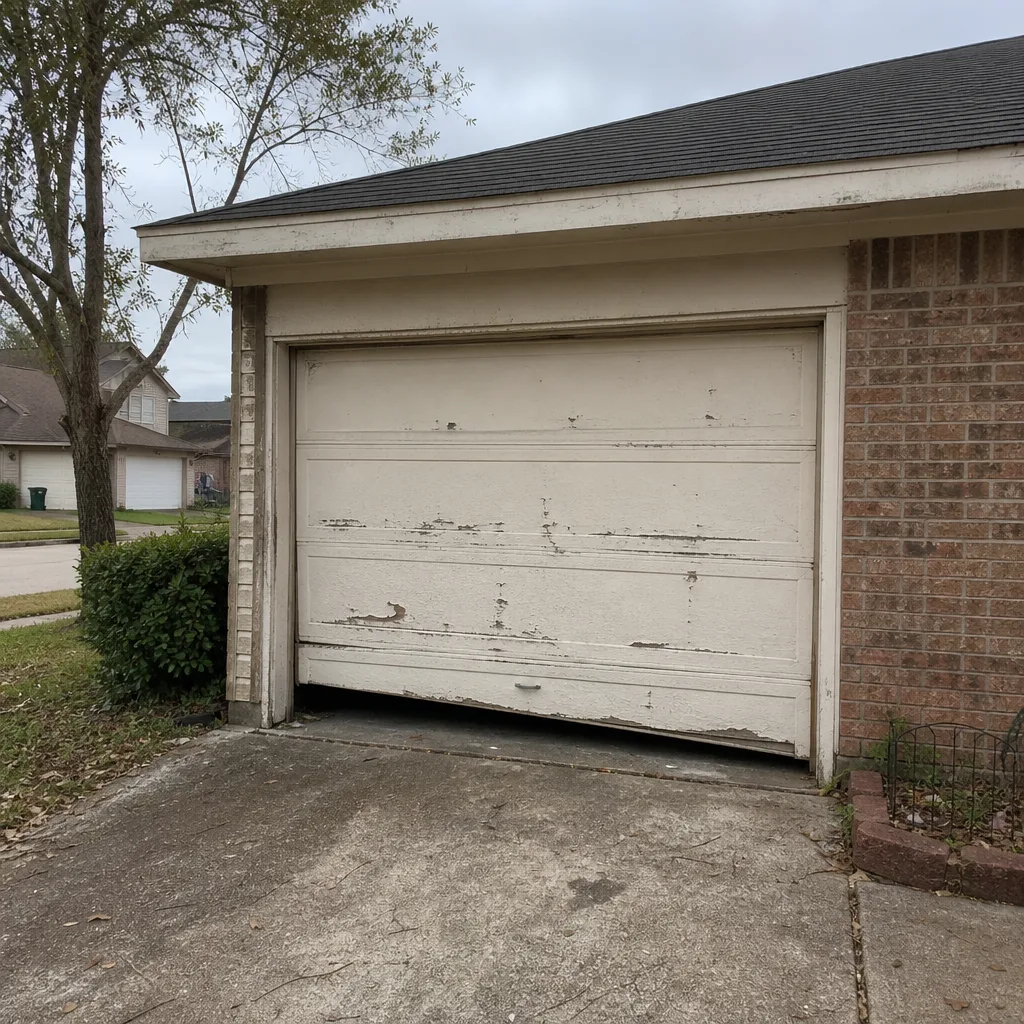 Before
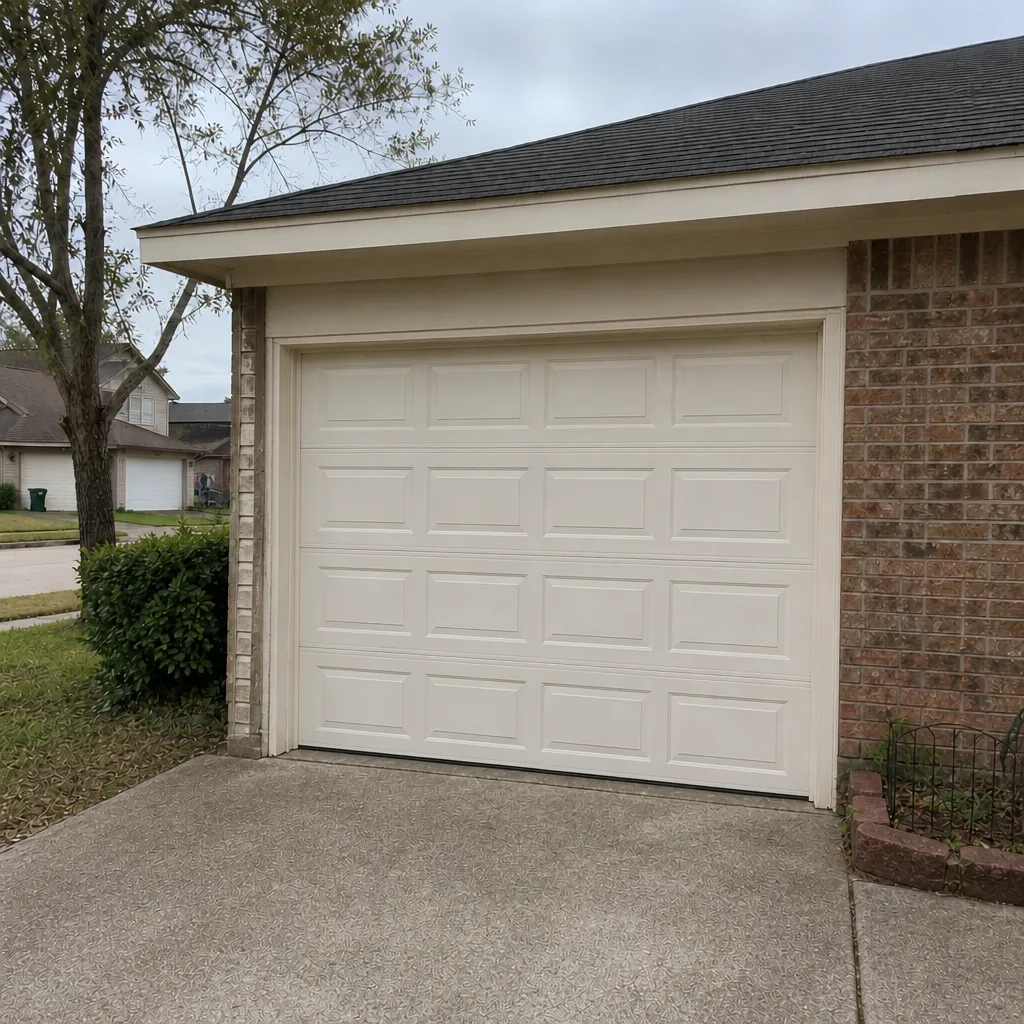 After
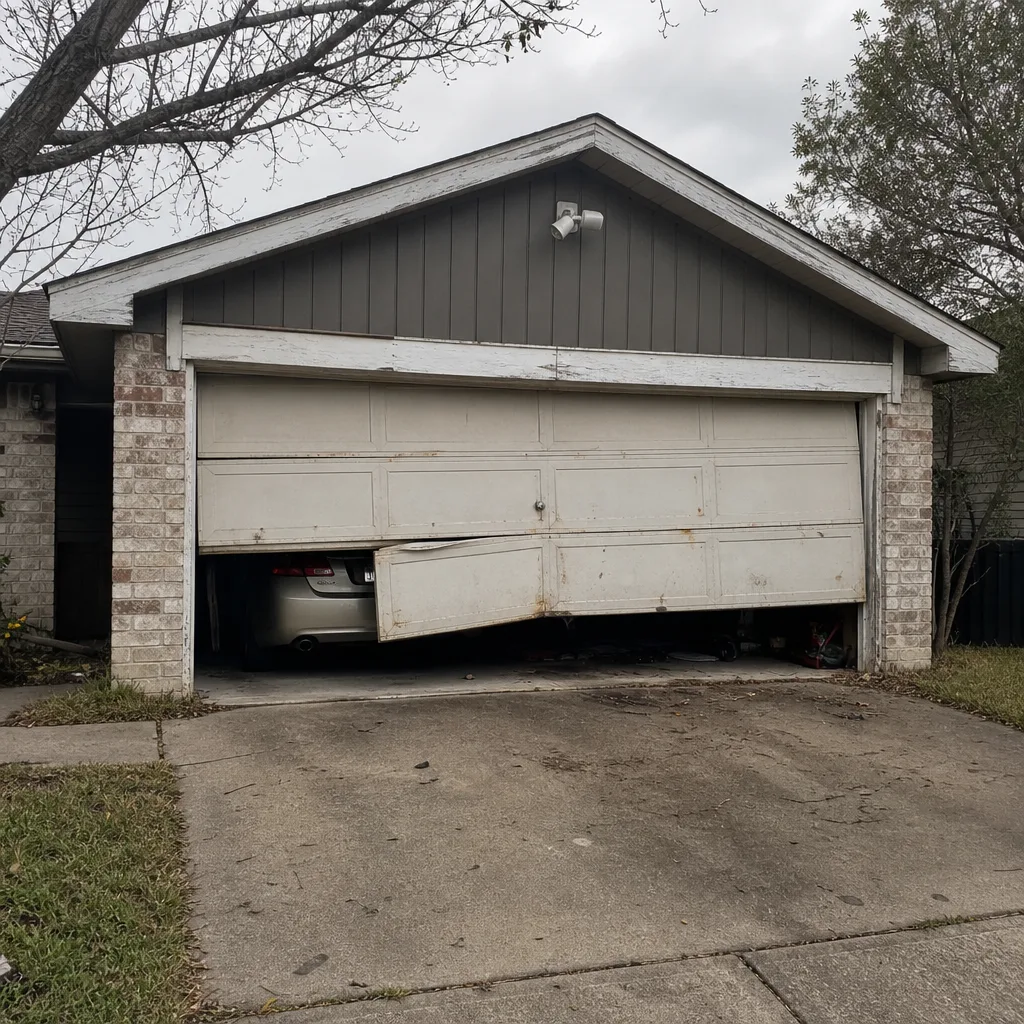 Before
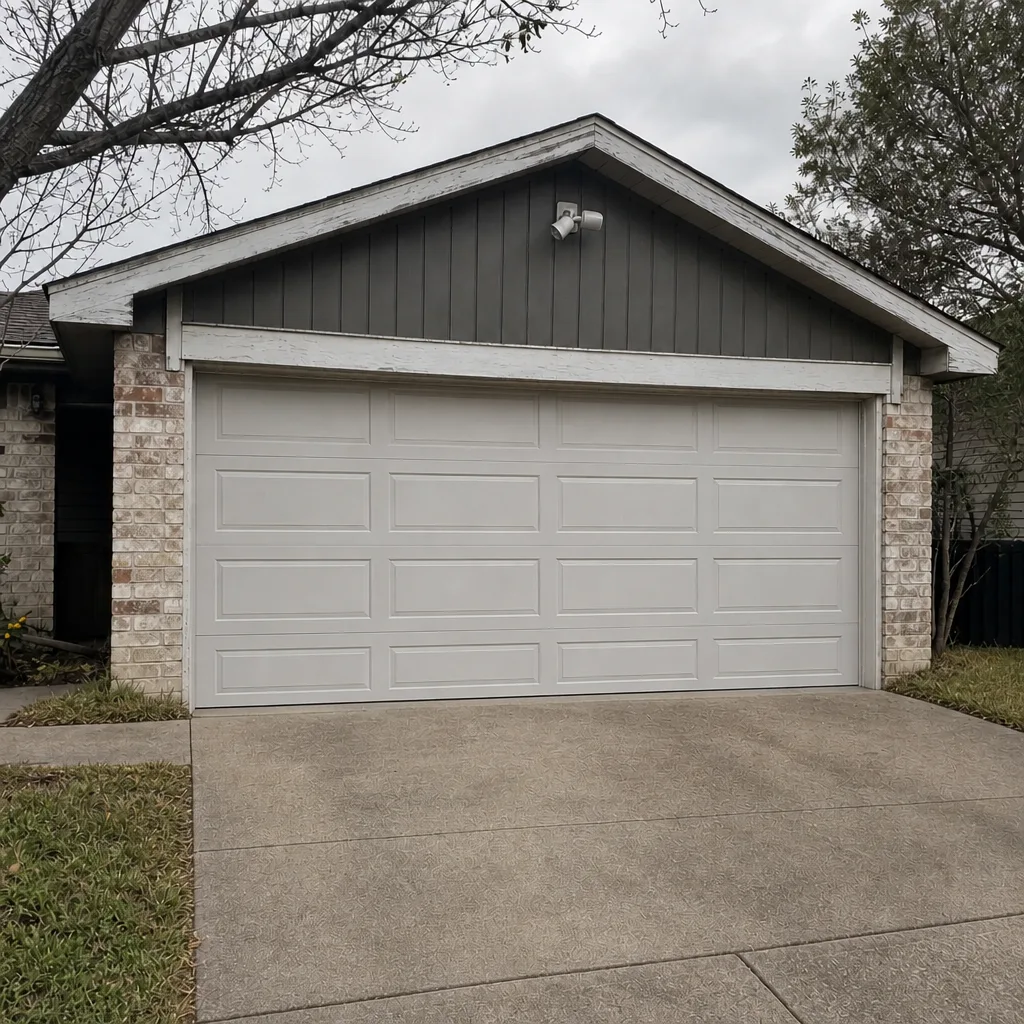 After
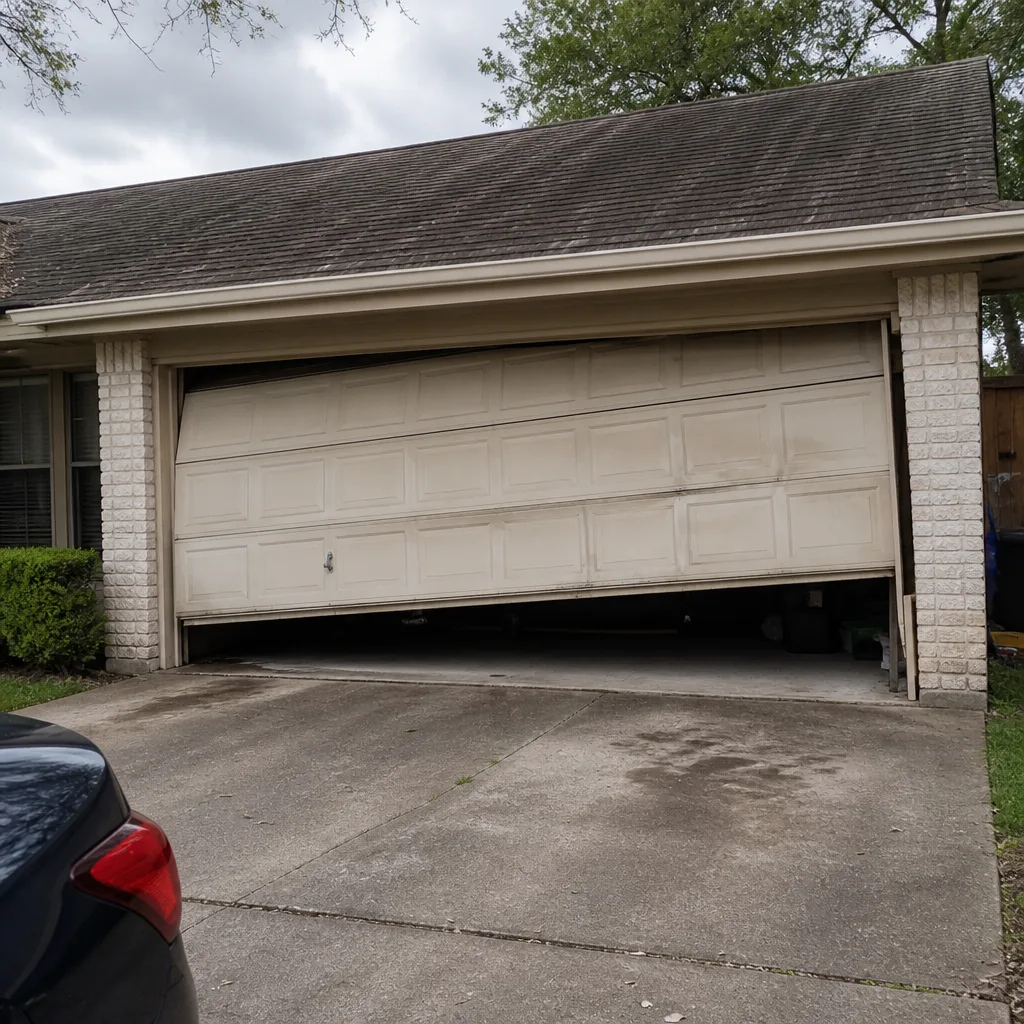 Before
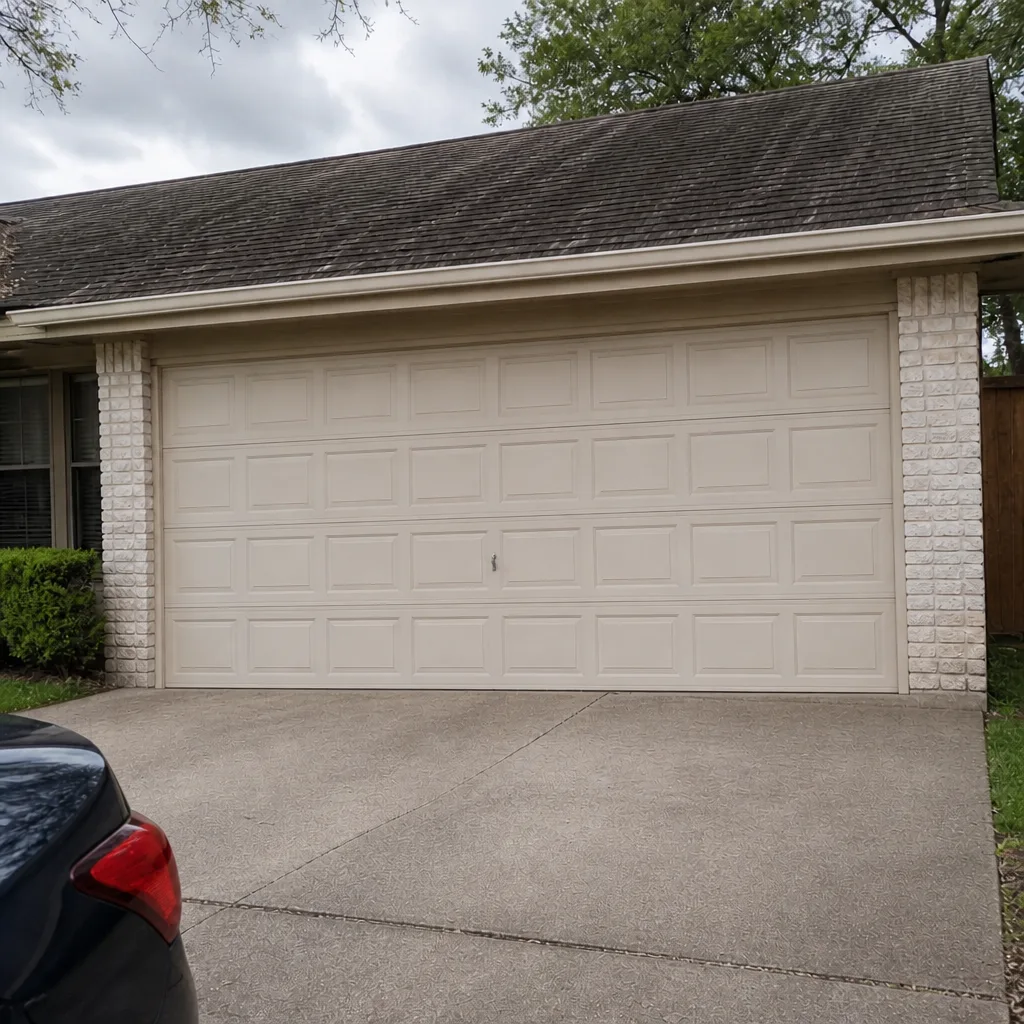 After
Frequently Asked Questions
A visible gap in the torsion spring coil or a loud bang from the garage is the clearest sign a spring has broken. Before that, a door that feels unusually heavy when lifted by hand – or one that won’t stay up when you let go halfway – points at a spring losing tension. Either way, stop using the door and call for an estimate. Call (866) 651-6896 for an exact quote.
It depends on the brand. On LiftMaster and Chamberlain units, a hesitation usually points at travel limits, sensor alignment, or the logic board. On Genie screw-drive systems, it’s more often mechanical, and on older Craftsman units the internal gear assembly is a common culprit. A hesitation that’s new and getting worse is worth a diagnostic. Call (866) 651-6896 – estimates are free.
Humidity is the reason. Steel rollers with worn bearings get sticky in heavy air, weatherseals tack to the warm slab, and panel seams hold moisture. A door that runs quietly in cooler months and grinds in July is usually telling you the rollers and seal are due, not that the opener is failing. Call (866) 651-6896 to have it looked at.
A door that needs adjustment still works and the symptoms are consistent – same noise, same point in travel, same slight gap. A door that’s unsafe won’t hold at waist height when lifted, hangs crooked, has a frayed cable, or doesn’t reverse on an obstruction. If you’re seeing any of the second set, stop using it. Call (866) 651-6896 and we’ll tell you which category you’re in.
Yes. If one spring on a two-spring door fails, the remaining spring carries double the load, and the opener works much harder than it was designed to. That strain adds up on the motor and drive system. Stop using the door once you know a spring is broken. Call (866) 651-6896 for a free estimate.
Replace it. A cracked or flattened seal lets moisture into the garage, and in League City’s humid months that moisture accelerates rust at panel seams and softens wood or composite bottom sections. It’s an inexpensive part compared to the problems it prevents. Call (866) 651-6896 to have it measured and priced.
Common Mistakes to Avoid
- Treating every symptom as an emergency. A squeaking roller and a broken spring aren’t in the same category. Sorting them correctly saves you from paying for urgent work on a watch-and-wait item.
- Ignoring a slow change. The most expensive repairs usually start as something that got a little worse every week. If you can hear the difference between this month and last month, note it and get it looked at.
- Adjusting a spring yourself. Springs are under extreme tension even when the door is down. This is not a weekend project, and the risk is genuine injury, not a scratched door.
- Testing the safety reverse with your body. Use a roll of paper towels. Test with the door in view. Never test with a person or pet underneath.
- Bending a bent track back by hand. A track that’s been pushed back into place by eye will still wear the rollers unevenly. The geometry matters.
- Assuming the opener is the problem. On a Wayne Dalton or Amarr door, a binding torsion system can make the opener strain and sound like the fault is in the motor. Diagnosing the door before the opener prevents replacing a part that wasn’t broken.
- Letting humidity damage sit through the summer. Rust streaks and swelling bottom panels get worse, not better, as the season wears on. Addressing them early keeps the fix small.
- Letting a door hang open after a failure. A door that won’t close leaves your home accessible and your car trapped. That’s the scenario our emergency service exists for – We answer 24/7, and fast dispatch runs from 7am to 7pm, Sunday through Friday.
The Bottom Line
The warning signs that matter most are the quiet ones – a door that’s slightly slower, a seam that’s starting to streak, a roller that squeaks in the same spot every time. Learn what those symptoms mean for your specific brand, watch them monthly, and sort them into watch-and-wait versus stop-now. Springs, cables, and a crooked door go in the stop-now bucket without exception. Everything else you can schedule. If you’re unsure which side of the line you’re on, the call is free and the answer is direct. If you need a full replacement rather than a repair, our League City Garage Door Repair Pros team handles installation across the leading door brands too.
Written by the team at League City Garage Door Repair Pros.