
Last updated November 21, 2026
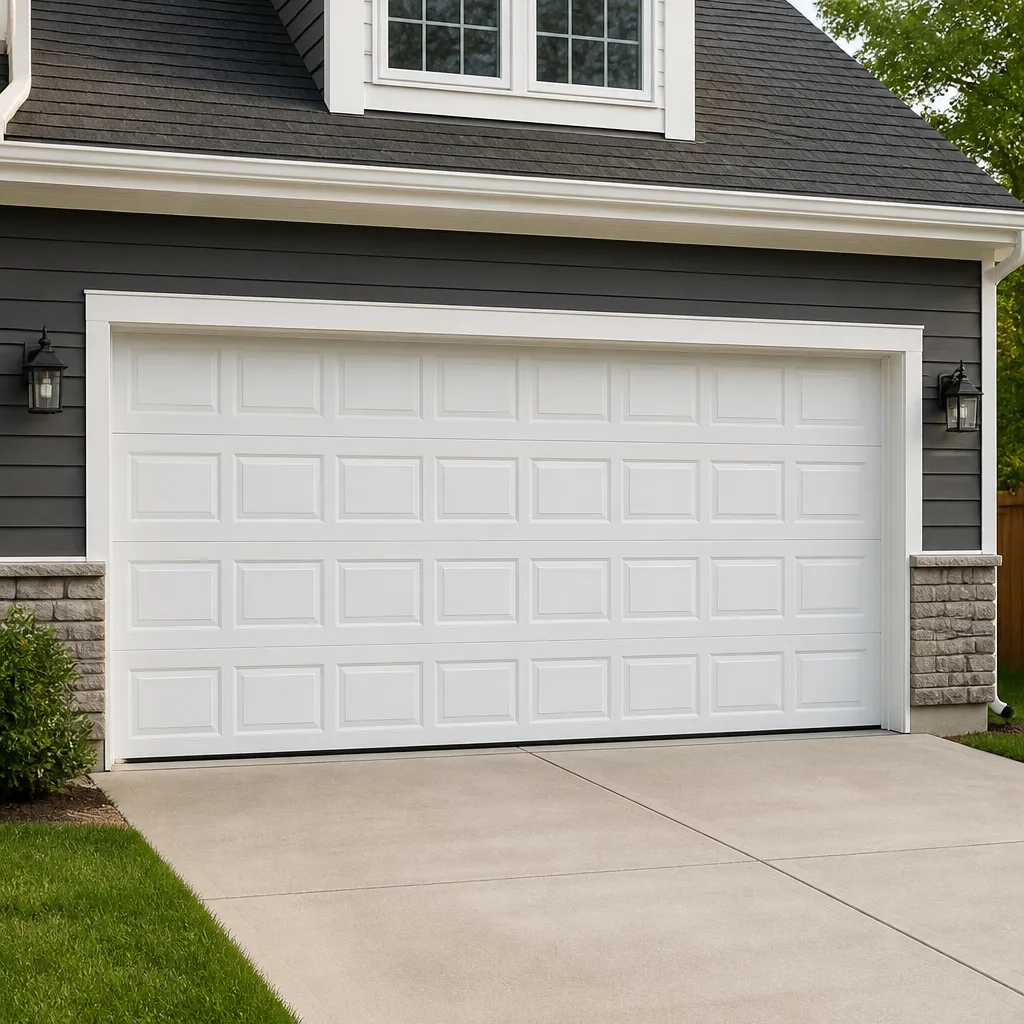 Raised-panel steel
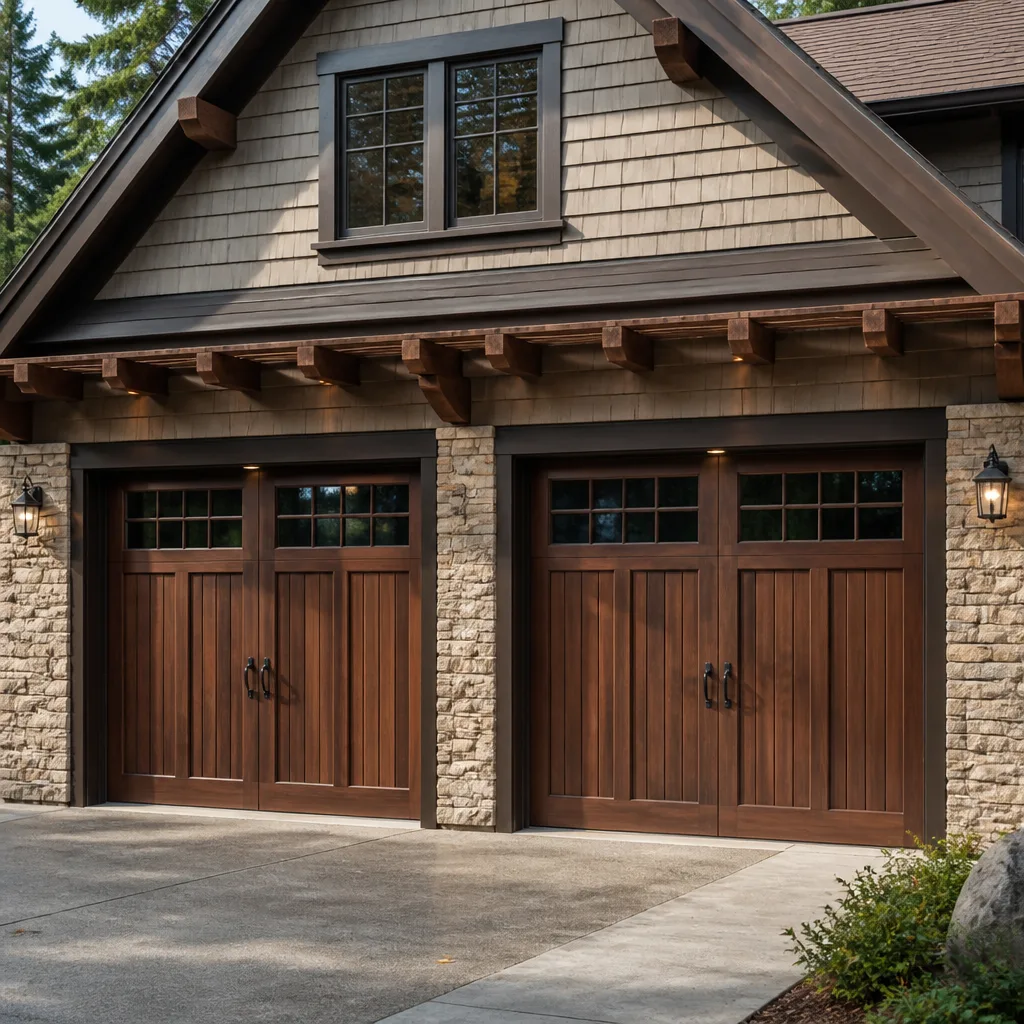 Carriage house
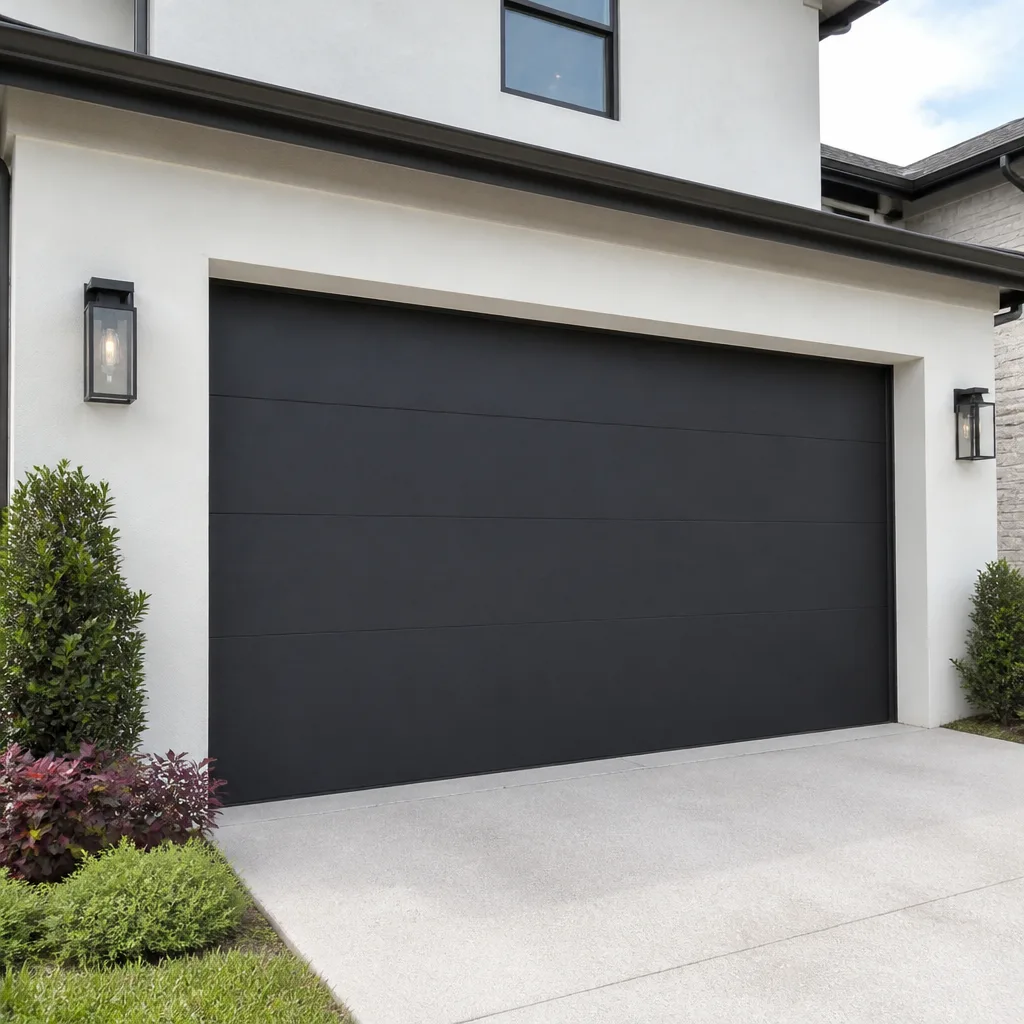 Modern flush
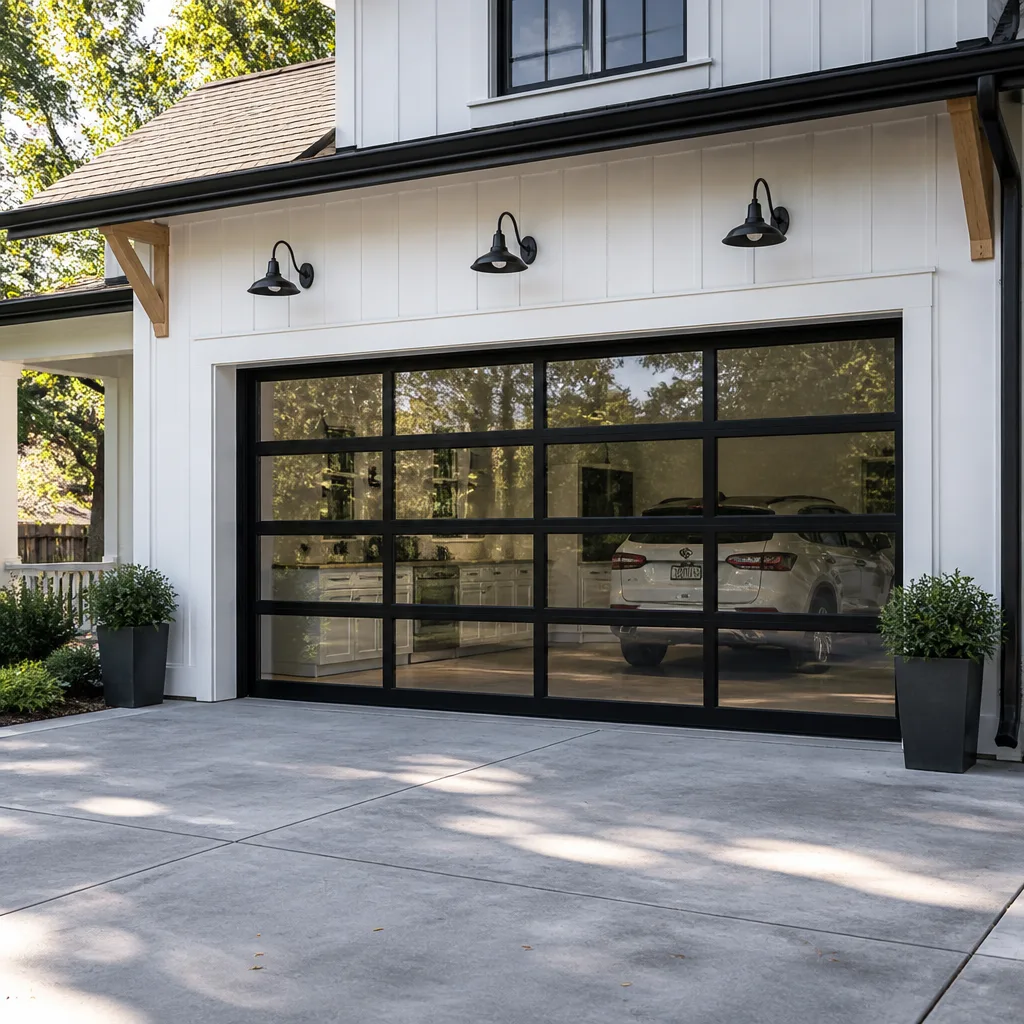 Full-view glass
 LiftMaster openers
 Chamberlain openers
Full 25-point door and opener safety check with every visit - springs, cables, rollers, tracks, and your LiftMaster or Chamberlain opener included
You get a price before we start. It does not change when the pro arrives.
Get your free estimateDIY vs Professional Garage Door: The League City Homeowner’s Decision Guide
Torsion springs store enough energy to break a wrist or take out a windshield when they release. That’s not a liability disclaimer, it’s physics. And it’s the one garage door job where the DIY math almost never works out in your favor. Yet every week, homeowners in League City pull up a video, buy a pair of winding bars, and convince themselves the job is simpler than it looks. Sometimes they’re right. Replacing a bottom weatherseal really is a Saturday morning task. Replacing a torsion spring is not. This guide draws the line between the two, task by task, so you know exactly which jobs are safe to handle and which ones deserve a trained technician.
Quick Answer
About 70% of garage door problems are DIY-friendly maintenance or adjustment tasks, while spring work, cable replacement, and opener electrical diagnostics need a trained technician. The dividing line isn’t your skill level. It’s which specific component is involved. Weatherseals, lubrication, and visual safety inspections are homeowner-safe. Torsion springs, extension spring replacement, and any work inside an opener’s electrical housing carry real injury risk and should go to a professional in League City.
Styles & brands we work with
- Raised-panel steel
- Carriage house
- Modern flush
- Full-view glass
- LiftMaster openers
- Chamberlain openers
Table of Contents
- The Task-by-Task Breakdown: What’s DIY-Safe and What Isn’t
- Why Springs Are Different: The Physics Behind the Warning
- The Hidden Cost of a DIY Mistake
- The Tools Math: What You’d Buy vs. What a Technician Arrives With
- Humidity, Fasteners, and Why League City Doors Seize
- The DIY Maintenance Routine That Actually Extends Door Life
- DIY vs Professional: What Each Path Really Costs
- When to Stop and Pick Up the Phone
The Task-by-Task Breakdown: What’s DIY-Safe and What Isn’t
Most garage door advice online treats the whole system as one thing. It isn’t. A sectional door is a mechanical assembly with a dozen distinct subsystems, and each one has a different risk profile. Here’s the honest breakdown we give homeowners who ask whether they should try a repair themselves.
DIY-Safe Tasks
- Replacing bottom weatherseals: The rubber strip along the bottom edge wears out and lets in rain and pests. It slides out of its retainer and a new one slides in. No tension, no spring energy, no electrical work.
- Lubricating hinges, rollers, and tracks: A garage door lubricant spray applied to the hinge pivot points and roller stems extends component life and quiets noise. Keep it off the tracks themselves.
- Tightening loose hinge and bracket bolts: Vibration loosens fasteners over time. A socket wrench and five minutes solve most rattle complaints.
- Replacing opener remote batteries and reprogramming remotes: Follow the opener manual. Chamberlain and Genie models both have straightforward remote-pairing procedures.
- Cleaning photo-eye lenses: A dirty safety sensor is one of the most common “my door won’t close” causes. A soft cloth fixes it.
- Visual safety inspections: Standing outside the door and looking for sagging panels, frayed cables, or a door that isn’t level.
Not DIY-Safe
- Torsion spring replacement: The spring above the door is under extreme tension even when the door is fully open. Releasing that tension incorrectly can cause serious injury.
- Extension spring replacement: These side-mounted springs also store dangerous energy and require specific lifting and safety-cable procedures.
- Cable replacement: Cables are under spring tension and can whip when they snap or slip. This is a two-technician job in most cases.
- Opener electrical diagnostics and capacitor replacement: Working inside an opener’s housing means live electrical components. Diagnostics belong to a technician with a meter and the schematic.
- Track realignment after impact: A bent track that looks fixable with a hammer usually needs replacement, and forcing it can throw the door off its rollers.
- Panel replacement on a pressurized system: Swapping a damaged section on a door with active spring tension requires controlled de-tensioning first.
If you’re reading that second list and thinking “I’ve done harder things around the house,” you probably have. The difference is that a mistake on a plumbing repair floods a cabinet. A mistake on a torsion spring can put you in the emergency room. That’s the whole reason spring work sits on the professional side of the line. If you’ve already got a snapped spring, our garage door spring repair page walks through what the repair actually involves.
Why Springs Are Different: The Physics Behind the Warning
A torsion spring on a standard residential door holds enough stored energy to lift a small car. That energy is what counterbalances the weight of the door so a 15-pound pull lifts a 150-pound panel. When the spring is healthy, that energy is controlled. When it’s not, it releases all at once.
Here’s what most homeowners don’t realize: the spring is under maximum tension when the door is down, not up. Videos that show people “loosening” a spring on a closed door are showing the most dangerous possible starting condition. A professional technician’s first move on a spring replacement is to raise the door and lock it in place, then carefully wind down the remaining tension in a controlled sequence using proper winding bars.
That’s not a liability disclaimer. That’s the actual sequence of a safe repair, and it takes specific tools, a specific technique, and the judgment to know when a spring is close enough to failure that even opening the door is risky.
Signs Your Spring Is Already Failing
- The door feels unusually heavy when you lift it by hand (test only with the door disconnected from the opener, and only if you can lift it safely).
- You hear a loud bang from the garage, often followed by the door becoming impossible to lift.
- The door opens a few inches and stops, or the opener runs but the door doesn’t move.
- You can see a visible gap in the torsion spring coil.
- The door slams down instead of lowering smoothly.
If any of those apply, stop using the door. A door with a broken spring puts all the weight on the opener, which will burn out the motor if it keeps trying. Call a technician before you make a small repair into a large one. Our garage door repair service handles spring and cable work as a standard part of the menu, not an add-on.
The Hidden Cost of a DIY Mistake
The math on a DIY repair looks simple: parts cost less than a pro repair. The math on a DIY mistake is harder to see, because the costs show up weeks or months later, and they compound.
Voided Opener Warranties
Most opener manufacturers warranty against defects, not against installer error or force adjustment outside spec. If you replace a Clopay door panel and the door is now heavier than the opener’s force setting expects, running that opener to failure is a warranty matter the manufacturer can decline. Same story with an Amarr door or any other branded system. The installer’s workmanship is what stands behind the opener, and a homeowner-installed component leaves you with no workmanship coverage at all.
Misaligned Tracks
A track that’s out of alignment by a quarter inch will let the door bind, wear the rollers unevenly, and eventually drag on the opener. Forcing a bent track back into position with a hammer or a pry bar often bends it worse. Realignment is a job for a technician with a level and the right replacement section, not a hammer and hope.
The Callback Repair That Costs More Than the Original Pro Job
Every professional garage door technician has a version of this story: homeowner replaces one extension spring to save money, the paired spring fails three weeks later, the door goes out of balance, the opener force setting gets changed to compensate, the opener burns out, and now the bill covers two springs, an opener, and a balance adjustment. That chain reaction is why matched pairs get replaced together. A single spring replacement almost always turns into a callback.
Injury Costs
We say it plainly because it matters: spring and cable injuries happen in home garages every year, and the cost of a hand injury goes well past the copay. Lost work time, rehabilitation, and a wrist that never quite comes back. That’s the cost that never makes it into the DIY forum thread.
The Tools Math: What You’d Buy vs. What a Technician Arrives With
A single job is the worst possible time to buy tools. If you need a specific wrench, socket, or winding bar once, you’re paying full price for something that gathers dust. A technician arrives with the tools already in the van and the experience to use them.
What a Homeowner Would Need to Buy for a Typical Spring Job
- Two professional winding bars (not screwdrivers – that’s a common and dangerous shortcut)
- A socket and wrench set sized for the spring anchor and set screws
- C-clamps or locking pliers to hold the door in place during the repair
- A ladder rated for the working height above the door
- Safety glasses and heavy work gloves at minimum
- An impact driver or breaker bar for the anchor bolts, which are often seized after years of humidity (see the League City section below)
That’s a real shopping list, and the cheap versions of most of these won’t get you through a proper job. Add up the total once and it starts to look a lot like what a professional spring repair costs, except you walked away without the repair, the guarantee, or the certainty it was done right.
What a Technician Brings to a League City Job
- Brand-specific knowledge for your door and opener (LiftMaster, Chamberlain, Genie, Clopay, Amarr, Wayne Dalton, Craftsman, or Raynor)
- Impact tools for seized fasteners
- Matching spring sets and correct-tension parts for your door weight
- A force gauge and balance test to verify the door is correctly set up after the repair
- Safety gear and the trained judgment to know when a job has become more than a spring replacement
The technician’s advantage isn’t that they own a wrench. It’s that they own the right wrench for your specific system, and they’ve already seen your failure mode dozens of times. That’s the difference between a repair and a hope.
Humidity, Fasteners, and Why League City Doors Seize
League City sits in a stretch of the Texas Gulf Coast area known for its humidity, and that shows up on every garage door in the area. Metal fasteners, weatherstripping, and hinge pivot points all live in a slow, steady dampness that most of the country doesn’t have to plan around. The practical effect on a DIY repair is real.
Fasteners Corrode Faster Here
Bolts and set screws that would loosen easily in a drier climate often seize in a League City garage after a few years. A homeowner starts a “simple” panel replacement, gets to a bolt, rounds the head because the bolt won’t turn, and now the door has to be removed rather than adjusted. A technician arrives with an impact driver, penetrating oil, and the experience to know when to stop turning and start soaking.
Weatherseals Wear Faster
Rubber bottom seals and side seals degrade quicker in a humid climate. Replacing them is one of the few genuinely homeowner-friendly tasks, and it’s worth doing every few years to keep out moisture, insects, and drafts. That’s the job where the DIY math actually works.
Springs, Cables, and Rollers Age Differently
Corroded springs fail differently than clean ones. They can develop visible rust before they snap, and that rust is a warning sign worth taking seriously. Same for rollers, which start to grind when their bearings go. If you see rust or hear grinding, don’t keep running the door to see if it clears up. The best case is a louder noise. The realistic case is a bigger repair bill.
High humidity also means your opener’s circuit board sits in a damper environment than most, and while we don’t blame every opener failure on humidity, we do see more opened-up, corroded connections here than in drier markets. When the opener starts acting up, that’s usually the point to call us rather than dismantle it. Our garage door opener repair service covers diagnostics and circuit-level troubleshooting on the major brands.
The DIY Maintenance Routine That Actually Extends Door Life
You can meaningfully extend the life of your door with about 20 minutes of work, two or three times a year. None of these tasks involve stored spring energy or electrical work, so they’re genuinely safe for a homeowner to do. Here’s the routine we recommend to League City homeowners:
- Lubricate hinges and rollers: Spray garage door lubricant into each hinge pivot and roller stem. Don’t lubricate the tracks themselves – that actually attracts grit, which wears the rollers faster.
- Tighten loose bolts: Check the hinge bolts, the bracket bolts on the wall, and the track bolts. A loose bracket is one of the most common sources of rattling and misalignment over time.
- Inspect the bottom weatherseal: Feel for cracks, tears, or sections that no longer seal against the floor. Replace when you find them.
- Clean the photo-eye lenses: Wipe the safety sensors on each side of the bottom of the track. A dirty sensor is a leading cause of “the door won’t close” calls.
- Test the auto-reverse: Place a roll of paper towels or a piece of wood flat on the floor under the door and close it. The door should reverse on contact. If it doesn’t, the opener needs adjustment.
- Look at the springs: Note any visible rust, gaps, or unusual sag. Don’t touch. If something looks wrong, call a technician.
- Listen for new noises: Grinding, squealing, or popping is information. It’s telling you what’s about to fail. Write it down and mention it when you call.
That routine will catch most failing components before they break. It won’t stop every failure, but it turns “the door just stopped working” into “the door has been grinding for two weeks and I ignored it,” which is a way easier repair to schedule.
DIY vs Professional: What Each Path Really Costs
We don’t pay to publish made-up numbers, so instead of a fake price sheet we’ll give you the honest comparison framework. Every repair is quoted per job by a written estimate, and the estimate is the price. Here’s how to think about it side by side.
True Cost of a DIY Job
- Parts (spring or seal or panel)
- Tools you don’t own and won’t use again
- Your time, which is worth whatever your weekend is worth
- The risk of a callback repair if the job isn’t done correctly
- The risk of injury if a spring or cable job goes wrong
- Any warranty coverage you lose by doing the work yourself
True Cost of a Professional Repair
- The written estimate (quoted and agreed before any work starts)
- That’s it. The price is set before the technician starts. It doesn’t move unless you approve the change.
When you line those two columns up honestly, most homeowners realize the professional repair is cheaper as soon as the job involves anything on the not-DIY-safe list. It’s only when the job is weatherseal replacement or hinge lubrication that DIY genuinely saves money, and that’s because those are tasks a technician would love to do for you, but you don’t need us for them.
When to Stop and Pick Up the Phone
Here’s the honest list. If any of these apply, stop working and call a professional:
- You’re looking at a torsion spring or extension spring
- The door is uneven, off its tracks, or leaning to one side
- You hear a snap, bang, or pop
- The opener runs but the door doesn’t move
- The door won’t close all the way, and the problem isn’t a dirty sensor
- You’ve tried the same repair once and it didn’t hold
- You need to lift the door by hand and it feels heavy
- You’re about to remove a panel, a cable, or anything attached to the spring system
If you’re not certain which side of the line you’re on, the safe answer is to call. We’d rather talk you out of an unnecessary repair than hear about an injury. Same-day service is available for urgent issues, and our League City garage door repair pros cover the full system: springs, cables, tracks, panels, and openers.
Common Mistakes to Avoid
- Using screwdrivers instead of winding bars on a spring: They slip out under load. That’s the specific failure mode behind most home garage door injuries, and it’s the reason everyone outside the DIY forum says to call a pro.
- Replacing one spring when the pair is worn out: Matched springs are usually installed together and wear at the same rate. When one goes, the other is close behind. Expect a callback if you only replace one.
- Forcing a bent track back into place: A track that looks fixable with a hammer is usually bent beyond recovery. Forcing it puts the door at risk of coming off its rollers and crushing whatever’s underneath, including you.
- Adjusting opener force to compensate for a heavier door: If the door is heavier than it should be, the spring is failing. Turning up the opener’s force setting to compensate is the fix that eats the opener motor instead of solving the actual problem.
- Ignoring the warning signs of a failing spring: Rust, visible gaps, and a door that’s suddenly heavier aren’t cosmetic issues. They’re the warning before the failure, and the cheap repair is the one that happens in that window.
- Doing the job without telling anyone you’re doing it: If a spring lets go while you’re alone in the garage, the nearest person who can help is on the other side of the house. Tell someone you’re working on the door, and don’t work alone on spring or cable jobs.
- Buying generic parts for a branded opener: Genie, Chamberlain, LiftMaster, Craftsman, and the other major brands all have specific compatible parts. Generic parts that “fit” often don’t function correctly and can damage the opener over time.
See the difference
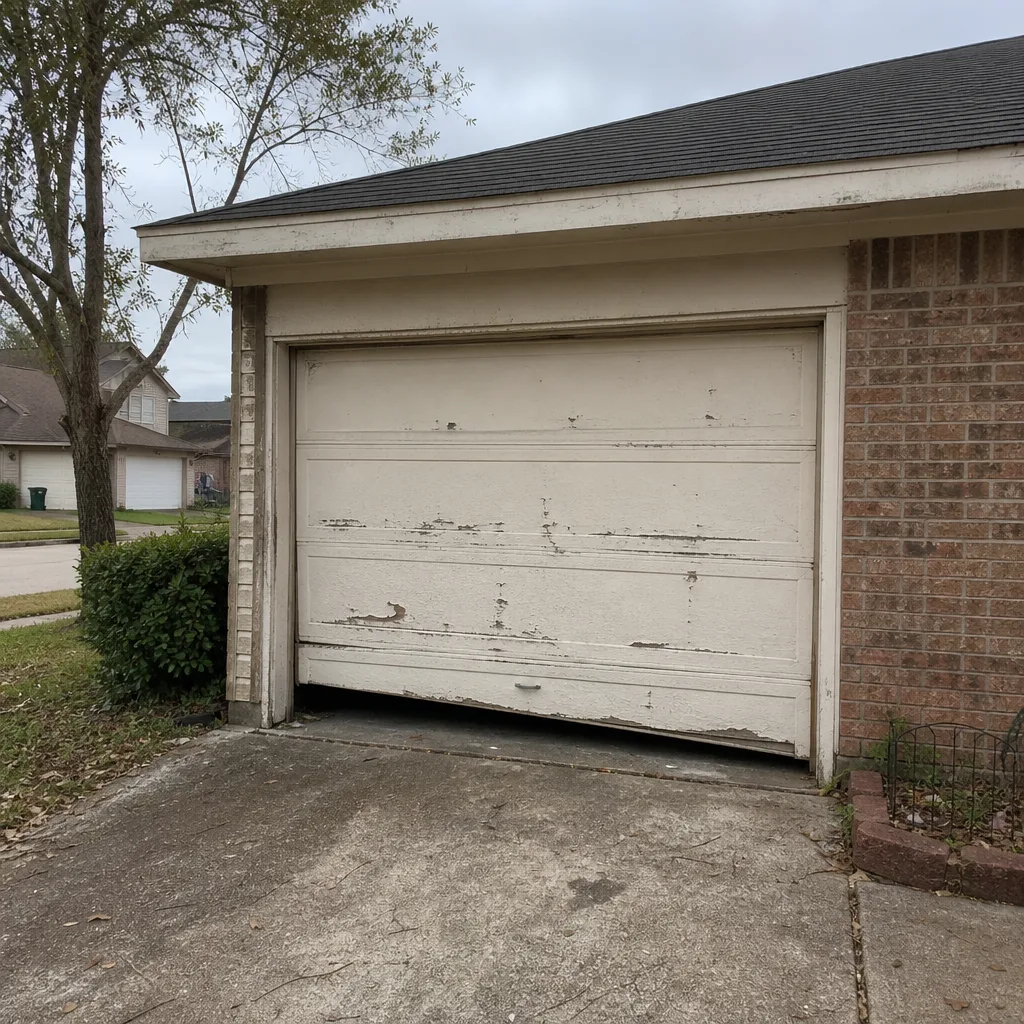 Before
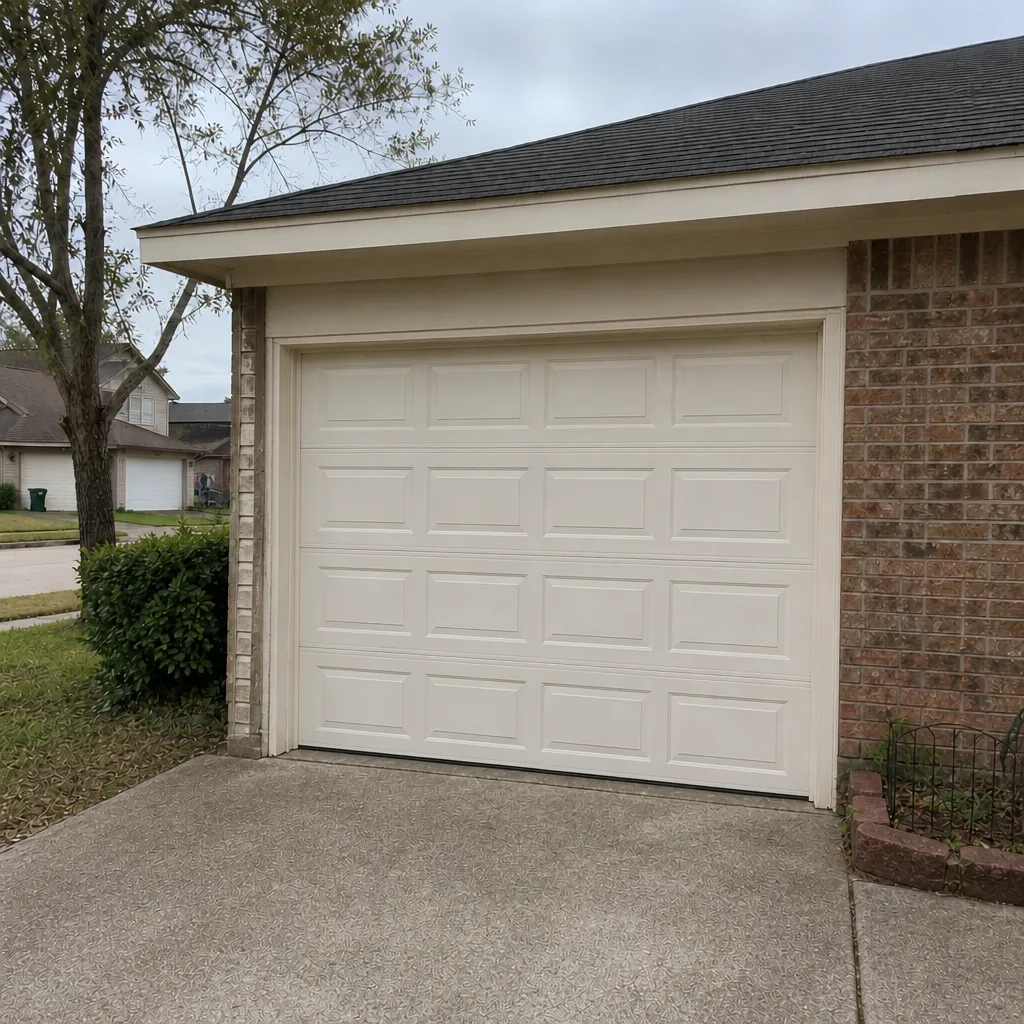 After
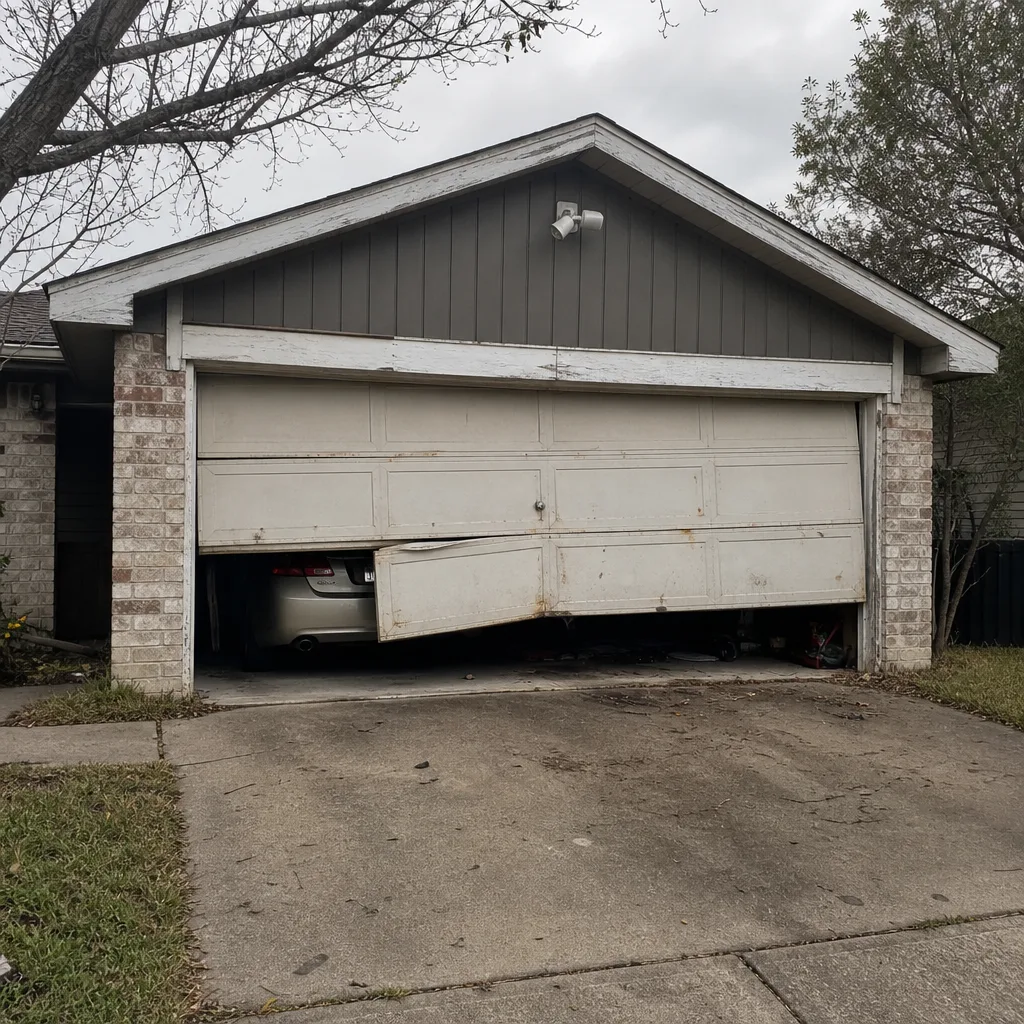 Before
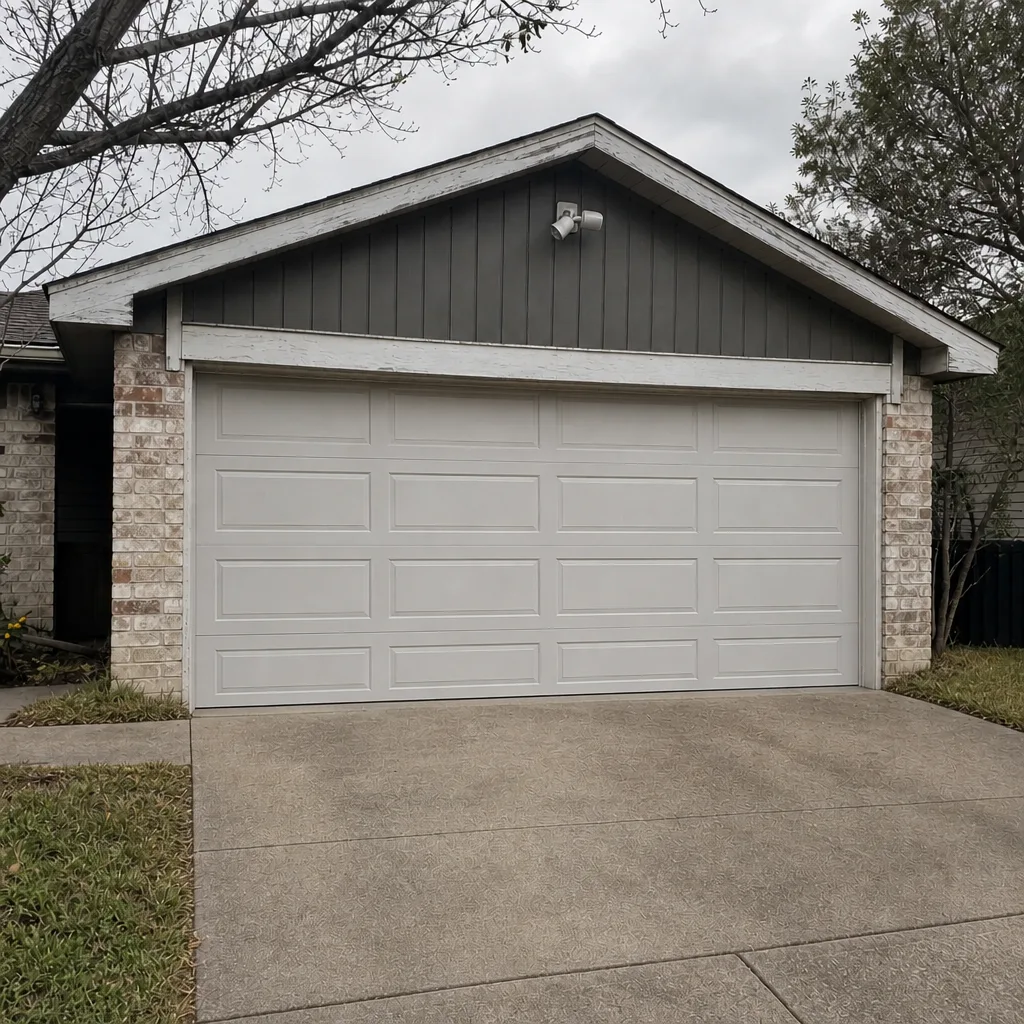 After
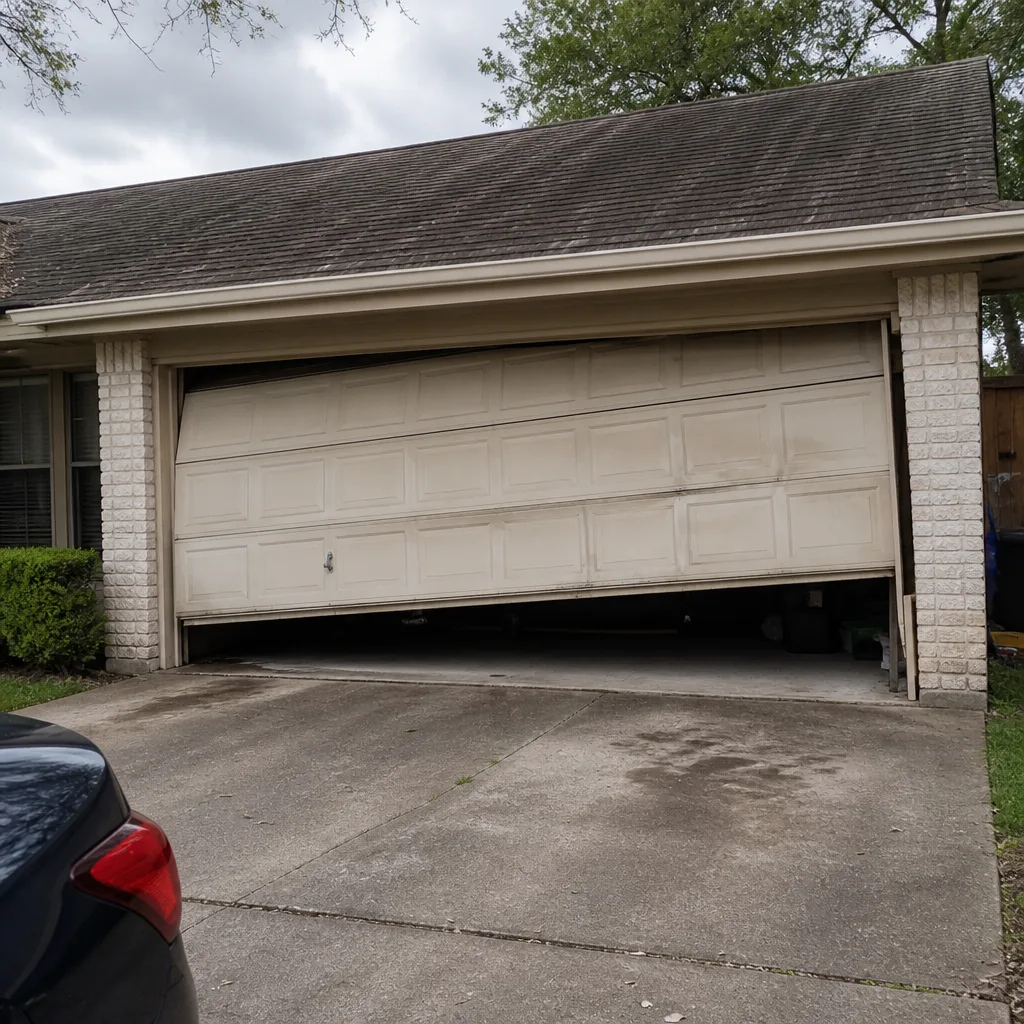 Before
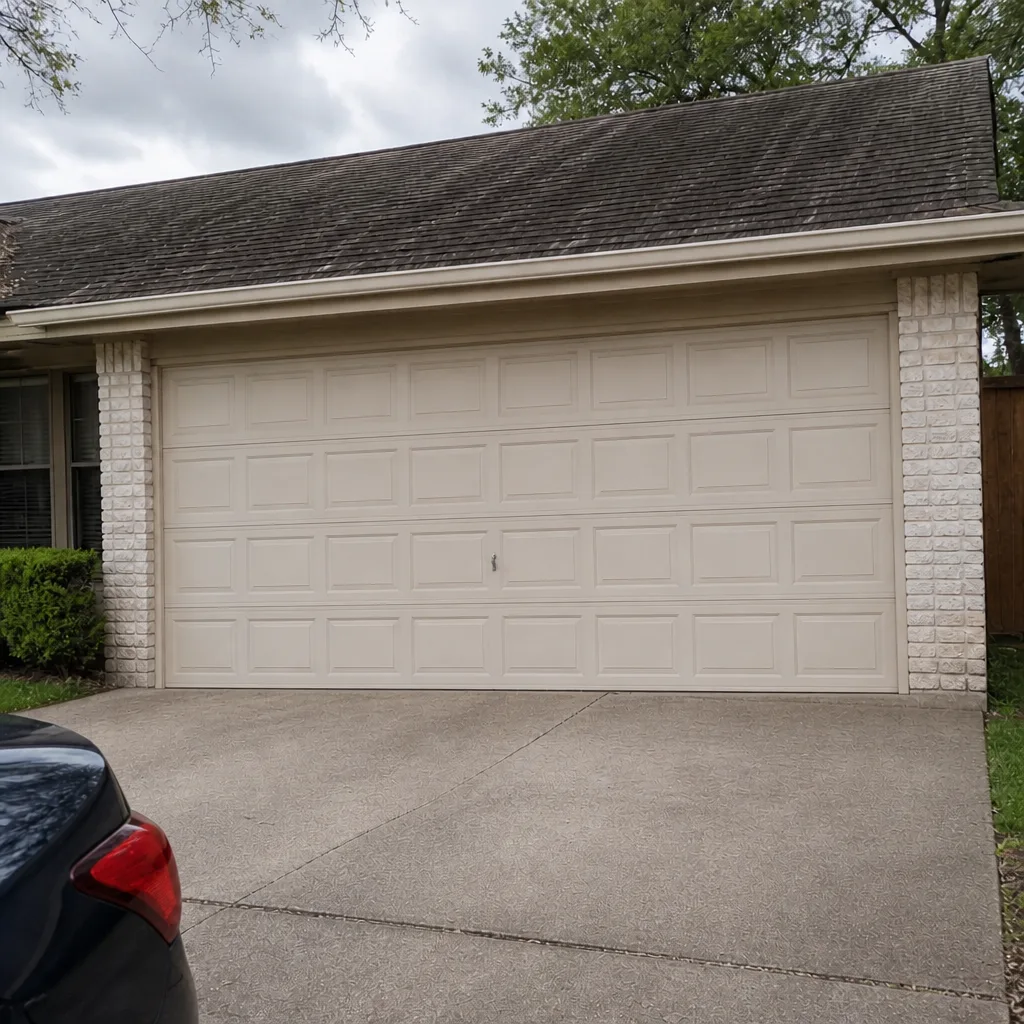 After
When to Call a Professional
Call a professional if any of the following is true. First, you’re working with anything under spring tension. Second, the door has come off its track or is visibly bent. Third, you’ve already tried the repair once and the problem has come back. Fourth, the opener runs but doesn’t move the door, and the behavior isn’t explained by a dirty safety sensor. Fifth, you’re seeing rust on a spring or hearing a grinding noise that’s new this month. Sixth, you simply don’t feel confident and you don’t want to risk it. That’s a good enough reason on its own. League City Garage Door Repair Pros offers free estimates in League City – call (866) 651-6896. We answer 24/7, and fast dispatch from 7am to 7pm means we can get to a broken door the same day. Our technicians have up to 15 years of experience, and they arrive trained on the eight major brands most homes here have: LiftMaster, Chamberlain, Genie, Clopay, Amarr, Wayne Dalton, Craftsman, and Raynor. The estimate is free, the price is quoted and agreed before any work starts, and if the job turns out to be smaller than you feared, the estimate gets smaller too.
Frequently Asked Questions
No, not safely. Torsion and extension springs hold enough stored energy to cause serious injury, and the tools, technique, and matched-pair parts needed aren’t something a homeowner can reasonably handle with a YouTube video. Even experienced home-repair people call this one in. Call (866) 651-6896 for a free estimate – we can usually schedule spring repair the same day.
Weatherseal replacement, lubrication, cleaning the safety sensors, replacing remote batteries and reprogramming remotes, and tightening loose hinge bolts are all homeowner-safe. Anything involving springs, cables, opener electrical work, or track realignment needs a trained technician. If you’re on the fence, it’s cheaper to ask than to guess. Call (866) 651-6896 for a free consultation.
Humidity causes fasteners to corrode and seize, weatherseals to stiffen, and hinge points to drag. It’s a League City reality more than most of the country has to deal with. The fix is preventive: lubricate twice a year, replace weatherseals when they crack, and call us if a bolt refuses to turn without rounding. Call (866) 651-6896 if a humidity-related problem has already seized your door.
It can, yes. Most major brands – Chamberlain, Genie, LiftMaster, Craftsman and others – warrant against defects, not against homeowner-installed work, force-adjustment error, or damage caused by mismatched parts. If you replace a door component and the opener fails later, the manufacturer can decline the claim. Keep the work covered: call (866) 651-6896 for a free estimate on the actual repair.
For the DIY-safe jobs, you need a socket set, a screwdriver set, garage door lubricant, and the replacement weatherseal or bolts. For a spring job, the tool list includes winding bars, an impact driver, C-clamps, a rated ladder, and gloves and eye protection – and buying those for one job usually costs as much as the professional repair. Call (866) 651-6896 to skip the shopping and get the repair done.
Most spring, cable, and opener repairs are completed within one visit, usually within an hour or two on-site. A full door replacement is measured and ordered, so it’s scheduled rather than done same-day, but the estimate comes first and the price is set before work starts. Call (866) 651-6896 for a free written estimate on your specific job.
The Bottom Line
The DIY vs professional question isn’t really about skill. It’s about which specific task you’re doing. Weatherseals, lubrication, safety sensor cleaning, and hinge tightening genuinely extend door life and are safe to do yourself. Springs, cables, opener diagnostics, and track realignment carry real risk that no tutorial can eliminate. The tools math rarely works for a one-time spring job. The humidity in League City makes seized fasteners more likely than a homeowner expects. And a DIY mistake can void your opener warranty and lead to a callback repair that costs more than having the job done once, correctly, in the first place. Know the line. Do the maintenance. Call when it’s spring or cable work.
League City Garage Door Repair Pros handles spring repair, opener repair, full installation, and emergency service across the brands most homes here use. Free estimates, written pricing, and same-day service available for urgent issues. Call (866) 651-6896. We answer 24/7. Fast dispatch from 7am to 7pm, Sunday through Friday.
Written by the team at League City Garage Door Repair Pros.