
Last updated November 21, 2026
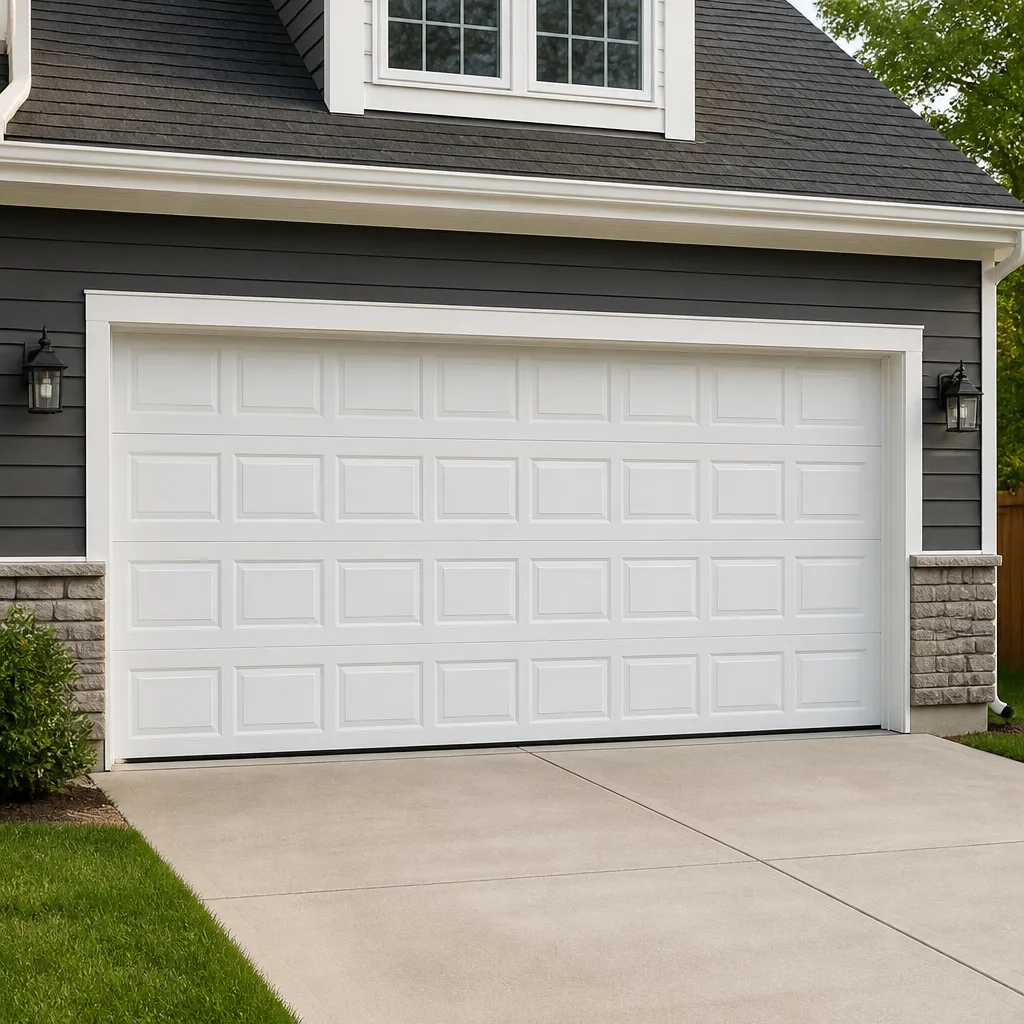 Raised-panel steel
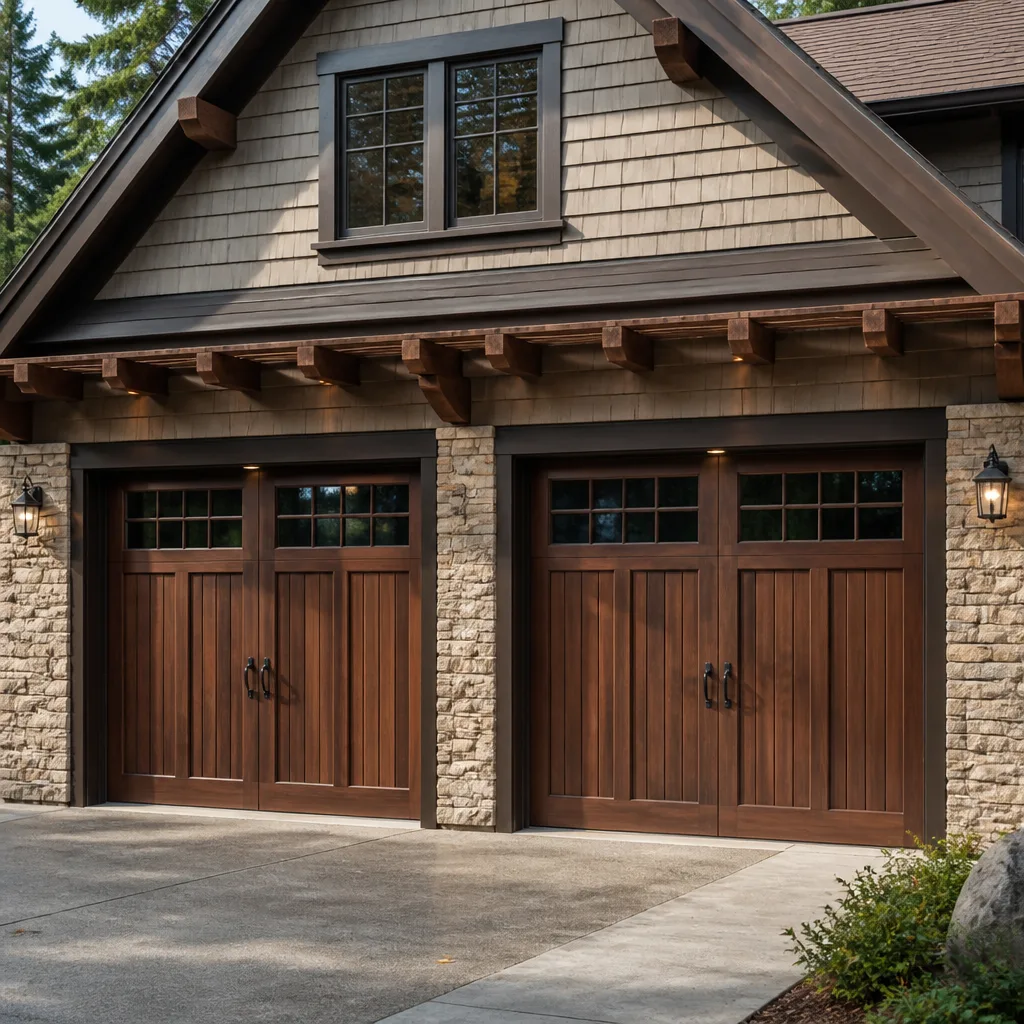 Carriage house
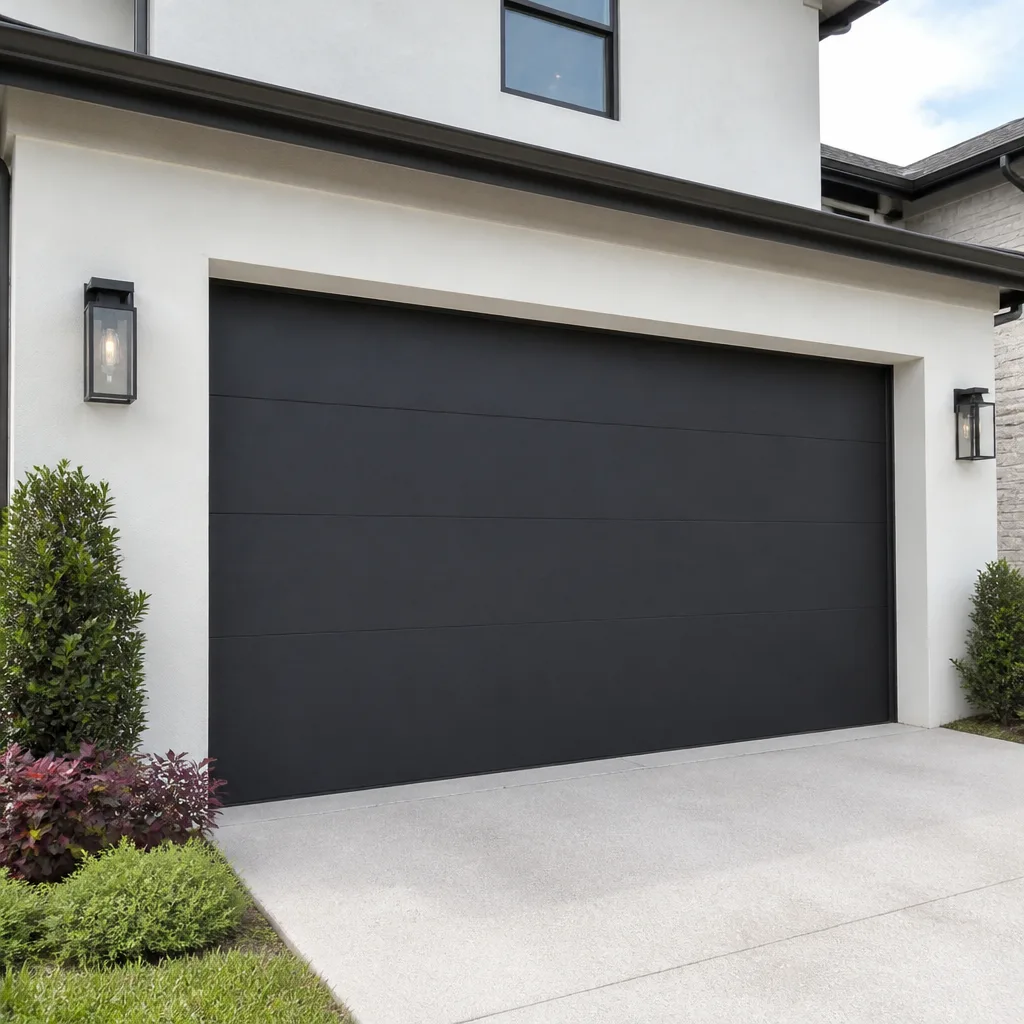 Modern flush
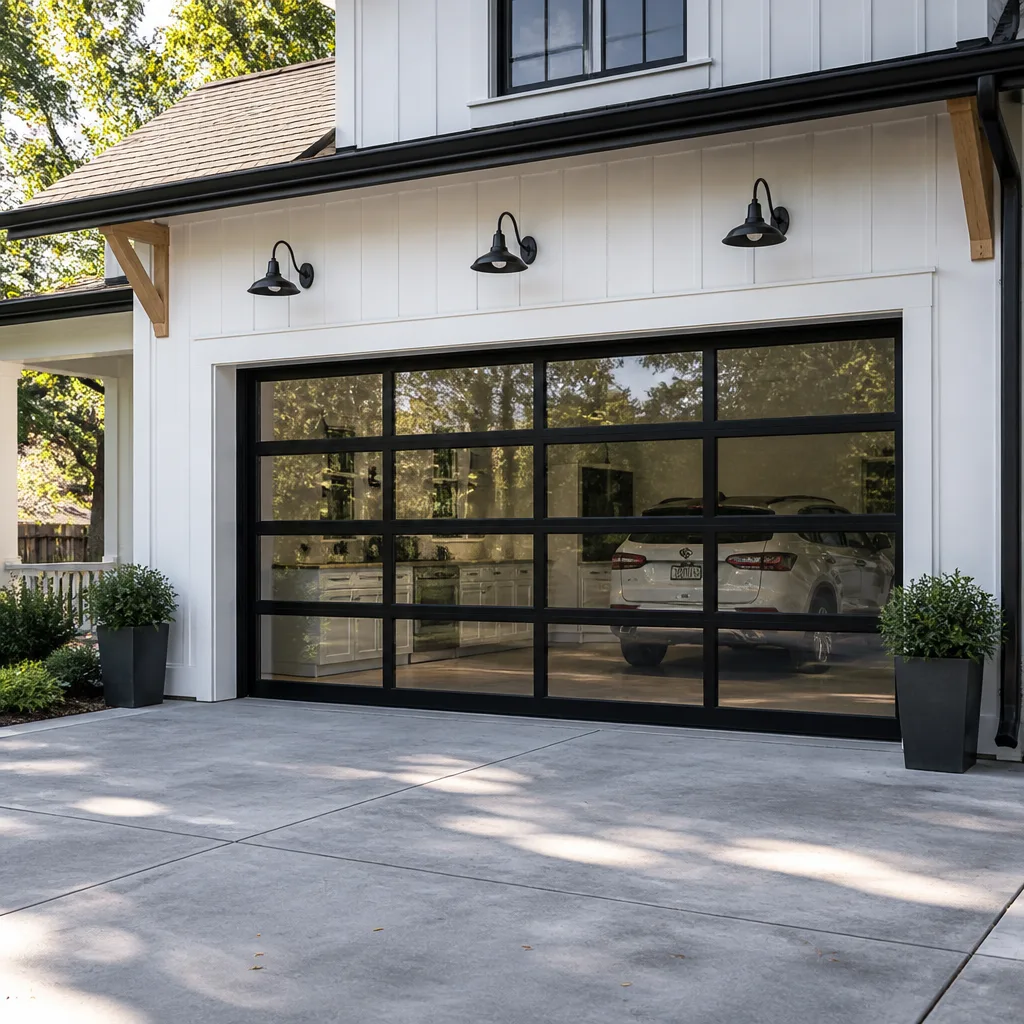 Full-view glass
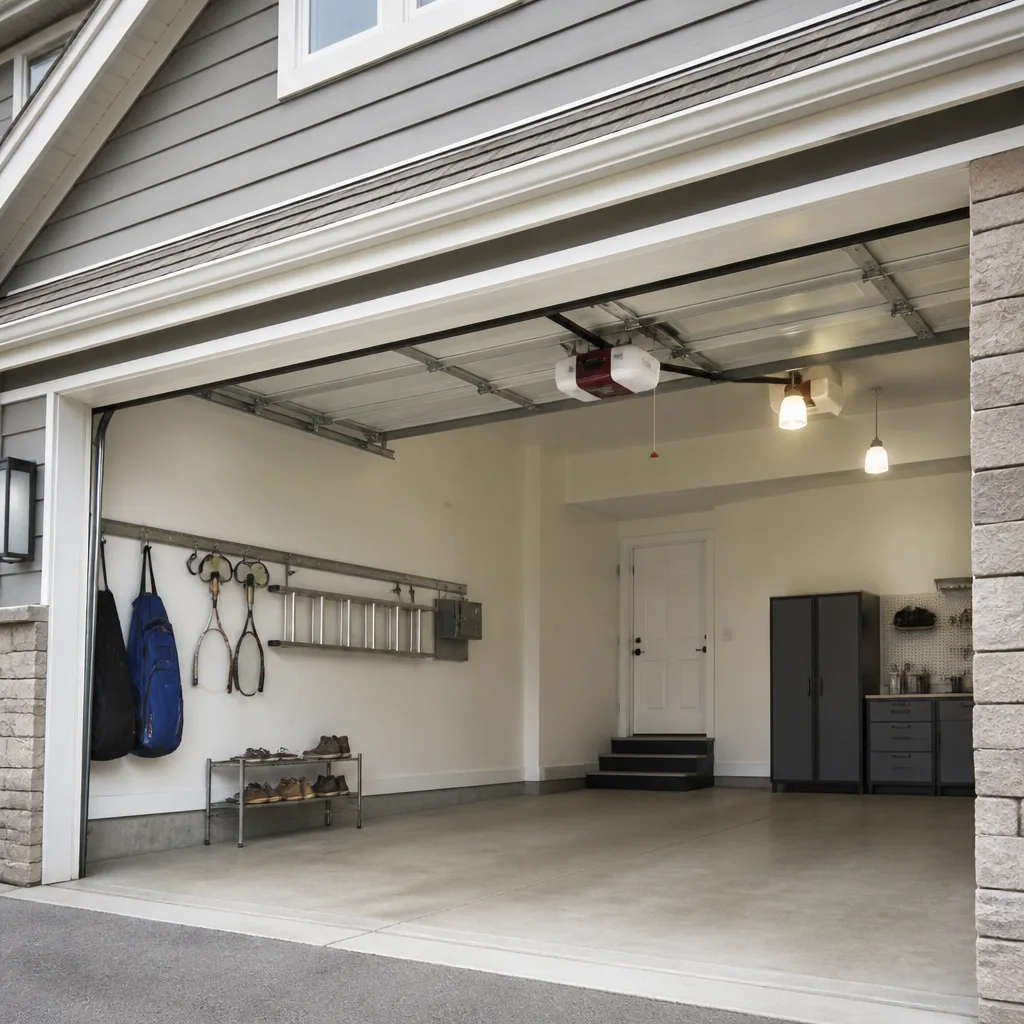 LiftMaster openers
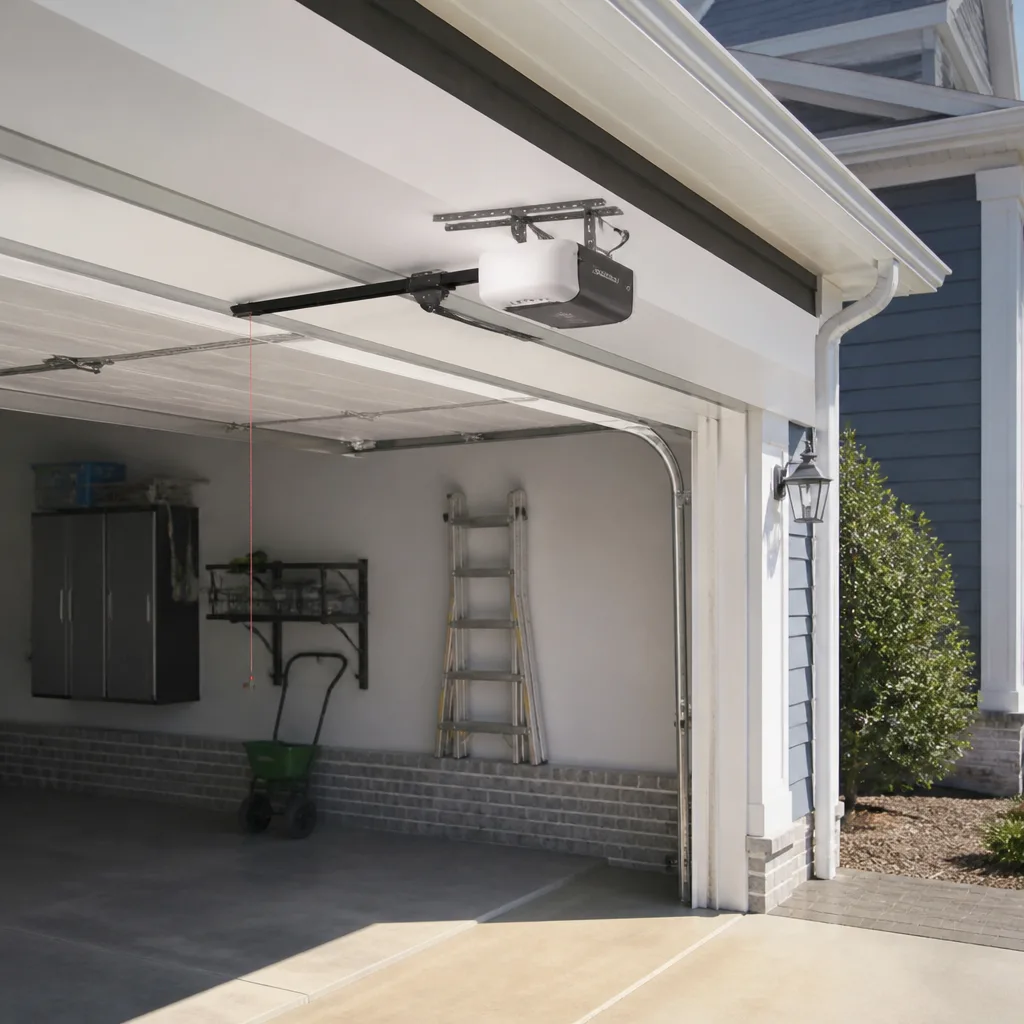 Chamberlain openers
Full 25-point door and opener safety check with every visit - springs, cables, rollers, tracks, and your LiftMaster or Chamberlain opener included
You get a price before we start. It does not change when the pro arrives.
Get your free estimateSeasonal Garage Door Care for League City: Year-Round Homeowner’s Guide
League City doesn’t get four clean seasons. It gets hurricane prep season, a long punishing summer, a brief fall reset, and a short January freeze window that most homeowners ignore because it “doesn’t get that cold here.” That last assumption is the expensive one. The freeze events that roll through the Gulf Coast every few years catch garages wide open, and the damage shows up days later in snapped springs and sensors that won’t trigger. This guide walks through what to actually check in League City, season by season, so your door keeps working through all of it.
Quick Answer
Seasonal garage door care in League City means four distinct checkpoints: pre-hurricane prep before storm season, heat protection for your opener in summer, a fall reset to undo months of humidity damage, and freeze prep in January even though winters here are mild. Each checkpoint takes about 15 to 30 minutes of inspection. Skipping any one of them is how a $150 adjustment turns into a spring replacement and an opener board replacement later.
Styles & brands we work with
- Raised-panel steel
- Carriage house
- Modern flush
- Full-view glass
- LiftMaster openers
- Chamberlain openers
Table of Contents
- Why League City Garage Doors Need a Different Schedule
- Pre-Hurricane Season Checklist
- Summer Heat Protocol: Protecting Your Opener
- Fall Reset: Undoing Summer Humidity Damage
- January Freeze Prep Most League City Homeowners Skip
- After the Storm: What to Check First
- The Monthly Two-Minute Check
- Common Mistakes to Avoid
Why League City Garage Doors Need a Different Schedule
The advice you find online about seasonal garage door maintenance was mostly written for places with real winters. It talks about lubrication schedules tied to freeze-thaw cycles and stress on doors from ice buildup. None of that applies on the Texas Gulf Coast. What applies here is a different set of pressures: months of high humidity, a summer that pushes attic temperatures past 100°F for weeks, hurricane season running from June through November, and the occasional hard freeze that arrives with almost no warning.
Most homes in League City have attached garages, and many of those garages share a wall or ceiling plane with conditioned living space. That matters. Heat that builds in the garage has somewhere to go, and moisture that sits against the bottom seal or door panels has time to work its way into wood framing and metal fasteners. A door that would last 20 years in a drier climate can show rust, sagging panels, and hinge wear faster in League City’s humidity cycle.
The good news is that a little attention at the right times of year handles almost all of it. The schedule below is built around how League City weather actually behaves, not the generic four-season advice you’ll find on most manufacturer sites. Neighborhoods from Clear Lake to the western edge of town deal with the same conditions, though homes with garages facing west take more afternoon heat than those tucked behind shade trees.
If a door is already past the point where seasonal maintenance will help, the answer is a technician visit. You can find the full scope of what that covers through garage door repair, including panel replacement, track alignment, and hinge work.
Pre-Hurricane Season Checklist
Hurricane season on the Texas coast runs June 1 through November 30, and the prep window that matters most is the stretch before the first named storm forms in the Gulf. That’s when you check the things you’ll wish you’d checked when a storm is 48 hours out and every hardware store in League City is sold out of brackets. A garage door is one of the largest openings in any home, and wind pressure against it transfers straight into the tracks, hinges, and framing.
Work through this list in late May or early June:
- Inspect the vertical tracks and jamb brackets. Look for loose lag screws, rust around fasteners, and any gap between the track and the wall. Tracks that shift under normal use will flex much more under wind load.
- Check wind bracing if your door has it. Many Florida-rated and coastal-rated doors ship with horizontal or diagonal reinforcement struts. Confirm the struts are tight and the bolts haven’t backed out. If your door has no bracing and you live in a wind-prone area, ask a technician whether retrofit bracing is available for your specific door model.
- Test the bottom seal for integrity. Run your hand along the bottom edge. Any gap, tear, or hardened seal lets wind-driven rain straight into the garage. A failing seal also lets water pool against the bottom panel, which is where rust starts.
- Test the manual release before you need it. Pull the red release cord and confirm the door moves freely by hand. Re-engage it and test the opener again. In a power outage, the manual release is the only way to get a car out, and homeowners who’ve never used it often find it seized or the door too heavy to lift.
- Clear the area around the door and tracks. Stored items leaning against tracks or blocking the photo-eye sensors become projectiles or sensor obstructions during a storm.
This prep takes maybe 30 minutes. In our experience, the items that fail most often are the bottom seal and the manual release, both of which are simple fixes if you catch them in June and serious problems if you discover them in a blackout
If the manual release won’t engage, or the door is too heavy to lift by hand, that’s usually a spring problem, and garage door spring repair is the fix to schedule well before storm season.
Summer Heat Protocol: Protecting Your Opener
Summer in League City means weeks of 95°F-plus days, and in an attached garage with no ventilation, the air near the ceiling regularly climbs past 100°F. That’s the temperature the opener motor is sitting in every afternoon, and it’s worth understanding what that heat does.
Opener circuit boards and capacitors are the parts most sensitive to sustained heat. The board inside a LiftMaster or Chamberlain unit is designed for a range, and when a closed, unventilated garage sits above that range for hours every day, small electronic faults start to show: opener responds intermittently, remotes lose range, safety sensors need adjusting, or the motor shuts off mid-cycle and recovers a few minutes later. Those symptoms are often heat-related rather than a failed component.
What you can do about it:
- Ventilation first. If your garage has a vented door panel or gable vent, make sure it isn’t blocked. Adding a small vent (a technician or HVAC contractor can advise on placement) drops peak temperatures noticeably.
- Keep the ceiling clear. Boxes stacked to the rafters trap heat against the ceiling where the opener is mounted.
- Lubricate every moving part in early summer. Heat thins lubricant faster, and dry hinges and rollers load the motor. Use a garage-door-rated lubricant on hinges, rollers, and the torsion or extension spring hardware.
- Watch for heat-related false safety-sensor trips. If the door reverses randomly on hot afternoons and works fine in the morning, suspect the sunlight hitting one sensor or wiring that’s softened in the heat.
If symptoms persist after the weather breaks, the opener likely needs attention. Our technicians have up to 15 years of experience diagnosing this exact family of failures, and garage door opener repair covers everything from circuit board replacement to safety sensor alignment.
Fall Reset: Undoing Summer Humidity Damage
October and November in League City are the reset window. The heat is off, the humidity drops a notch, and you have a few weeks before real cold air arrives to fix anything the summer loosened, warped, or rusted. This is the most important maintenance window of the year in this climate, and most homeowners skip it.
What to check during the fall reset:
- Door balance. Disconnect the opener (pull the manual release) and lift the door halfway. It should stay put. If it drops, the springs are losing tension and need adjustment or replacement.
- Panel condition. Walk along the inside of the door. Rust streaks, bubbling paint, and delaminating panels are common after a long humid summer. Clopay, Amarr, and Wayne Dalton doors all show different wear patterns, so it helps to know your model when panel damage needs repair.
- Weatherstripping and bottom seal. Summer heat hardens rubber seals; fall is the time to replace them before the door starts letting in cold drafts.
- Fasteners and tension. Check bolts on hinges and the operator arm. Humidity causes small shifts that loosen hardware over a season.
- Opener test. Run the door through three full cycles and watch for hesitation, grinding, or uneven travel. Note any changes for the technician.
The fall reset also catches track Misalignment from foundation settling. If the door rubs or the tracks look bowed, don’t adjust the tracks yourself. A misaligned track can drop the door, and track adjustment is a technician job that takes 15 minutes with the right tools.
January Freeze Prep Most League City Homeowners Skip
League City averages fewer than 20 frost days a year. That’s why almost everybody skips winter garage door prep. And then a February freeze event like 2021 rolls through, temperatures drop into the teens for 48 hours, and the phone calls start: springs that snapped overnight, sensors that lost calibration, doors that wouldn’t open. Fewer than 20 frost days a year doesn’t mean zero, and the rare hard freeze does the damage of a whole winter in one week.
What to do before the first serious cold snap (usually late December or January):
- Lubricate everything again. Spring hardware, hinges, rollers, and lock cylinders. Cold stiffens lubricant, and dry moving parts snap or seize in a freeze.
- Check the door seal and weatherstripping for gaps. Cold air finding a gap stresses the bottom panel and stresses the opener as it works harder.
- Inspect the springs under tension. Look for gaps in the coil, color fading, or rust on the springs. Springs near the end of their life are the ones that fail on the coldest morning, and this is the part of the door system where a hands-off approach is the right one. A tensioned torsion spring stores real force, and adjusting or replacing one without the proper tools is a serious injury risk. Leave spring work to a trained technician.
- Test the opener at full speed on a cold morning. Run the door up and down before the cold weather arrives. If anything feels slower or sounds off, get it checked.
- Know where the manual release is and confirm it works. If the power fails during a freeze, you want to have practiced the release before you need it.
If the door is heavy when you release it manually in January, or the springs look worn, don’t wait for the freeze. Call and get the springs inspected while it’s still warm enough for a technician to work comfortably.
After the Storm: What to Check First
Once a named storm clears the area, the order you check your garage door matters. Don’t run the opener before you’ve looked, because activating a door with debris in the tracks or damage from wind load can make things worse. Work through it in this order:
- Look up and around. Check the ceiling for water intrusion, and look for debris that came through a vent or a gap. Water on the opener or wiring means don’t energize it.
- Check the tracks from the outside. Wind pressure can bow tracks inward or push them out of alignment. If the rollers are out of the track, stop and call a professional.
- Inspect the panels. Look for dents, cracks, or panels that have shifted out of line. Damaged panels transfer load poorly and can drop the door suddenly.
- Test the balance by hand before you engage the opener. Disconnect the opener, lift the door a few feet, and lower it slowly. If it drops or won’t stay lifted, the springs or cables need service.
- Check the bottom seal and frame for water damage. If water pooled inside, dry it out before any electrical component gets power.
- Reset the opener and test the safety sensors. Once the door checks out, re-engage the opener and run one full cycle with an obstruction test on the sensors.
If anything surprises you during the check, whether it’s a door that won’t stay balanced or a track that’s bowed, call, don’t wait. A door that’s off its tracks is a safety risk before it’s a convenience problem. You can read more about what to expect from the team across all services through League City Garage Door Repair Pros.
The Monthly Two-Minute Check
Beyond the four seasonal checkpoints, a quick monthly routine catches small problems before they turn into big ones. Two minutes a month does most of it:
- Push the safety sensors out of alignment on purpose and confirm the door reverses. Check this every month; it’s the one safety feature that fails silently.
- Listen to the opener for new grinding, clanking, or hesitation.
- Look at the tracks for debris or visible bend.
- Feel the bottom seal by hand for hardening or gaps.
- Check the wall-mounted button and both remotes still work.
It doesn’t sound like much, but it’s how small fixes stay small. League City humidity and heat are hard on moving parts, and the homeowner who notices a hardened seal in July avoids a rusted panel in November.
Common Mistakes to Avoid
- Skipping winter prep because “it doesn’t get that cold here.” Fewer than 20 frost days still includes the few that matter. A single hard freeze in League City can crack springs, harden seals, and disable sensors in one night.
- Spraying WD-40 or motor oil on the tracks. Tracks aren’t supposed to be lubricated. Oil attracts grit, and grit wears out the rollers faster than a dry track ever would. Lubricate hinges, rollers, and spring hardware, not the tracks themselves.
- Ignoring the bottom seal until hurricane season. The seal is the first line of defense against wind-driven rain. A hardened, cracked seal lets water straight into the garage and starts the rust clock on the bottom panel. Replace it in the fall so it’s ready for storm season.
- Adjusting a torsion spring without the right training. Springs are under tension and can cause serious injury. A trained technician has the winding bars, the right tools, and the experience to work safely. This is one of those jobs where the DIY cost can be a visit to the emergency room.
- Running the opener after a storm before you’ve checked for damage. Activating a door with debris in the tracks or damaged panels can cause the door to fall or the motor to burn out.
- Letting the opener run hot all summer with no ventilation. A closed, unventilated garage with 100°F-plus attic heat is hard on circuit boards and capacitors. Add a vent if you don’t have one, and don’t stack boxes against the ceiling where the opener is mounted.
- Waiting for a noise to become a breakdown. A grinding or squealing door is telling you something. A hinge or roller replacement done in October is a 20-minute job; a snapped cable in August is an emergency repair.
See the difference
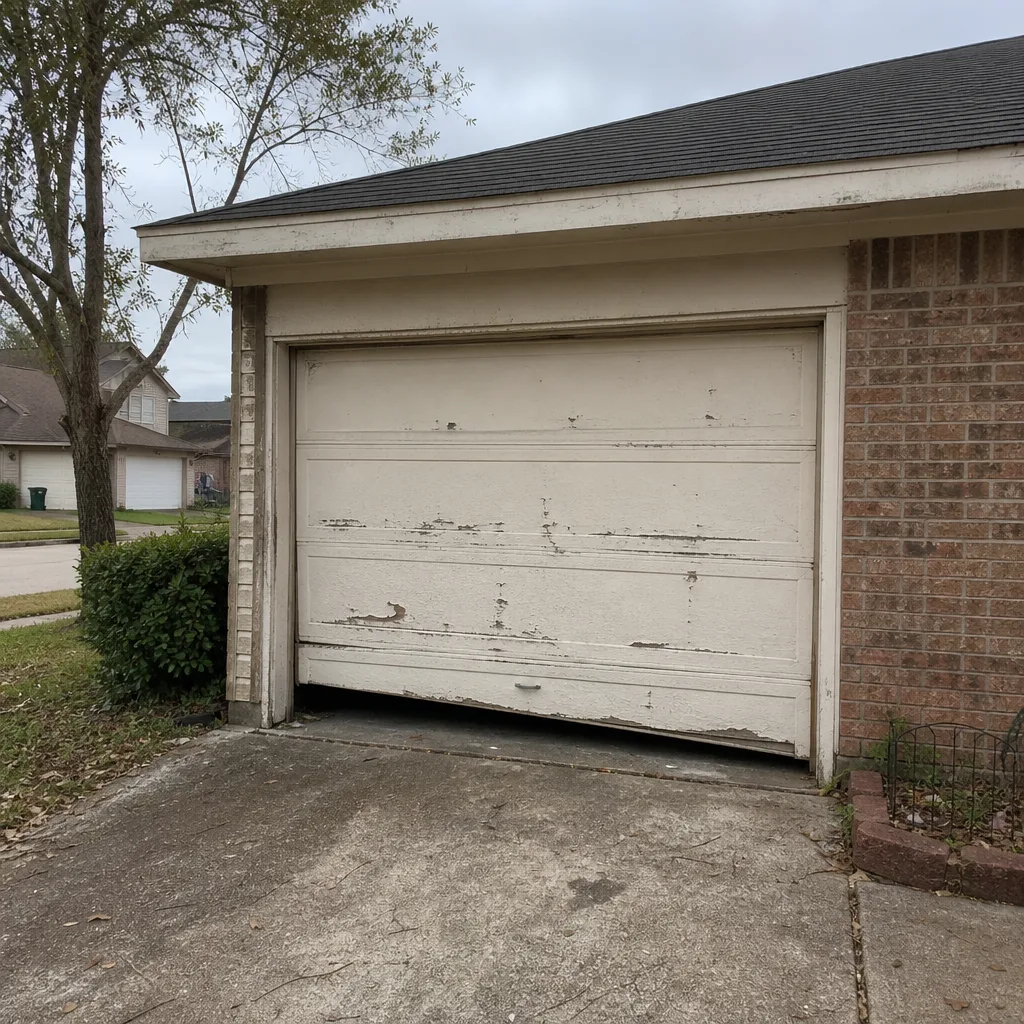 Before
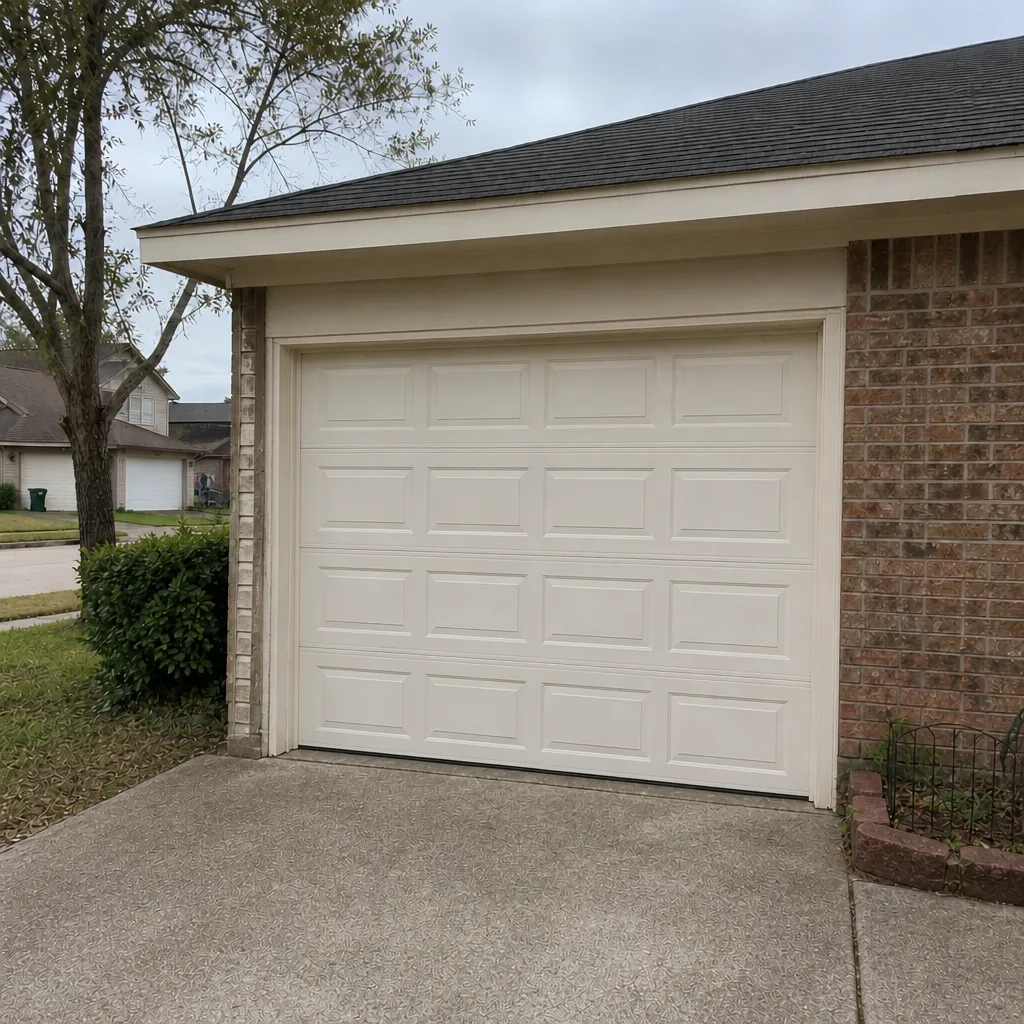 After
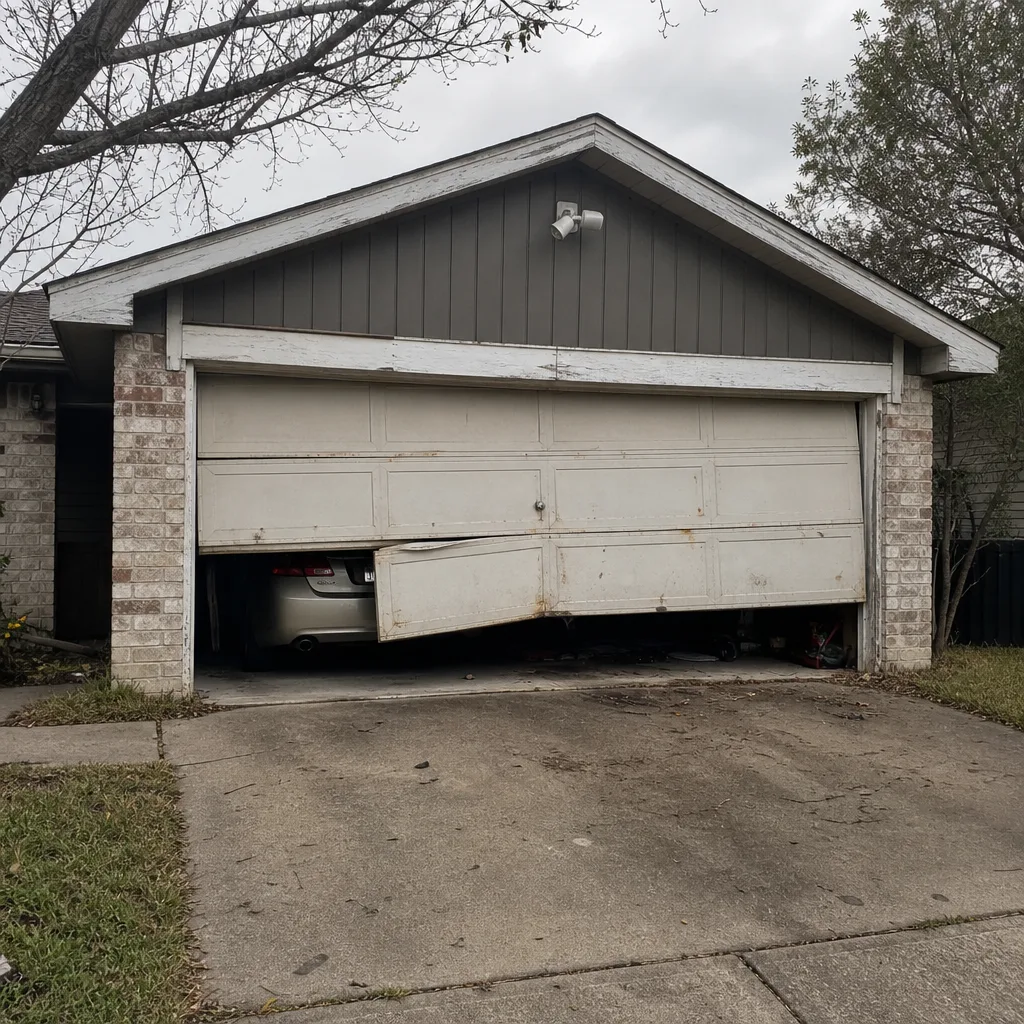 Before
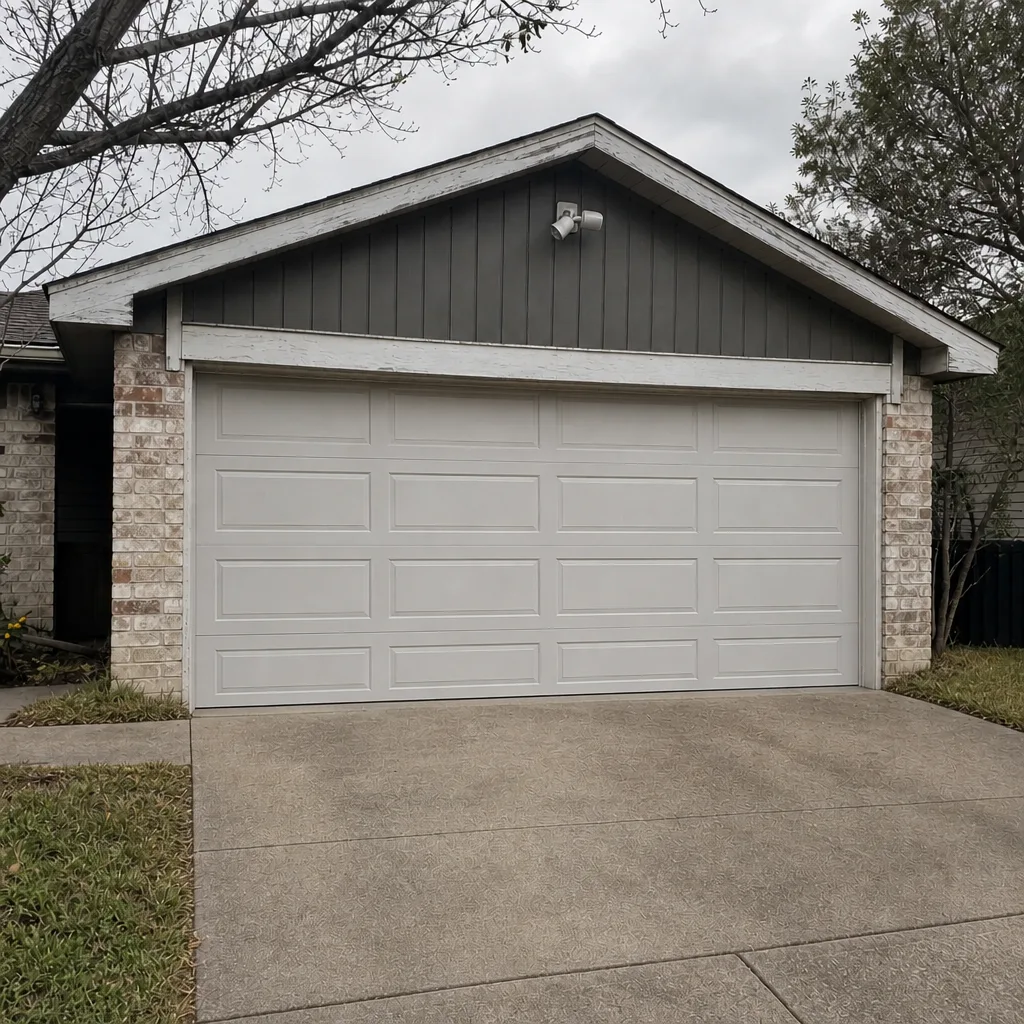 After
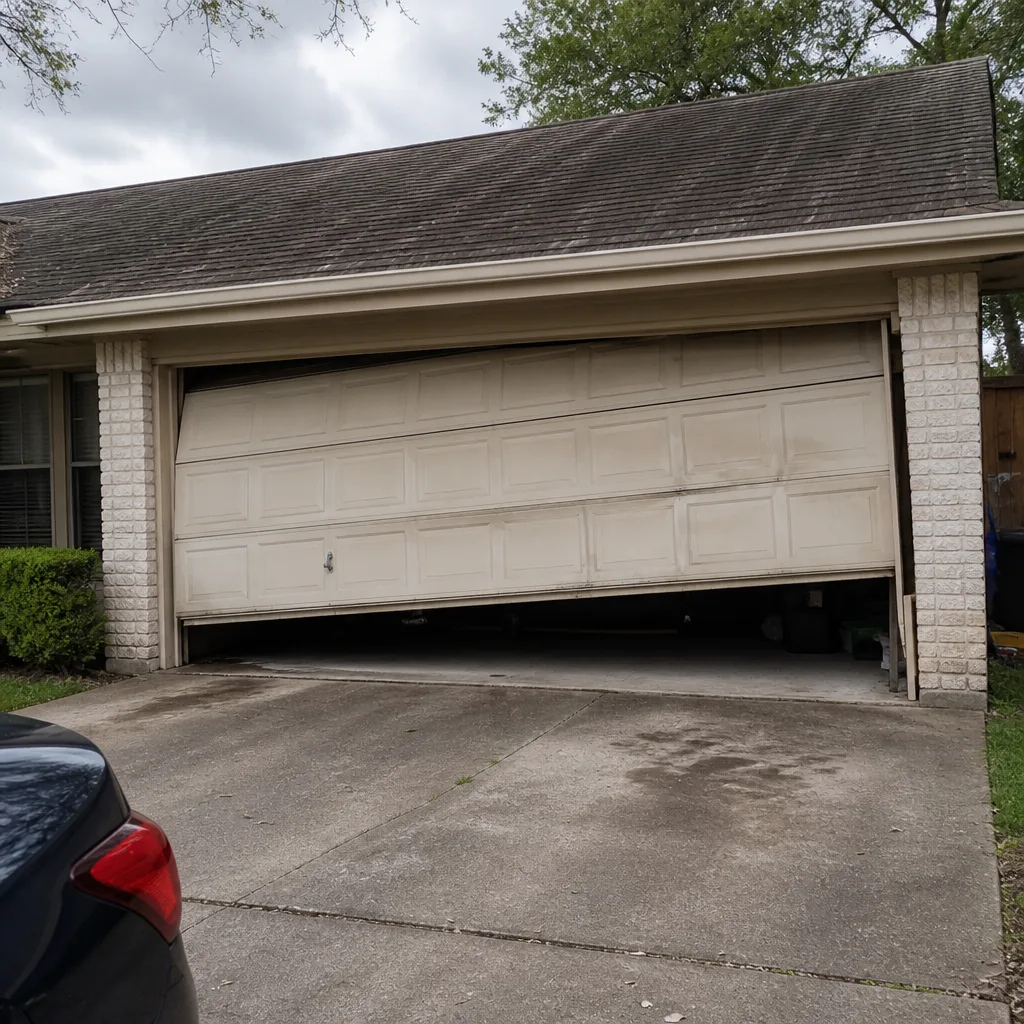 Before
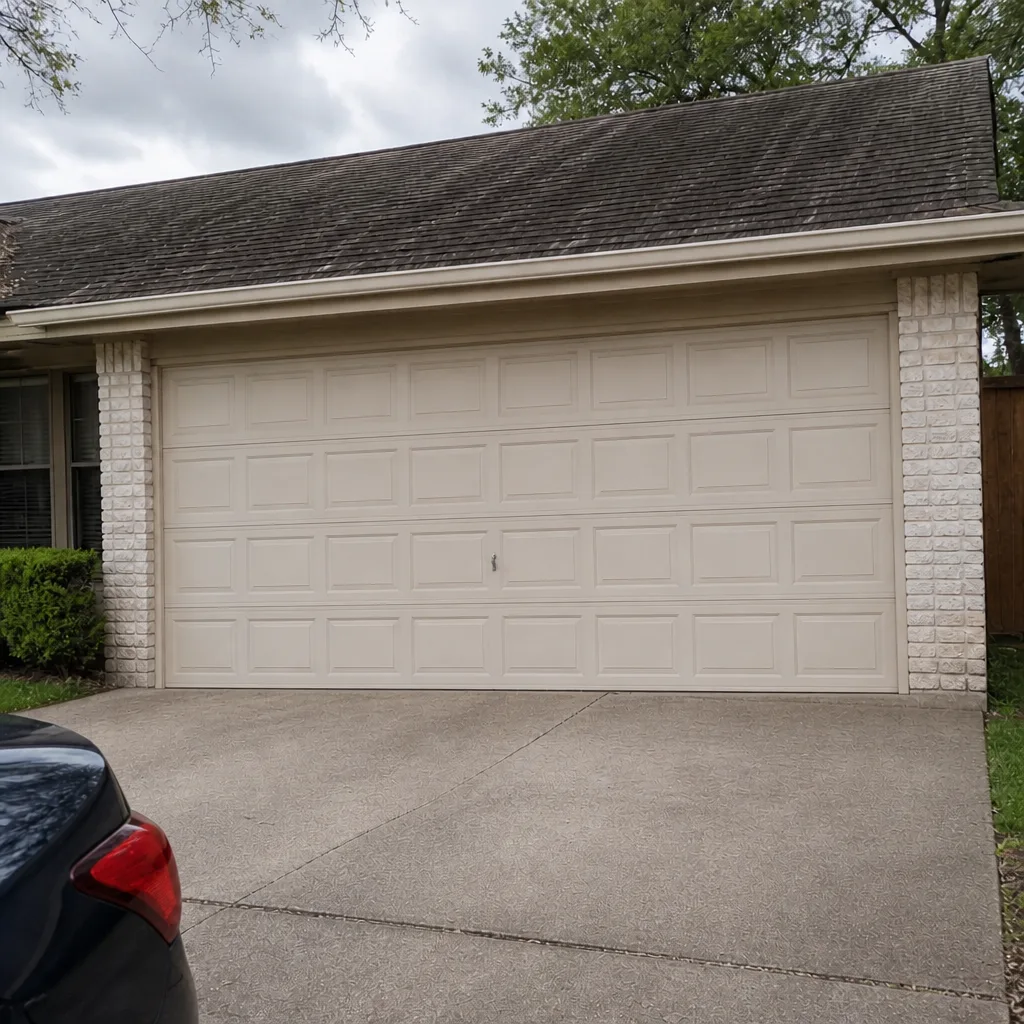 After
When to Call a Professional
Some garage door problems are seasonal maintenance items. Others aren’t. Call a professional if your door won’t stay open or closed, comes off its tracks, makes grinding or squealing sounds that don’t stop after lubrication, has springs with visible gaps or rust, or if you’ve had a hard freeze or storm pass through and something changed. Those are the signs that a professional diagnosis is worth it before the problem gets bigger. Safety sensor failures that don’t clear after a reset and openers that trip the breaker also warrant a visit. In League City, League City Garage Door Repair Pros offers free estimates in League City. Call (866) 651-6896. We answer 24/7. Fast dispatch from 7am to 7pm, Sunday through Friday.
Frequently Asked Questions
Twice a year minimum, with a light monthly check. The two important visits are early summer (before storm season and summer heat) and late fall (to undo humidity damage and prep for the rare freeze). A monthly two-minute check catches small issues between visits. Doors in west-facing garages that take the most afternoon heat tend to need more frequent lubrication.
Late fall, before hurricane season and before the rare January cold snap. Fall installation means the new seal has had weeks to settle before the first real rain event, and you’re not doing it in July heat when rubber hardens faster. If you find a failing seal in the spring, replace it then; don’t put it off to the “right” season.
Yes, specifically the circuit board and capacitors. When the air around a closed, unventilated garage tops 100°F for hours a day, electronic components inside a LiftMaster, Chamberlain, or Genie opener can develop faults that show up as intermittent operation, reduced remote range, or false safety-sensor trips. Ventilation and keeping the ceiling clear are the simplest protections.
Don’t run the opener until you’ve visually inspected the tracks, panels, and bottom seal. Check the balance by hand with the opener disconnected. Look for water inside the garage and on the opener housing. If the door is off its tracks or won’t stay balanced, call a professional before you try to operate it.
You can visually check them: look for gaps in the coil, rust, or color fading. You should not adjust or replace them yourself. A tensioned torsion spring stores enough force to cause serious injury, and the tools and technique required aren’t in most homeowners’ garages. A trained technician has the equipment to do the job safely. You can call (866) 651-6896 for a free estimate on spring inspection or replacement.
The manual release. Pull the red cord, lift the door by hand, and confirm it moves freely. In a power outage during a freeze, the manual release is the only way to get a car out of the garage, and homeowners who’ve never used it often find it seized or discover the door is too heavy to lift. If it’s too heavy, that points to a spring issue that should be handled before the freeze.
The Bottom Line
League City doesn’t have four seasons, and the maintenance schedule shouldn’t pretend it does. Prep for hurricane season in late spring, protect the opener through the summer heat, use the fall reset to fix what the humidity loosened, and don’t skip freeze prep in January just because frost days are rare. The monthly two-minute check ties it together. Springs, openers, tracks, and seals all wear faster in Gulf Coast conditions, and the homeowner who does a small amount at the right time avoids the emergency repair at the wrong one. When something needs a professional eye, whether it’s spring work, opener diagnostics, or a full installation, we’re here to help.
Call (866) 651-6896 for a free estimate. We answer 24/7. Fast dispatch from 7am to 7pm, Sunday through Friday. The price is quoted and agreed before any work starts, so you’ll know the number before we do anything.
Written by the team at League City Garage Door Repair Pros.